Endangered species show signs of population recovery after decades of conservation efforts
You have probably noticed reports about certain wildlife populations turning a corner after years of decline. Decades of targeted conservation work—protecting habitats, reducing threats like poaching and harmful chemicals, and sometimes reintroducing animals—have started to pay off for several species once considered on the edge. These recoveries do not mean the work is finished. Many animals still face ongoing pressures from climate shifts, habitat fragmentation, and human activity. Yet the gains offer a reminder that sustained, coordinated action across governments, scientists, and local communities can shift outcomes in meaningful ways.
The headline captures a broader pattern visible in recent assessments from groups tracking global biodiversity. Species that received long-term legal protections and habitat management show measurable increases in numbers. You see this in both well-known icons and lesser-known creatures. The patterns hold across continents and ecosystems, from oceans to mountains to forests. What stands out is the consistency: when threats are addressed over multiple decades, populations often respond.
The Role of Legal Protections and Habitat Safeguards
You benefit when laws limit activities that once pushed species toward disappearance. Bans on certain pesticides, for instance, allowed birds of prey to rebuild nesting success rates that had crashed. Protected areas gave animals space to breed without constant disturbance. In practice, these measures create breathing room for slow-reproducing species that need stable conditions over generations.
Communities and agencies monitor nesting sites, track movements with technology, and adjust rules as data comes in. The result appears in higher survival rates for young and more adults reaching breeding age. You notice these changes gradually—more sightings in places where animals had become rare. The approach relies on patience and steady enforcement rather than quick fixes.
Green Sea Turtles and Marine Recovery Patterns
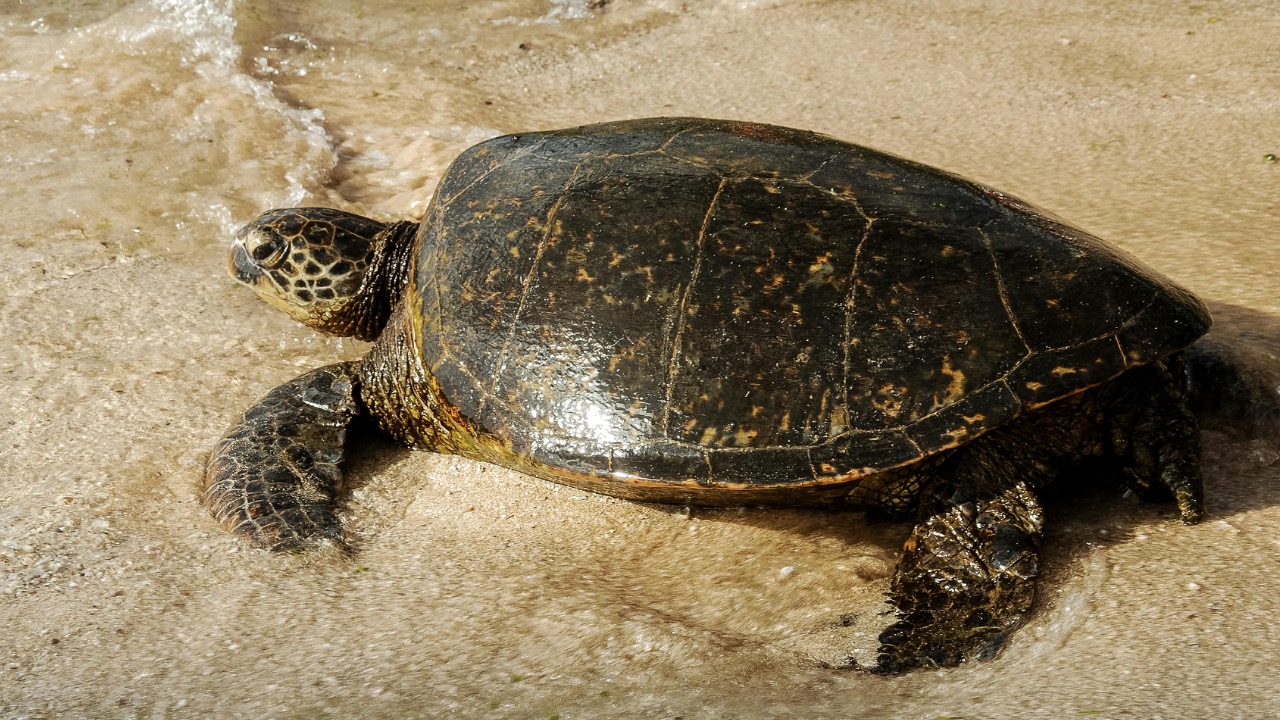
Green sea turtles once declined sharply from bycatch in fishing gear, loss of nesting beaches, and other pressures. In recent years, several populations have shown clear growth after beach protections, reduced harvesting, and international agreements limited threats at sea. Nest counts in key regions have risen substantially compared with lows from earlier decades.
You can connect these gains to coordinated efforts that span countries and focus on the full life cycle—from eggs on shore to adults in ocean waters. Scientists track nesting females and use tagging to understand migration routes. The increases demonstrate how addressing multiple stressors at once, over long periods, can stabilize numbers even for long-lived marine species that take years to mature.
Bald Eagles and the Impact of Chemical Controls
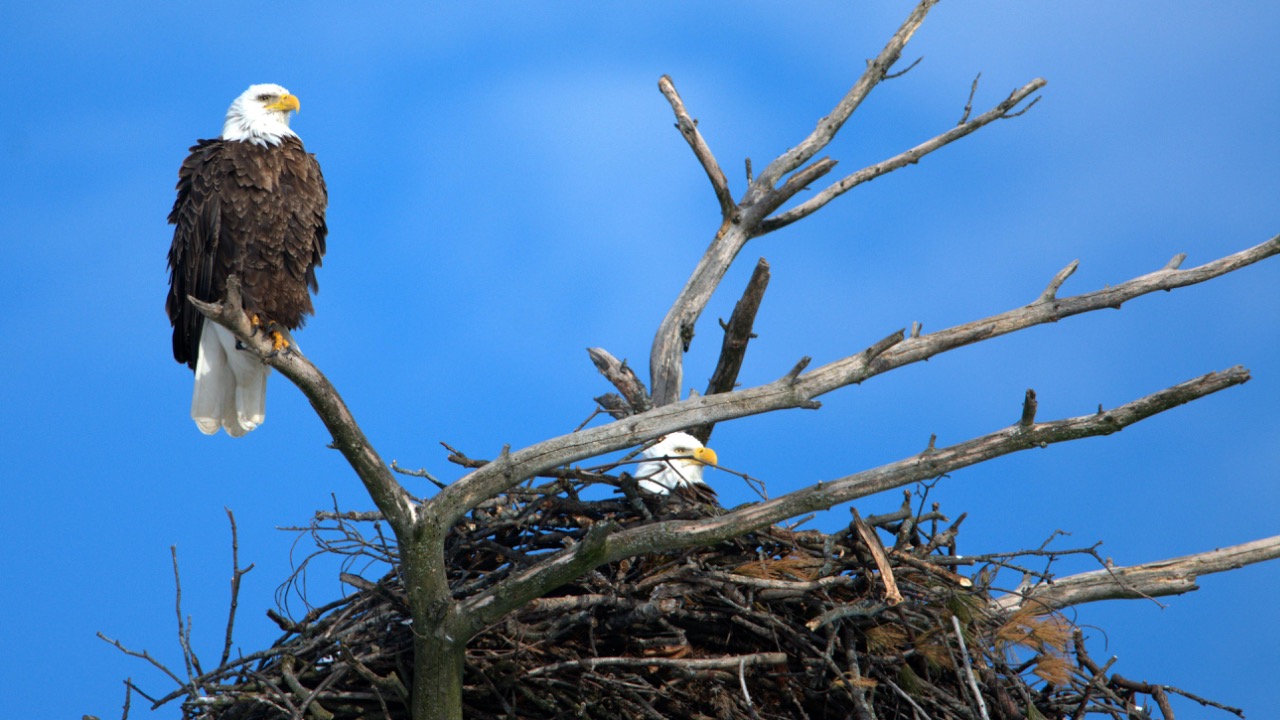
Bald eagles dropped to very low numbers in parts of North America largely because of widespread pesticide use that thinned eggshells and reduced hatching success. After restrictions on those chemicals took hold, combined with hunting limits and nest site protections, counts began climbing. Breeding pairs now appear in many areas where they had vanished for years.
You see the recovery reflected in expanded ranges and higher productivity at nests. Monitoring programs document the return through regular surveys and public sightings. The story highlights how removing a single major threat, while maintaining habitat safeguards, can allow a species to reclaim territory. It also shows the value of ongoing oversight to catch any new pressures early.
Mountain Gorillas and Community-Based Efforts
Mountain gorilla groups in central Africa once numbered only in the low hundreds amid habitat loss and poaching risks. Dedicated protection of forest areas, along with anti-poaching patrols and veterinary support, helped numbers edge upward. Recent counts put the population over a thousand individuals across key sites.
You notice how involving nearby communities in monitoring and tourism management contributes to stability. Rangers track groups daily, and health checks help manage disease risks. The gradual increase reflects years of consistent presence on the ground and adaptive responses to challenges like human-wildlife overlap. It underscores the importance of local buy-in for species that live in shared landscapes.
Black Rhinos and Anti-Poaching Measures
Certain black rhino subpopulations faced steep losses from illegal hunting driven by demand for horns. Targeted security operations, community engagement, and careful population management in protected zones have allowed some groups to grow. Numbers in specific areas have risen from earlier lows, leading to status adjustments in assessments.
You see progress through better surveillance, stronger law enforcement coordination, and efforts to reduce incentives for poaching. Translocation programs sometimes move animals to safer sites to build new populations. These steps require sustained funding and cooperation across borders. The partial recoveries illustrate that focused threat reduction can reverse declines when applied consistently over time.
Giant Pandas and Habitat Restoration Work
Giant pandas in China declined as forests fragmented and suitable bamboo areas shrank. Large-scale planting of native vegetation, creation of connected reserves, and strict controls on human encroachment have supported steady population growth. Wild numbers have increased enough for the species to move out of the highest threat category in global listings.
You observe the benefits in expanded occupied range and more breeding records. Research teams conduct regular surveys using camera traps and field signs to map distribution. The work combines ecological restoration with policies that balance human needs in surrounding areas. It offers an example of how restoring the plant base of an ecosystem can lift the animals that depend on it.
Humpback Whales and International Hunting Limits
Humpback whale populations crashed under commercial whaling pressure in past centuries. Global agreements to halt most hunting, paired with protections for feeding and breeding grounds, allowed numbers to rebuild in several ocean basins. Sightings along traditional migration routes have become more common again.
You track these changes through acoustic monitoring and ship-based surveys that record group sizes and behaviors. The recovery varies by region but shows clear upward trends where protections remain in place. It demonstrates the scale at which international cooperation can influence highly mobile marine species that cross national waters.
These examples sit alongside many others where similar patterns hold—birds on islands, certain rhinos, and iguanas benefiting from invasive species control and reintroduction programs. The common thread is persistence: decades of data collection, threat mitigation, and habitat work lead to measurable population shifts. You keep perspective by recognizing that not every species recovers at the same pace, and new risks can emerge. Continued monitoring and adaptive management remain essential if the gains are to hold.
The broader picture suggests that when society commits resources and coordinates across scales, wildlife can respond. You play a part by staying informed, supporting evidence-based policies, and recognizing that conservation operates as ongoing work rather than a finished project. The signs of recovery offer practical evidence that targeted, long-term efforts produce results worth building on.

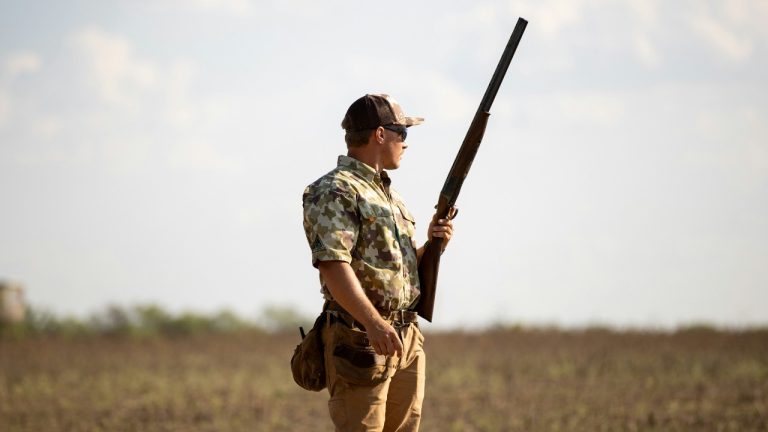
Asher was raised in the woods and on the water, and it shows. He’s logged more hours behind a rifle and under a heavy pack than most men twice his age.