Equipment that makes nights in the woods easier
Spending nights in the woods is part of the deal if you hunt, fish, trap, or just stay out longer than planned. Comfort matters more after dark, when mistakes get bigger and patience runs thinner. Good equipment doesn’t make the woods soft, but it keeps small problems from stacking up. Cold hands, dead batteries, wet gear, or bad sleep can turn a decent trip into a long one. The right tools let you focus on what you’re there for instead of counting hours until daylight. These are pieces of equipment that consistently make nights outside calmer, warmer, and more manageable when the sun drops and the woods settle in.
Headlamps with Real Beam Control
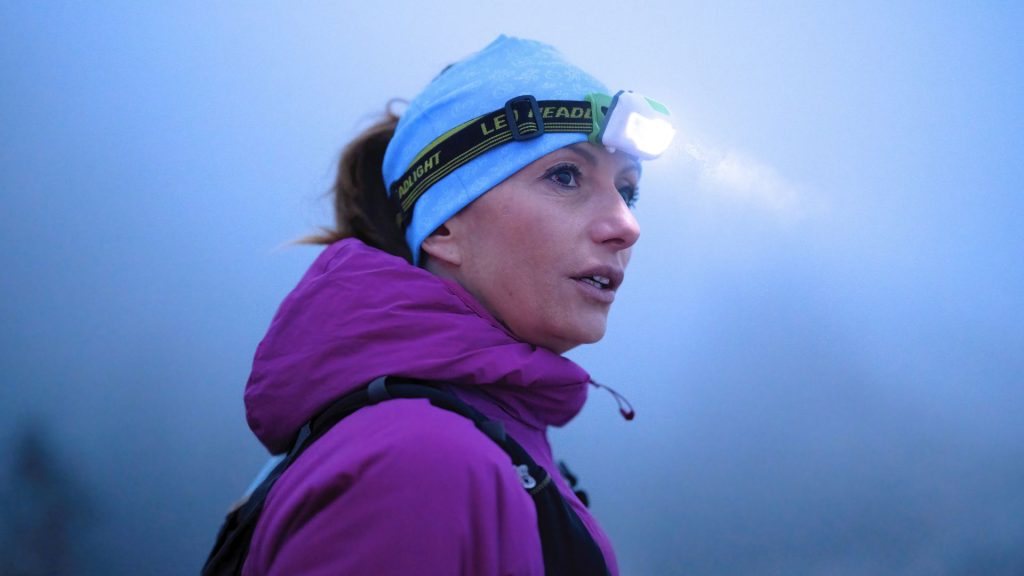
A good headlamp matters more than any handheld light once darkness settles in. You need usable flood for camp chores and a focused beam for trails, blood tracking, or scanning timber. Cheap lights burn through batteries fast and leave you squinting.
Quality headlamps offer adjustable brightness and beam patterns that don’t wash everything out. Red or green modes help preserve night vision without lighting up the whole woods. When your hands are busy tying knots or cooking, dependable light keeps frustration low and mistakes rare.
Insulated Sleeping Pads
Cold ground drains heat faster than cold air. A solid sleeping pad changes how well you sleep, even in mild conditions. Without insulation underneath you, bags lose efficiency no matter how good they are.
Modern insulated pads add warmth without much weight and keep hips and shoulders off roots and rocks. Better sleep means steadier hands, clearer thinking, and less stiffness when you stand up in the dark. That matters more than shaving ounces.
Reliable Camp Stoves
Eating cold food every night gets old fast. A stove that lights easily and burns consistently makes evenings smoother. You want steady heat, not sputtering flames or finicky igniters.
Compact stoves with simple controls handle wind better and heat water faster. Hot meals raise morale, help recovery, and keep you fueled. When temperatures drop, warm food can mean the difference between sleeping well and shivering until dawn.
Warm, Packable Insulation Layers
Night temperatures fall quicker than expected, even in early season. Having a dedicated insulation layer ready keeps you from crawling into a bag already cold.
Synthetic or treated down layers trap heat without bulk and stay warm even if damp. Throwing one on around camp keeps muscles loose and energy steady. Comfort after dark starts with staying warm before you stop moving.
Durable Ground Tarps
A ground tarp does more than protect your tent floor. It creates a clean, dry workspace when gear needs sorting or boots need coming off.
Heavy-duty tarps handle sparks, moisture, and sharp ground better than ultralight fabrics. They give you flexibility when weather turns or camp layout changes. Dry gear and clean space reduce stress and help you rest easier through the night.
Spare Battery Systems
Electronics fail quietly, usually when you need them most. Spare batteries or power banks prevent small problems from becoming serious ones.
Keeping lights, GPS units, and phones powered means you stay oriented and informed. Cold drains batteries fast, so having backups close to your body overnight keeps them usable. Power security adds calm when everything else goes dark.
Comfortable Camp Chairs
Sitting on logs gets uncomfortable fast. A supportive camp chair gives your back a break after long days on your feet.
Good chairs pack small, set up fast, and keep you off cold ground. They make cooking, gear prep, and quiet evenings easier. Comfort encourages rest, and rest pays off the next morning when you’re moving again before daylight.
Weather-Resistant Shelters
Shelter matters more at night than any other time. Wind, rain, and falling temperatures show weaknesses fast.
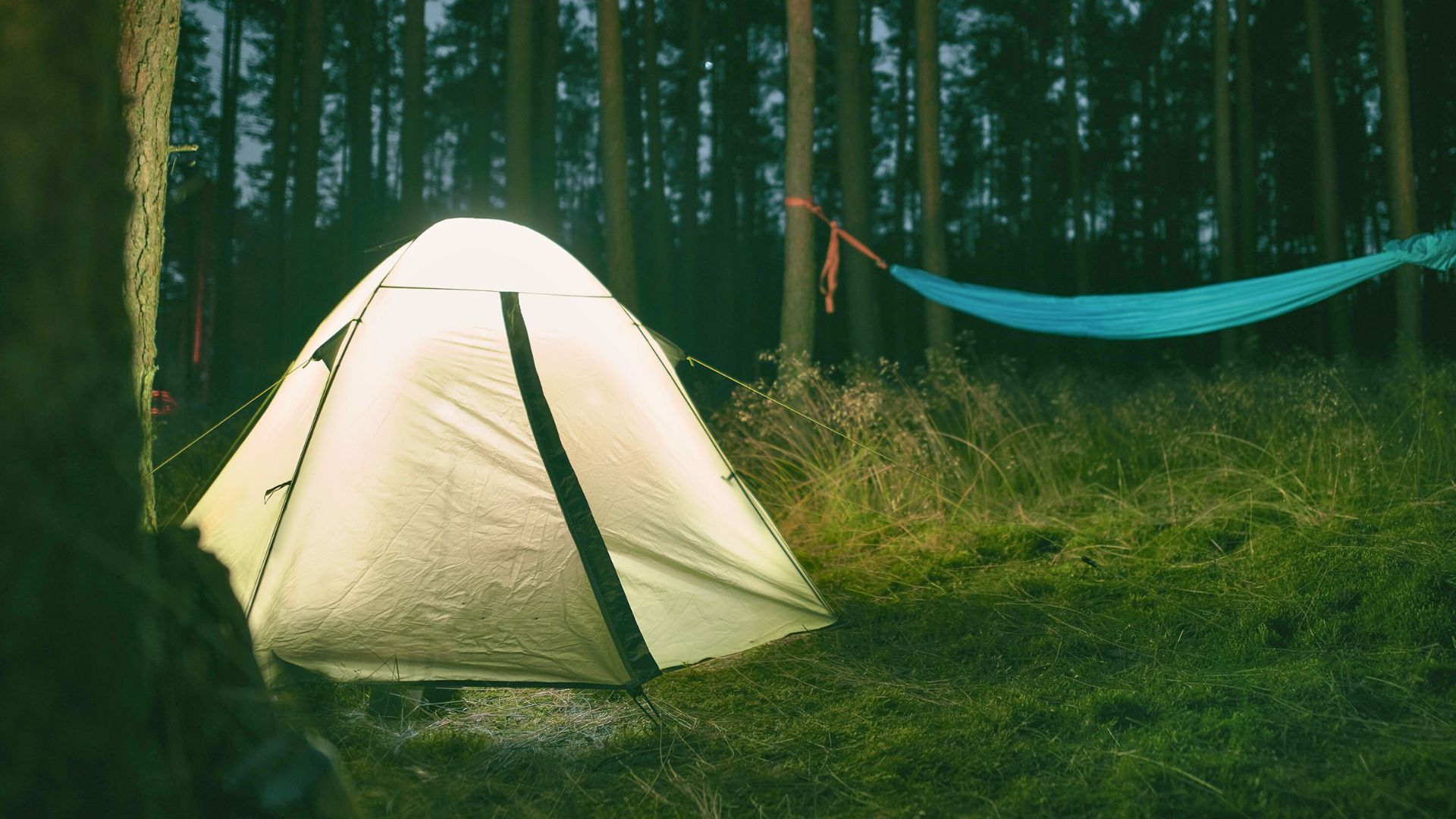
Tents or bivy shelters with solid stitching and proper ventilation prevent condensation and drafts. Staying dry and protected lets you sleep instead of monitoring weather all night. Confidence in shelter makes remote nights feel manageable instead of risky.
Quality Sleeping Bags
A sleeping bag rated honestly for expected conditions keeps you functional. Too light, and you’ll wake cold and tired. Too bulky, and it becomes a burden.
Well-designed bags trap heat evenly and allow movement without cold spots. A good hood and draft collar make noticeable differences. Sleeping well means sharper focus, steadier movement, and better decisions once daylight returns.
Organized Storage Systems
Loose gear creates noise, delays, and frustration after dark. Simple storage keeps essentials where you expect them.
Dry bags, stuff sacks, and zip organizers reduce fumbling in low light. Knowing where headlamps, gloves, and tools live saves time and energy. Order in camp translates to smoother mornings and fewer forgotten items.
Quiet Footwear Options
Boots that work all day aren’t always ideal around camp. Switching to lighter footwear helps feet recover overnight.
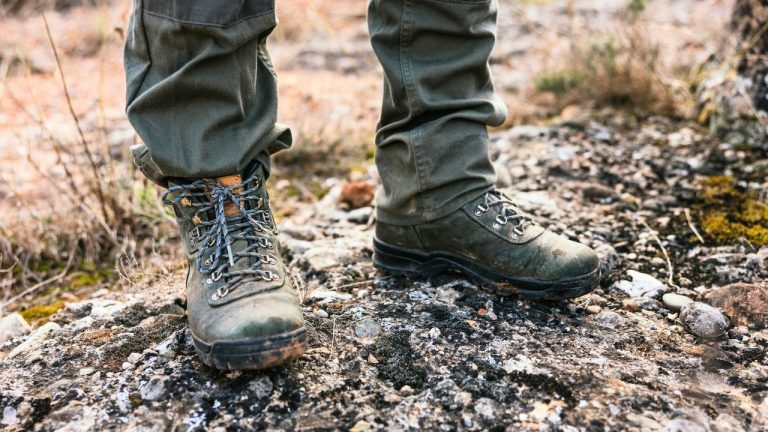
Insulated camp shoes or lightweight boots keep feet warm without stiffness. Moving quietly around camp reduces disturbance and helps maintain awareness. Comfortable feet improve sleep and make early starts less painful.
Fire-Starting Redundancy
Fire brings warmth, light, and reassurance at night. Relying on a single ignition method invites trouble.
Carrying multiple fire-starting tools ensures you can get flames going when conditions turn poor. Reliable fire means warmth, dry gear, and hot drinks. That sense of control settles nerves and makes nights outside feel steady rather than uncertain.

Asher was raised in the woods and on the water, and it shows. He’s logged more hours behind a rifle and under a heavy pack than most men twice his age.