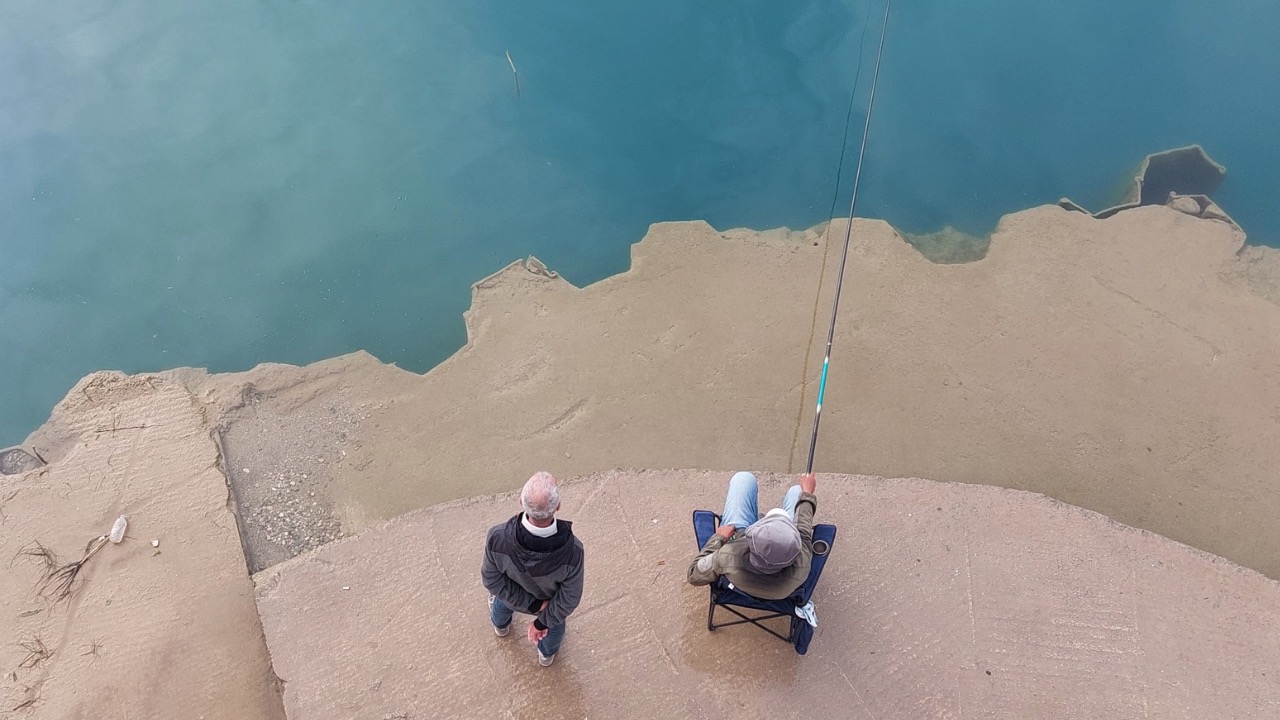
Fact check: Western US officials encourage fishing at reservoirs facing risk of running dry
Western states continue to grapple with persistent drought conditions that strain water supplies and ecosystems. Officials have responded by lifting fishing limits at certain reservoirs projected to lose most or all of their water by late summer. This move aims to let anglers harvest fish that would otherwise perish as levels drop. The approach reflects practical efforts to manage resources amid ongoing dryness rather than any dramatic policy shift.
Officials respond to dropping water levels
State wildlife agencies in places like Colorado and Oregon have authorized emergency measures at specific sites. They recognize that low water combined with high evaporation and reduced inflows creates conditions where fish cannot survive through the season. By removing daily bag limits and size restrictions temporarily, managers give the public a chance to make use of the resource.
These decisions come after monitoring shows reservoirs heading toward critically low stages. Agencies coordinate with water providers to balance human needs, such as municipal supplies, against the fate of stocked fisheries. The result is a targeted salvage effort that prioritizes preventing mass fish die-offs while water remains accessible.
Reservoirs in Colorado face immediate pressure
At Antero Reservoir in Park County, Denver Water plans a deliberate drawdown to move supplies to another storage site with lower evaporation losses. Colorado Parks and Wildlife responded by suspending all bag and possession limits for a set period, encouraging licensed anglers to harvest as many fish as possible before access closes.
Similar actions apply at Nee Noshe Reservoir in southeastern Colorado. There, drought and operational changes mean the water body is unlikely to refill soon. Officials opened the area for public salvage starting in early June, suspending standard limits to optimize use of the existing fishery while conditions allow.
Oregon takes steps at multiple sites
In eastern Oregon, authorities lifted limits for rainbow trout and bass at Thief Valley, Pilcher Creek, and Wolf Creek reservoirs from June through September. These bodies of water, fed by the Powder River system, sit in a region facing stark forecasts for the coming months. Anglers can now use additional methods and keep what they catch without the usual caps.
The reservoirs have shown vulnerability in recent dry years, with one drying completely before. Managers acted early to avoid repeating past losses where fish suffocated in warming, shrinking pools. The change allows more rods in the water and harvest by angling, nets, or hand where permitted.
Understanding the drought challenges
Years of below-average snowpack and rain have left many Western reservoirs vulnerable. Water managers must prioritize essential uses like drinking supplies and irrigation, which sometimes means drawing down storage in ways that affect recreation and wildlife. Fisheries biologists track oxygen levels, temperatures, and habitat quality to time these interventions.
This situation highlights the tight connections between climate patterns, infrastructure decisions, and natural resources. Agencies emphasize that these salvage opportunities do not solve the underlying water scarcity but represent one way to reduce waste in the face of it.
Practical advice for those heading out
If you plan to participate, check current regulations and access details for each location, as some close after certain dates or restrict boating types. A standard fishing license remains required, and rules against commercial harvest or certain gear still apply. Prepare for changing conditions on the water, including muddier shorelines as levels fall.
Many who take part report good success during these windows, turning a challenging environmental reality into fresh catches for the table. Still, follow guidelines on cleaning equipment to prevent spreading invasive species noted at some sites.
Broader implications for water and recreation
These localized actions underscore the pressures facing outdoor opportunities across the region. As reservoirs fluctuate, fishing communities adapt alongside wildlife managers who balance conservation with public engagement. Long-term solutions involve improved storage, efficiency measures, and planning for variable weather patterns that define the American West.
In the meantime, the policy offers a straightforward response to an unavoidable outcome at specific waters. Fish that would die get harvested instead, and participants contribute to data that helps shape future management in drought-prone areas.

Asher was raised in the woods and on the water, and it shows. He’s logged more hours behind a rifle and under a heavy pack than most men twice his age.