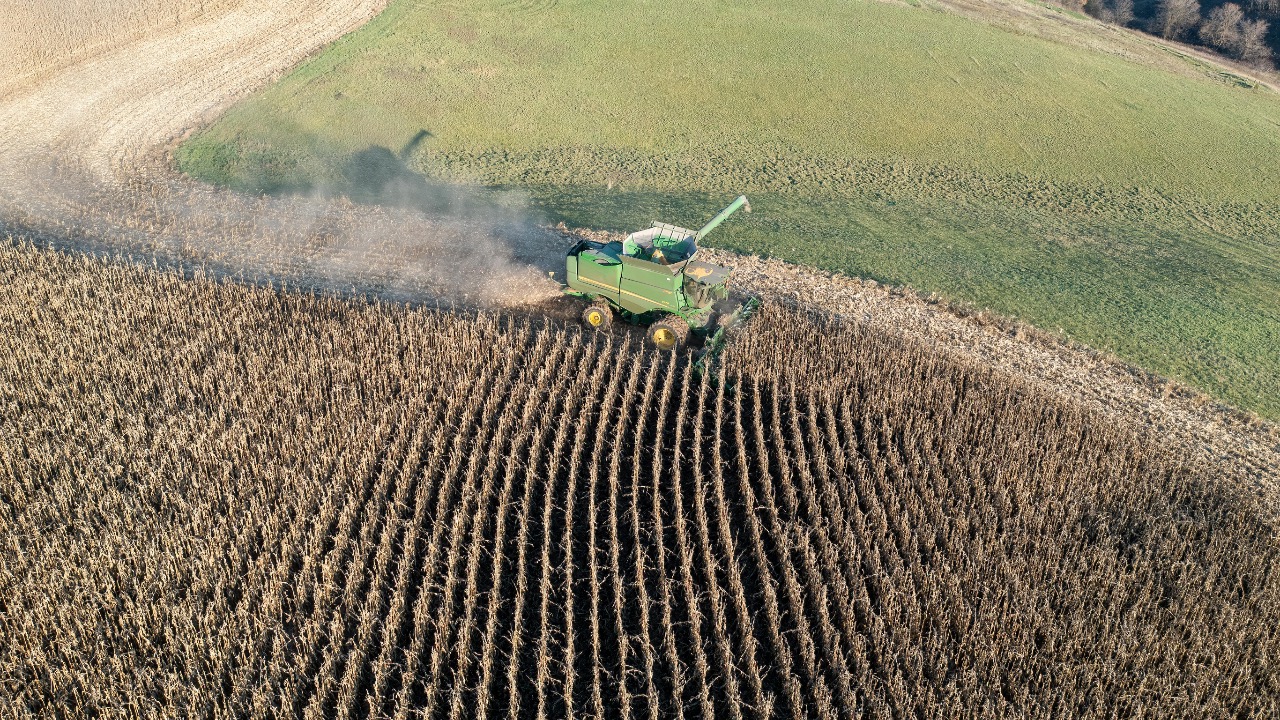
Farmers across Midwest hit breaking point as soaring costs and low prices force ‘year off’ planting
Farmers across the Midwest are facing a tough decision this season as rising input costs and weak crop prices squeeze already thin margins. For some, the math simply isn’t working, leading to the idea of taking a “year off” from planting certain fields rather than risking a loss.
This isn’t a decision farmers take lightly. Skipping a planting season can affect long-term soil planning, contracts, and income stability. But with fuel, fertilizer, and equipment costs staying high while crop prices remain under pressure, more producers are starting to weigh short-term survival over pushing through another unprofitable season.
Rising costs are hitting every part of the operation
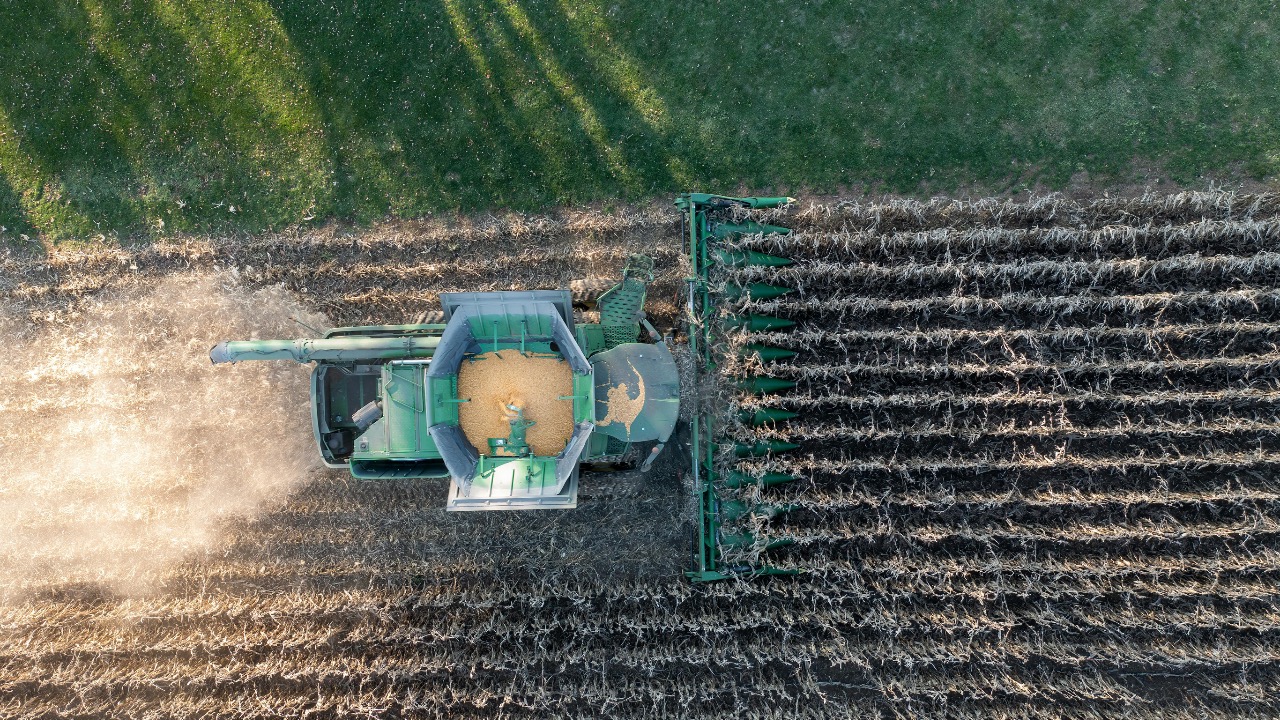
One of the biggest issues farmers are dealing with is the cost of inputs. Fertilizer prices have stayed elevated compared to past years, and fuel costs continue to fluctuate, making it harder to predict expenses. Even basic supplies like seed and maintenance parts are more expensive than they used to be.
These increases add up quickly. A single planting season requires a large upfront investment, and if crop prices don’t hold, there’s little room to recover those costs. For smaller operations especially, one bad year can put serious pressure on finances.
Crop prices aren’t keeping up
At the same time costs are rising, prices for key crops like corn and soybeans have not kept pace. Market swings, global supply shifts, and trade pressures have all played a role in keeping prices unpredictable.
Farmers rely on stable or rising prices to offset their expenses, and when that doesn’t happen, margins shrink fast. Even efficient farms can struggle when the market doesn’t cooperate, which is why some are considering reducing acreage or stepping back entirely for a season.
The idea of taking a “year off”
Taking a “year off” doesn’t necessarily mean abandoning farming altogether. In many cases, it means leaving some fields unplanted or shifting to lower-cost alternatives to avoid heavy upfront expenses.
This approach can help limit financial risk in the short term, but it also comes with trade-offs. Land that isn’t planted doesn’t generate income, and there can be long-term impacts depending on how it’s managed during that time.
Ripple effects on rural communities
When farmers pull back, the effects aren’t limited to the fields. Local businesses that depend on agriculture — equipment dealers, repair shops, grain buyers — can all feel the slowdown.
Rural economies are closely tied to farm activity, so even a small reduction in planting can have wider consequences. That’s part of why this situation is getting attention beyond just the farming community.
Uncertainty heading into the next season
Right now, many farmers are still deciding what to do, and those decisions could shift depending on market conditions in the coming months. A change in crop prices or input costs could push some back into planting, while continued pressure may lead others to scale back even further.
The uncertainty is what makes the situation especially difficult. Farming has always involved risk, but the current gap between costs and potential returns is forcing more producers to rethink how much they’re willing — or able — to put on the line.

Leo’s been tracking game and tuning gear since he could stand upright. He’s sharp, driven, and knows how to keep things running when conditions turn.