How experienced hunters avoid losing game near boundaries
Losing a good animal at a fence line will stick with you longer than a clean miss. It’s one of those problems you don’t think much about—until you’re standing there, watching blood trail lead straight onto ground you can’t step on. Experienced hunters don’t leave that to chance.
They plan for it before the season ever opens. They hunt with boundaries in mind, not as an afterthought. If you’ve spent time around pressured ground, you know animals don’t care about property lines. The only thing you can control is how you set up and how you handle the shot. Here’s how seasoned hunters keep those situations from going sideways.
They Learn the Boundary Like It’s Part of the Terrain
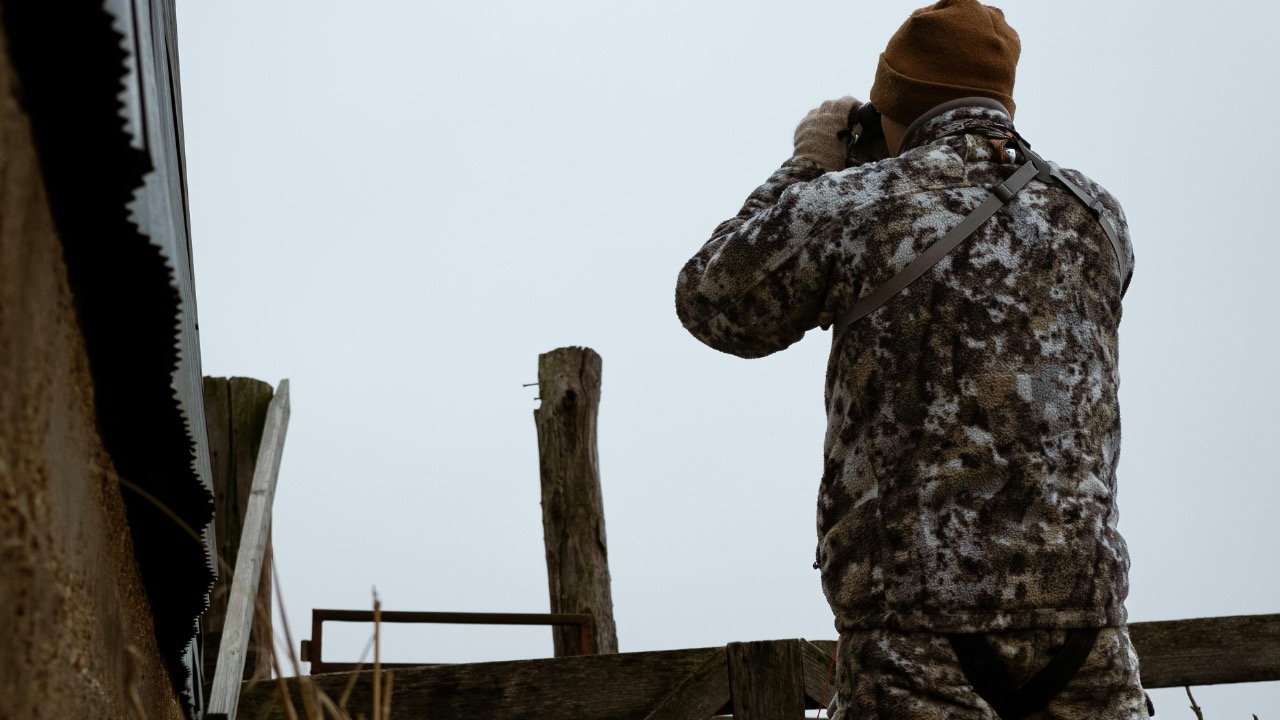
You don’t treat a property line like a line on a map. You walk it, mark it, and get familiar with how it actually lays on the ground. Fences sag, corners aren’t always where you think, and GPS isn’t perfect under heavy cover.
Experienced hunters spend time before the season checking markers, tying flagging where needed, and confirming corners. That way, when a deer or elk starts angling toward that edge, you already know exactly where you stand. There’s no guessing when it matters most, and that clarity shapes every decision you make in the moment.
They Set Up With the Exit Route in Mind
Before you ever climb into a stand or settle against a tree, you’re thinking about where that animal is likely to go after the shot. That includes where it beds, feeds, and escapes when pressured.
If the most likely escape route leads straight to a boundary, experienced hunters adjust. They shift setups deeper, change angles, or pass on the spot entirely. It’s not about where you can shoot—it’s about where you can recover the animal. That mindset saves a lot of frustration later.
They Wait for the Right Shot Angle
Patience matters more near a boundary than anywhere else. A marginal angle that might work in the middle of a big property isn’t worth it when you’re close to a fence.
You’ll see experienced hunters hold off until the animal turns, slows, or steps into a position that favors a short, predictable recovery path. Broadside or slightly quartering away shots that direct movement back into your ground are the goal. It can mean letting opportunities walk, but it keeps you from pushing a wounded animal into a bad situation.
They Manage Pressure Before the Shot
Pressure changes how animals move, and near boundaries, that matters. If you’re bumping deer or elk toward neighboring land every time you hunt, you’re setting yourself up for trouble.
Seasoned hunters control entry and exit routes, keep wind in check, and avoid overhunting a spot. They’d rather sit less often and keep animals comfortable than burn it out. When the time comes, the animal behaves naturally instead of bolting for the nearest escape—which often happens to be across the line.
They Track Slow and Stay Patient
After the shot, the worst thing you can do is rush in and push a wounded animal. Near a boundary, that mistake gets magnified.
Experienced hunters give it time. They watch the hit, mark last sight, and wait longer than they think they need to. A well-hit animal that isn’t pressured will often bed within a short distance. Push it too soon, and you can send it running straight onto ground you can’t access. Patience here is often the difference between a short recovery and a lost animal.
They Build Relationships With Neighboring Landowners
This one starts long before the season. If you’re hunting near private boundaries, knowing the neighbor can make all the difference when things go wrong.
Experienced hunters introduce themselves, explain where they hunt, and ask about recovery permission ahead of time. Not everyone will say yes, but many will appreciate the respect. When you already have that conversation in place, you’re not knocking on a door under pressure after dark. You’re following through on something you handled the right way from the start.
They Mark Blood and Sign Carefully
Tracking near a boundary isn’t the time to get sloppy. Every drop of blood, every track, every broken stem matters when you’re trying to keep the line straight.
Seasoned hunters mark sign as they go—tape, pins, or natural markers—so they can see direction clearly. This helps you read where the animal is heading and whether it’s angling toward trouble. It also keeps you from drifting off the trail and accidentally crossing a line you didn’t intend to cross.
They Know When to Stop and Reassess
Sometimes, despite doing everything right, the trail heads straight to the boundary. That’s when discipline matters most.
Experienced hunters don’t push blindly forward. They stop, reassess the situation, and decide the next move carefully. That might mean backing out, waiting longer, or contacting the landowner before taking another step. It’s not the moment to let emotion take over. Staying controlled gives you the best chance to finish the job the right way.
If you hunt long enough, you’ll deal with a boundary situation. The difference is whether you planned for it or let it happen to you. The hunters who stay ahead of it aren’t lucky—they’re deliberate, and it shows when it counts.

Asher was raised in the woods and on the water, and it shows. He’s logged more hours behind a rifle and under a heavy pack than most men twice his age.