Feral pigs take over Tennessee neighborhood — residents say help isn’t coming
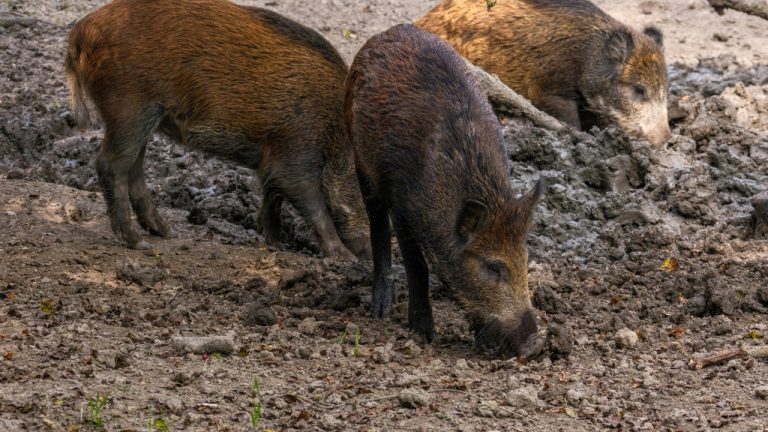
On a quiet stretch of Tunnel Boulevard in Chattanooga, the nightly soundtrack has shifted from crickets and distant traffic to snorts, grunts and the scrape of hooves on asphalt. Residents say a small herd of feral pigs now roams the streets, tearing up lawns and gardens, and that calls for help have gone largely unanswered.
The standoff reflects a broader reality in Tennessee, where wild hogs have evolved from rural nuisance to neighborhood menace. As the animals push into suburbs, the state’s slow, methodical response often collides with residents’ expectations of quick relief.
The Tunnel Boulevard takeover

Videos from the Tunnel Boulevard area show pigs trotting down the road in a loose pack, slipping between parked cars and rooting in front yards while porch lights flick on. In one clip, a resident identified as William watches as the animals move past and notes that they hardly react when people shout or clap, saying they “never even looked up” when startled fireworks went off nearby. The pigs, he says, “are not afraid,” and the scenes suggest a group that now treats the neighborhood as its own range.
Another neighbor, Mar, can be heard expressing disbelief as the animals nose through trash and flower beds. The footage, shared in a local segment on a “posse of pigs” in the Tunnel Boulevard neighborhood, has circulated widely and helped turn a hyperlocal frustration into a symbol of an urban wildlife problem that is no longer confined to deer or raccoons. What unsettles residents most is the pigs’ ease around people, cars and porch lights.
Online, one neighbor, Fuffy Booth, summed up the mood in a community group by writing, “Fuffy Booth We are not trying to adopt them as pets nor do we want them roaming and tearing up the neighborhood. We are trying to get someone to remove them.” That plea, repeated in various forms, has so far produced more sympathy than concrete action.
“At least six loose pigs” and growing anxiety
The Tunnel Boulevard situation is not an isolated oddity. Earlier this month, Residents of a told reporters that at least six loose pigs had been roaming their streets, rooting up yards and startling drivers. Neighbors described a “growing number” of pigs that seem to appear at all hours, sometimes blocking driveways or lingering in front of homes.
In Chattanooga, a post shared by local television described how Chattanooga residents now face an “unusual predicament” as pigs freely roam their neighborhood, causing damage and fear. The animals have been spotted near children’s play areas and bus stops, heightening concern that a startled hog could charge or that a car could hit one on a dark street.
For many in these communities, the frustration is not simply that the pigs are present. It is that, after repeated calls, they see little sign of a coordinated response from local or state agencies. The perception that help is not coming has become as powerful a force as the animals themselves.
How feral hogs became a Tennessee crisis
Feral pigs are not new to Tennessee, but their spread and behavior have changed. State wildlife officials describe wild hogs as a mix of escaped domestic pigs and imported game animals that have established self-sustaining populations. A basic overview of feral pigs shows why they are so hard to manage: they breed quickly, adapt to new environments and can eat almost anything.
The Tennessee Wildlife Resources Agency describes wild hogs as an invasive species that competes with native wildlife for food and habitat. According to the agency’s wild hog information, the animals damage crops, forests and waterways and can carry diseases that threaten livestock and even humans. A statewide survey of public perception illustrates how widespread the concern has become. Out of 5,000 that were invited, 1620 participated in the survey (32.5% response rate). Out of that group, responses were analyzed to characterize public views of wild hog damage and to help with future assessments.
Nationally, invasive hogs have been blamed for tearing up yards, golf courses and farm fields, leaving behind churned soil and broken irrigation lines. One report on wild hogs in Tennessee described them as “Destructive and aggressive,” and quoted residents who said, “They are just rooting up everything.” Another section of the same reporting asked, “Why are invasive hogs important,” then explained that invasive species like Tennessee’s wild hogs compete with native species for food, water and shelter and can cause economic damage that reaches up to $1.5 billion annually.
From Carter County to Palm Coast, familiar scenes
The images from Chattanooga and other Tennessee neighborhoods fit into a pattern that has surfaced in scattered communities across the country. In Carter County Tennessee, a viral video showed a single 300 pound pig on the loose, with neighbors describing how the animal had been wreaking havoc and how they were trying to locate its owner. The clip, shared widely on social media, turned a local headache into a brief national curiosity.
In Palm Coast, Florida, another resident described walking outside and seeing what she called a “humongous pig” and said she thought it was the size of a cow. That community has been battling an invasion of feral hogs that dig deep holes and forge through lawns, leaving behind hazards for children and pets.
These stories echo what Tennessee residents now describe: surprise at the size of the animals, fear about what happens if one feels cornered and a sense that the problem arrived almost overnight.
Why officials tell residents not to hunt the pigs
Given the frustration, some neighbors ask why they cannot simply grab a rifle and solve the problem themselves. Wildlife managers consistently warn against that approach. In Tennessee, officials have repeatedly said that uncoordinated hunting can make the problem worse by scattering sounders and teaching surviving pigs to avoid traps.
At Land Between the Lakes, a sprawling recreation area that straddles the Tennessee and Kentucky border, managers have leaned on professional control instead of public hunts. One release explained that LBL has begun with contracted teams and that 1,445 were taken last year with no plans for a public hunt. Another update from Jan detailed how night vision helicopters equipped with Forward Looking Infrared (FLIR) would track hogs at Land Between the Lakes and direct wildlife specialists to their locations.
An earlier effort at LBL noted that, according to LBL, APHIS began assisting the Forest Service with trapping in 2014 and had success but not at a rate that surpassed reproduction. That point is key. Wild hogs breed year round, producing up to two litters and as many as 26 young each year. A social media post from Feb by state officials explained that wild hogs can roam for miles and that they often travel in groups, which makes them both more visible and harder to remove completely.
In East Tennessee, a detailed report on the “battle of the boar” described how hunters and the Tennessee Wildlife Resources Agency are grappling with a wild hog crisis that has proven nearly impossible to control. Mar was used in that coverage to mark the timing of the latest push, and one line began with “Due to how quickly wild hogs repopulate and their prized game status among outdoorsmen,” then explained why eradication has remained out of reach.
Aerial hunts and the limits of state response
Tennessee has experimented with more aggressive tactics. A decade of worsening damage led officials to approve aerial hunting in some areas. In one account, Dunlap said the feral hog problem had intensified in Tennessee over the last decade and would likely get worse before it gets better, even with helicopters in the mix.

Leo’s been tracking game and tuning gear since he could stand upright. He’s sharp, driven, and knows how to keep things running when conditions turn.