Fifteen states with the largest whitetail populations — and why it matters
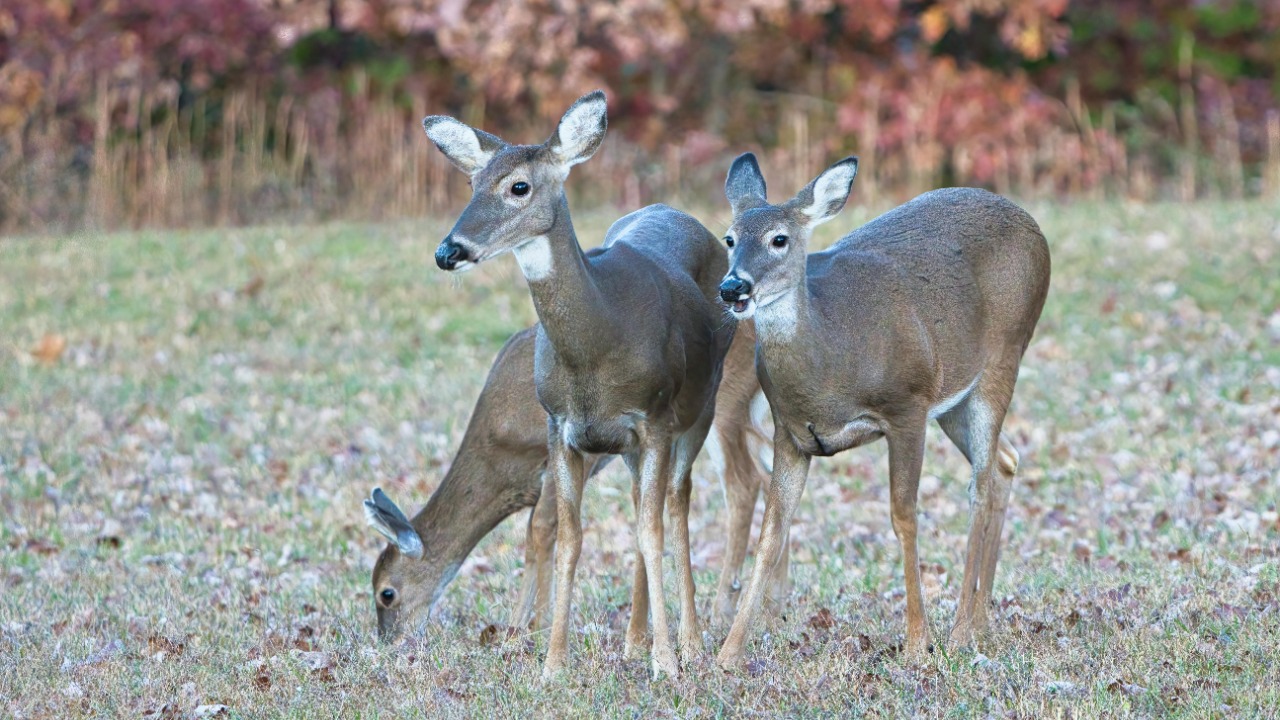
White-tailed deer are one of the most familiar wildlife species in North America, yet the scale of their numbers is easy to underestimate. The fifteen states with the largest whitetail populations now shape everything from hunting seasons and rural economies to forest health and highway safety. Understanding where these deer are most abundant, and why, is central to debates over conservation, land use and how people choose to share space with wildlife.
Across the United States, whitetails have adapted remarkably well to human-dominated landscapes, thriving in suburbs, farm country and fragmented woods. As their numbers climb in key regions, the question is no longer whether there are enough deer, but whether some states now have more than their ecosystems and communities can comfortably support.
How many whitetails are out there, and where are they concentrated?
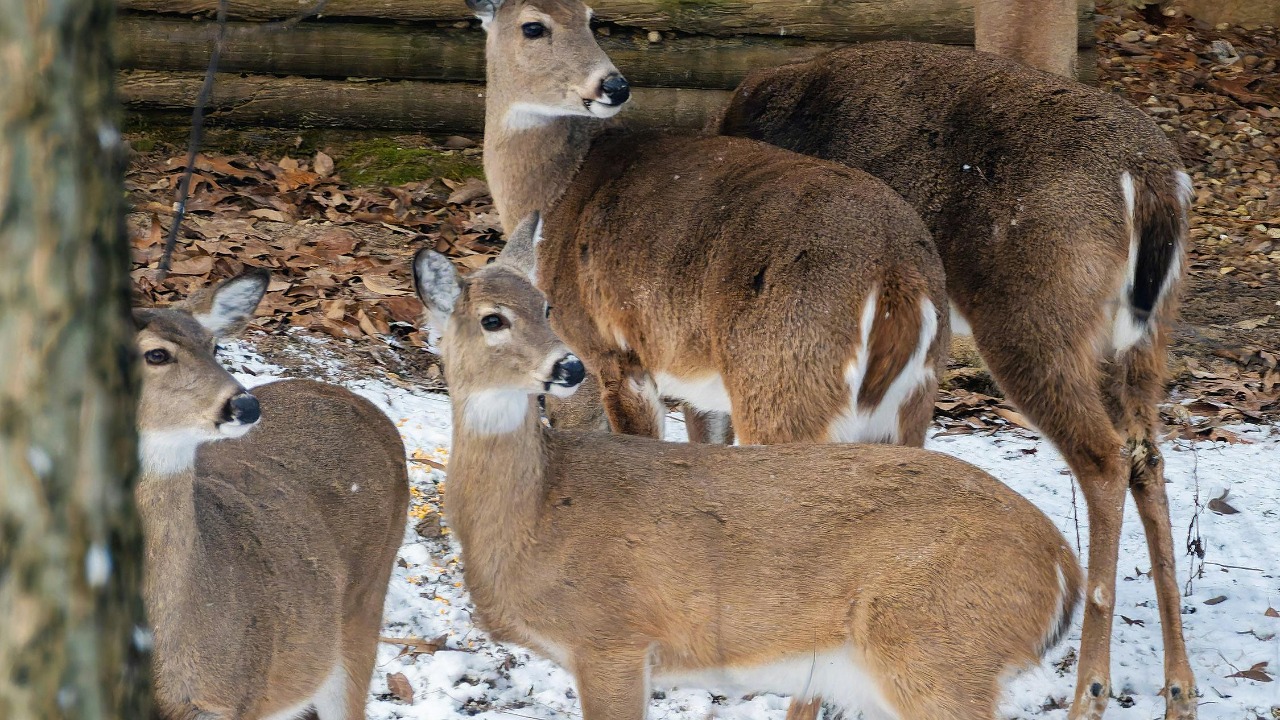
National estimates put the total number of White-Tailed Deer in the United States in the tens of millions, with one dataset listing 32,123,000 animals across the country. That same breakdown shows how unevenly those deer are distributed, with some states holding relatively modest herds and others supporting enormous concentrations of whitetails. The Deer Population table highlights how a handful of states dominate the national total.
Those state-level figures are echoed in other compilations that track Deer Population by State for both White-Tailed Deer and other species. One summary lists Alabama at 1.7 Million deer, Alaska between 333,000 and 346,000, Arizona between 130,000 and 160,000, and Arkansas at 900,000, illustrating how even outside the traditional Midwestern whitetail belt, some states hold very large herds. These numbers, drawn from a broader State overview, help frame which regions are dealing with the most intense management challenges and the greatest hunting opportunity.
Texas and the rise of the southern strongholds
Any list of the fifteen states with the largest whitetail populations starts with Texas, which stands alone at the top. Wildlife officials there describe the Range of the species in clear terms: Texas State has the most white-tailed deer of any state at over four million animals. Much of that abundance is centered in The Texas Hill Country, including the Edwards Plateau, where a mix of brush, oak and pasture provides ideal habitat. According to the state’s own Range guide, only a few areas of the state remain spotty for whitetails.
Texas is not alone in the South. Estimates compiled earlier this year place Alabama in the 1.5 to 1.8 million range, with Wisconsin in the 1.3 to 1.6 million band, underscoring how both southern and upper Midwestern landscapes now anchor the country’s biggest herds. Those Alabama figures sit alongside other high-population states in a ranking of which states have the largest populations of whitetail deer, where the focus is on broad ranges rather than single-point estimates. The same Mar analysis notes that these numbers are estimates that can vary by source, but the pattern is clear: Texas and its southern neighbors are now whitetail powerhouses.
The Midwestern core: Wisconsin and its neighbors
Moving north, the upper Midwest forms the second major core of whitetail abundance, and Wisconsin is at the center of that story. Population estimates there, as noted above, run from 1.3 to 1.6 million deer, putting the state firmly inside the top tier of whitetail states. That sheer volume of animals is one reason Wisconsin consistently ranks at or near the top in whitetail hunting metrics, with a long tradition of firearm seasons that draw residents and nonresidents alike. A national Whitetail Hunting comparison lists Wisconsin as the number one ranked state for whitetail hunting, citing both harvest numbers and record-book entries.
Neighboring states like Minnesota, Michigan, Iowa and Illinois also appear in any serious ranking of the fifteen largest whitetail populations, even if their exact numbers vary from year to year. These states combine productive farm country with woodlots and river corridors, a landscape pattern that favors deer. In a separate look at “great states” for whitetails, analysts highlight how Midwestern states such as Iowa and Illinois produce high numbers of trophy-class bucks, with one state logging 365 entries in a major record system. That focus on quality, drawn from a broader Oct review of trophy potential, reinforces what the population data already suggest: the Midwest is both crowded with deer and capable of growing very large ones.
The eastern forests: New York, Pennsylvania and beyond
East of the Great Lakes, states like New York and Pennsylvania form another cluster of high whitetail abundance, but the stakes here are as much ecological as recreational. New York’s wildlife agency describes The White-tailed Deer as a species that thrives in a variety of habitats, including landscapes predominated by people and their activities. In other words, the same adaptability that makes deer a familiar sight along suburban roads also allows them to reach high densities in fragmented forests. The state’s The White management guidance emphasizes that deer are now a permanent part of human-dominated environments, not just remote woodlands.
Pennsylvania offers a case study in what happens when those numbers climb too high. Extension specialists there warn that Over-abundant deer populations also reduce the diversity of plants and other wildlife species found in the forest, especially when browsing pressure is sustained over many years. High levels of deer feeding can prevent tree seedlings from ever reaching the canopy, altering forest structure and composition. That warning, laid out in an Over discussion of deer abundance, helps explain why states with large whitetail populations are increasingly focused on ecological indicators, not just hunter satisfaction.
Why big herds matter for forests and native plants
Large whitetail populations are not just a numbers story; they reshape forests from the ground up. Conservation groups working in heavily browsed regions describe how, when hungry, deer will stand on their hind legs to reach higher branches, stripping leaves and buds from saplings that are trying to grow. Over the past decade, that kind of intense feeding has been linked to declines in understory shrubs and wildflowers, as well as the failure of some tree species to regenerate. One detailed account of Deer damage notes that the white-tail deer is cute, yes, but that charm masks a serious threat to woodland health when populations are not kept in check.
Researchers in the Northeast and Mid-Atlantic now point to deer as a primary driver of reduced plant diversity in some forests, especially where other stressors like invasive species and climate change are already at work. As deer preferentially browse native seedlings, less palatable invasive plants can gain a foothold, further altering habitat for birds, small mammals and insects. That is why managing deer numbers is increasingly framed as a core part of forest conservation, not a side issue. At institutions like Cornell, ecologists argue that Managing the deer population is essential to maintaining or improving forest health, noting that as deer populations have increased at their natural areas, the impacts on vegetation have become impossible to ignore. The Managing the guidance there links deer control directly to protecting water quality and recreational opportunities.
Economic stakes: hunting, tourism and rural livelihoods
For many of the fifteen high-population states, whitetails are also a major economic engine. Robust herds support long hunting seasons, strong license sales and a steady flow of nonresident hunters who spend money on lodging, fuel, guides and gear. In rankings of Whitetail Hunting by State, metrics such as Hunting Rank and Additional Info are used to compare states on harvest success, access and trophy potential, with Wisc and other Midwestern states consistently near the top. The State comparison that lists Wisconsin as the number one ranked state for whitetail hunting also notes that it leads in record-book entries, a proxy for the kind of quality that draws serious hunters.
Those economic benefits ripple outward. In Texas, for example, private ranches in The Texas Hill Country and Edwards Plateau lease hunting rights to individuals and outfitters, creating income streams that help keep large tracts of land intact rather than subdivided. In Alabama and other southern states with 1.5 to 1.8 million deer, rural communities rely on deer season to boost small businesses from diners to processing shops. At the same time, wildlife agencies use license revenue to fund broader conservation work that benefits non-game species as well. The challenge for policymakers is to balance that economic upside with the ecological and social costs of very high deer densities, especially in suburban counties where hunting access is limited.
When “too many deer” becomes a public problem
As whitetail numbers climb in the top fifteen states, the phrase “over-abundant” moves from academic reports into everyday conversation. In Pennsylvania, New York and parts of the Midwest, residents now associate deer not only with autumn hunting but with garden damage, crop losses and vehicle collisions. Extension specialists warn that high deer densities can reduce the diversity of plants and other wildlife species, but they also note the human toll when deer-related damages in transportation and agriculture mount. The High levels of browsing described in their materials are mirrored by rising insurance claims and farmer complaints in many of the same counties.
National policy groups that focus on hunting and conservation argue that, in many areas, deer populations have exceeded population management goals, leading to increased deer-related damages in transportation, agriculture and forestry. They point to examples where suburban herds have grown so large that traditional management tools struggle to keep pace. In that context, these groups maintain that hunting remains the most effective option for controlling white-tailed deer numbers at scale, especially when compared with more expensive or logistically complex methods. A policy brief on Hunting as a preferred management tool underscores that point, arguing that regulated seasons are still the backbone of deer management in high-population states.
How managers decide what “right-sized” looks like
Behind the scenes, wildlife agencies in the fifteen biggest whitetail states are constantly recalibrating what they consider a sustainable herd. In New York, for example, managers describe The White-tailed Deer as thriving in landscapes predominated by people, which means they cannot rely on natural predators or harsh winters alone to keep numbers in check. Instead, they set population objectives by weighing forest health indicators, farmer feedback, hunter satisfaction and public safety data. The state’s Deer management plan emphasizes that these decisions are as much social as biological, since different communities have different tolerances for deer.
At research-focused institutions, ecologists are refining tools to measure when deer impacts cross ecological thresholds. At Cornell, staff overseeing natural areas stress that Managing the deer population is essential to maintaining or improving forest health, and they monitor vegetation plots to see whether seedlings of key tree species are surviving. Their water and recreation framing is deliberate, linking deer management to clean streams and enjoyable trails rather than treating it as a niche concern. In high-population states, that kind of data-driven approach is increasingly used to justify either liberalized hunting seasons or, in some cases, targeted culls in sensitive habitats.
Why the fifteen biggest whitetail states are a national test case
The states that hold the largest whitetail populations are, in effect, laboratories for how the country will handle abundant wildlife in human-dominated landscapes. From Texas, where Texas State has over four million deer spread across The Texas Hill Country and Edwards Plateau, to Wisconsin and Alabama, where herds in the 1.3 to 1.8 million range are reshaping both economies and ecosystems, these jurisdictions are already confronting questions that others will face as deer expand. The national White-Tailed Deer tables show that, as habitat changes and predators remain scarce in many regions, more states are likely to join the high-population club.
For now, the fifteen leaders illustrate both the promise and the pressure that come with abundant whitetails. They enjoy strong hunting traditions, significant tourism revenue and a cultural connection to a species that has rebounded from historic lows. At the same time, they are grappling with forest degradation, crop losses and safety concerns that stem directly from having so many deer on the landscape. As I look across the data and the on-the-ground reports, it is clear that how these states balance those trade-offs will shape not only the future of whitetail management, but also broader expectations about how Americans live alongside wildlife that has learned to thrive in our shadow.

Leo’s been tracking game and tuning gear since he could stand upright. He’s sharp, driven, and knows how to keep things running when conditions turn.