10 of the best dog breeds for hunting
Choosing the best dog breeds for hunting means balancing drive, trainability, and the right instincts for your quarry. From classic bird dogs to tireless pest chasers, the breeds below have been singled out by working hunters and canine experts for consistent performance in the field. I focus on how each dog hunts, what game it suits best, and what that means for anyone looking to add a four-legged partner to their next season.
1. Labrador Retriever
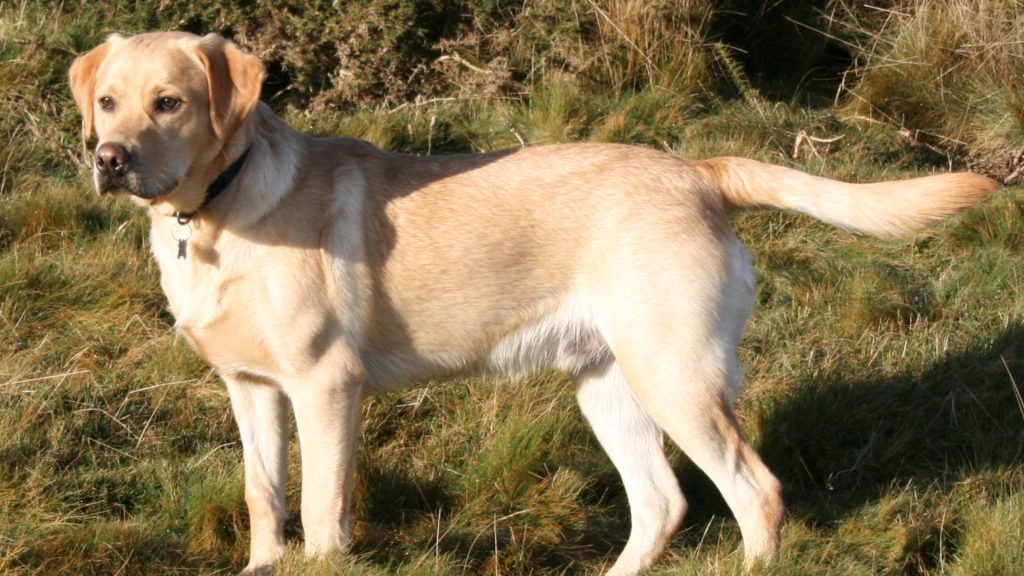
The Labrador Retriever is often described as the workhorse of bird hunting, combining power, biddability, and a near-obsessive desire to retrieve. In a survey of versatile gun dogs, Labs are praised for handling waterfowl, upland birds, and even light tracking across marshes, crop fields, and timber, making them one of the most versatile hunting options available. That range matters for hunters who split time between duck blinds and pheasant cover.
Field-focused organizations note that Labrador retrievers are “Blessed” with stamina, sturdy builds, and the willingness to retrieve for hours without quitting. That combination of durability and soft mouth helps reduce lost birds and damaged meat, which directly affects success rates and ethics in the field. For families, their even temperament also makes it easier to keep a serious working dog in a busy household between seasons.
2. German Shorthaired Pointer
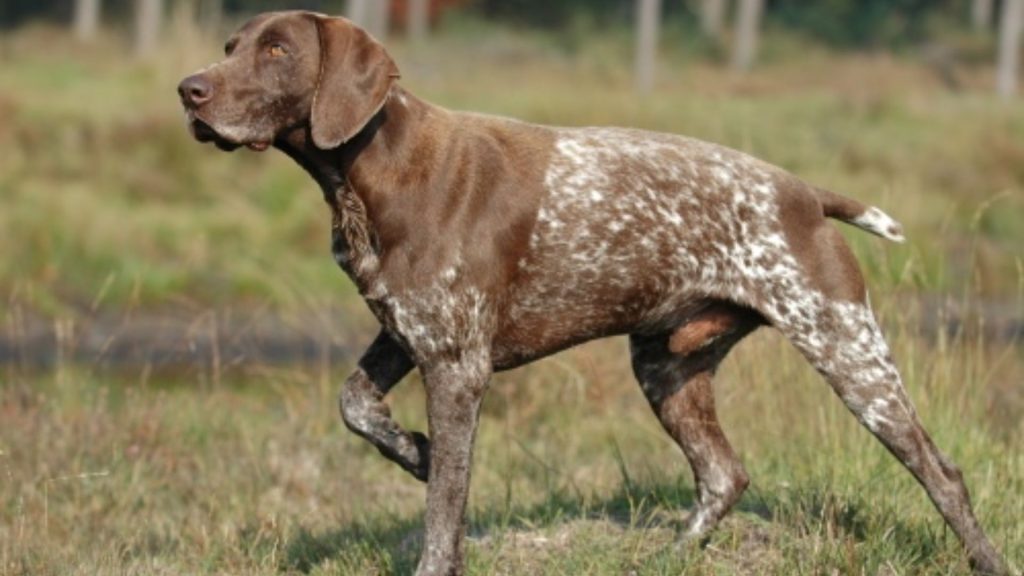
The German Shorthaired Pointer is built as an all-purpose gun dog, but its reputation peaks in dense grouse woods. In coverage of ruffed grouse specialists, the breed is highlighted for powerful scenting ability, high endurance, and the kind of precise, high-tailed point that keeps hunters safe when birds flush close in thick cover, making it a standout among grouse dogs. Those traits translate well to other upland species like pheasant and quail.
German Shorthaired Pointer is also described as a versatile hunter developed in the late 1800s to handle pointing, retrieving, and tracking. For modern hunters, that history shows up as a dog that can work all day, switch from open prairie to timber, and still settle reasonably well at home. The trade-off is that such drive demands consistent training and exercise to prevent boredom and destructive habits.
3. English Setter
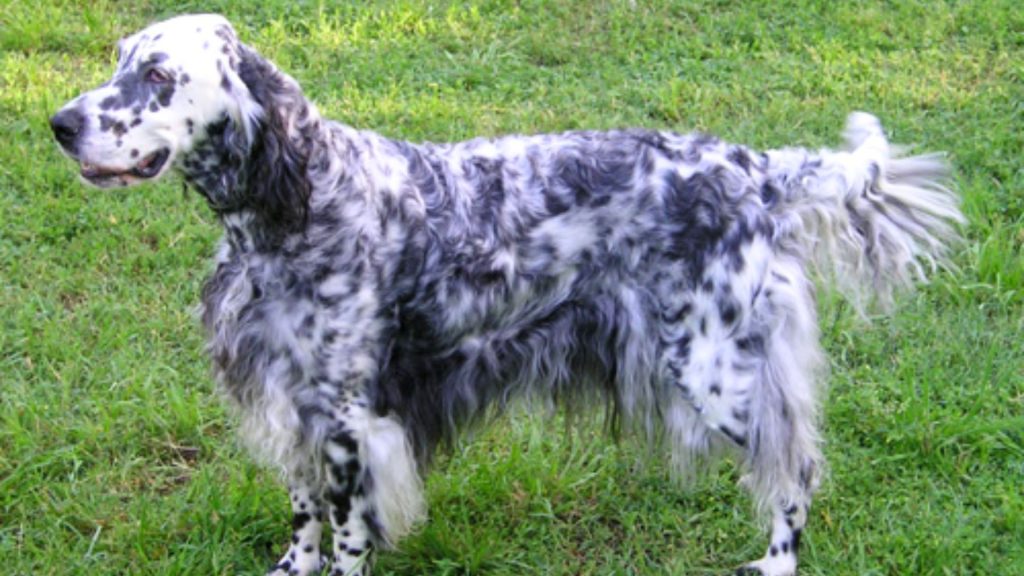
The English Setter is synonymous with classic bird hunting, especially in ruffed grouse and woodcock covers where style and precision matter. Reports on grouse hunting emphasize how these setters use sweeping casts and refined noses to locate birds, then lock into a steady point that lets hunters move into position without rushing. That combination of range and control is particularly valuable when shots are fleeting and visibility is limited by brush.
As a bird dog, the English Setter also appears prominently among top bird-hunting companions for families, where its gentle nature and elegant gait are noted alongside its field skills. Sources on bird dog breeds describe setters that can flush and point effectively while remaining affectionate at home. For hunters, that dual role reduces the need to kennel a dog full-time, but it also means managing long coats and regular conditioning to keep them ready for demanding seasons.
4. Brittany
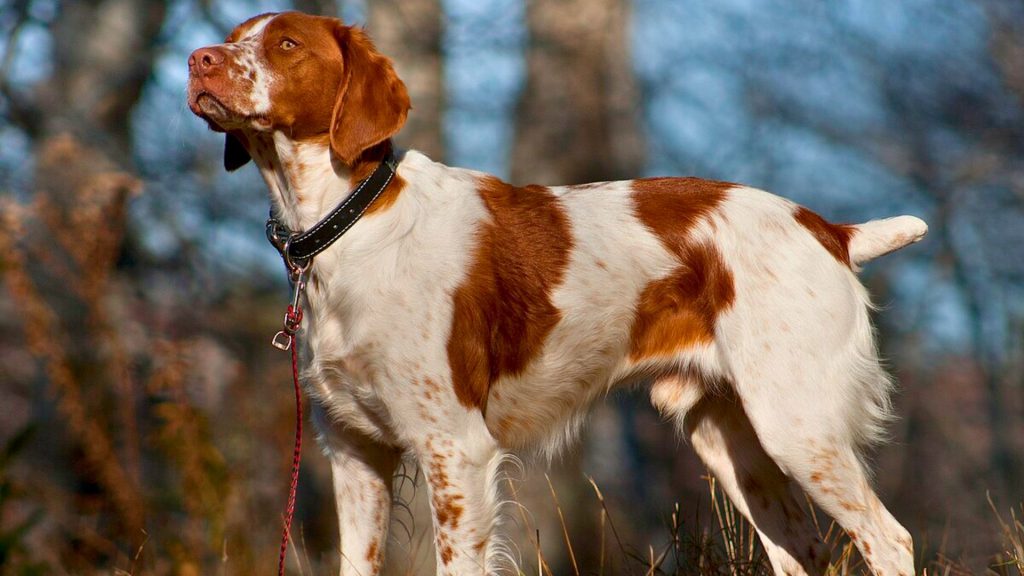
The Brittany, often simply called Brittany, is a compact pointing breed that punches far above its size in upland fields. Coverage of ruffed grouse hunting notes how this dog combines a sharp pointing instinct with nimble retrieving, making it ideal for tight, regenerating forests where birds run as much as they fly. In lists of the most exceptional upland hunters, The Brittany is singled out for being mistaken as a lap dog despite its serious drive.
Broader evaluations of versatile hunting dogs also place the Brittany among the top multi-role gun dogs, capable of handling everything from quail to pheasant with tireless enthusiasm. One overview of the best hunting dogs notes that The Brittany is intelligent, devoted, and able to transition into a family pet without losing its edge in the field. For hunters with limited space, that medium build and adaptable temperament can be a decisive advantage.
5. Vizsla
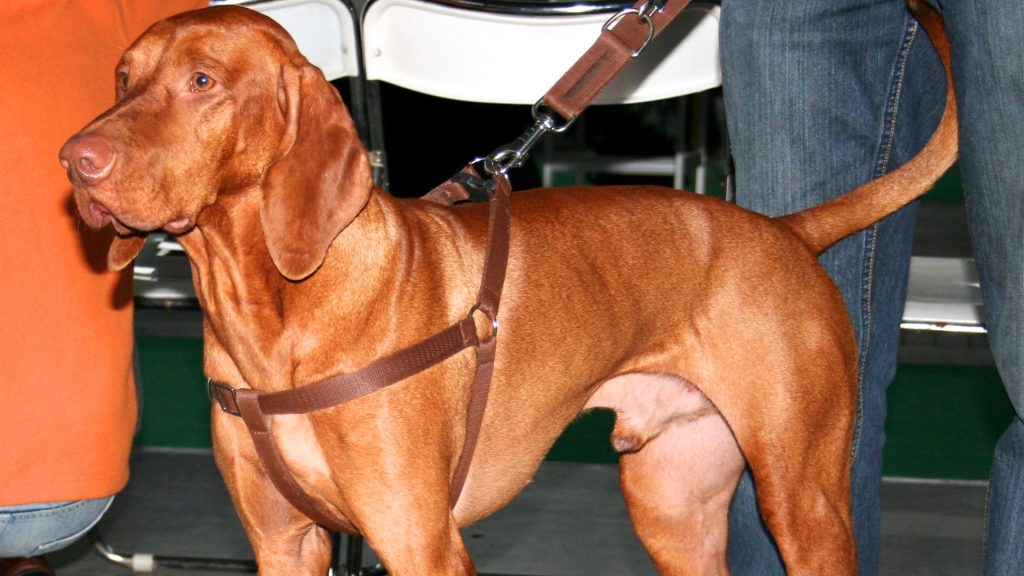
The Vizsla is a sleek, rust-colored pointing breed known for speed, endurance, and close bonding with its handler. In discussions of versatile hunting dogs, the Vizsla is praised for covering ground quickly while maintaining contact, pointing upland birds, and retrieving on land and in water. That versatility makes it attractive to hunters who want one dog to handle multiple game species rather than maintaining separate specialists.
Speed-focused analyses list the Vizsla among the fastest dog breeds in the world, underscoring how efficiently it can work large fields or prairie. Many owners describe the breed as having a “velcro” attachment to people, which can simplify training but also means it dislikes long periods of isolation. For active hunters and families, that intense bond can translate into a dog that is always ready for the next trip to the field.
6. Golden Retriever
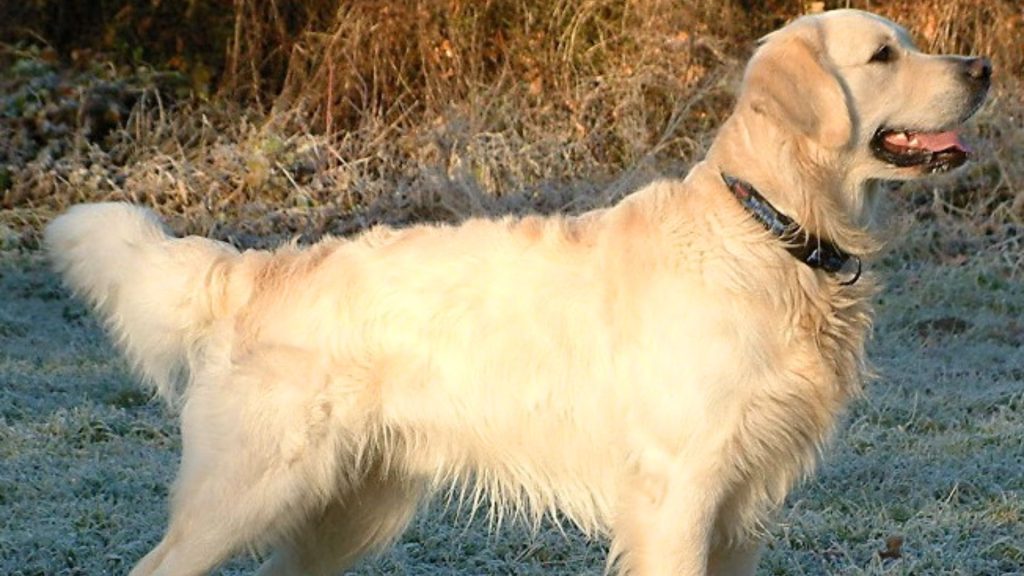
The Golden Retriever is widely recognized as a reliable bird dog that pairs a soft mouth with a cooperative attitude. In overviews of bird dog breeds, Goldens are highlighted for steady retrieving of ducks and upland birds, often working alongside children and novice hunters without becoming edgy or aggressive. That gentle demeanor does not diminish their drive; it simply makes them easier to manage in blinds, boats, and busy camps.
Family-focused guides rank the Golden among the best dog breeds for kids, noting its patience, playfulness, and tolerance of household chaos. One analysis of kid-friendly breeds lists the Golden Retriever as a top choice for families who also hunt. For stakeholders like first-time hunting families, that dual reputation reduces risk, since the same dog that retrieves geese can safely share a living room with toddlers.
7. Irish Setter
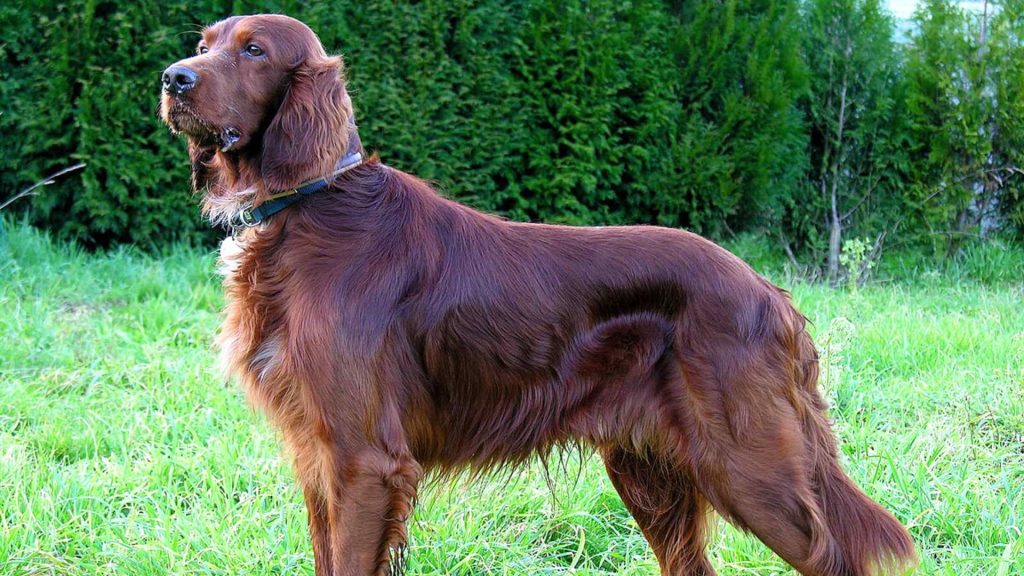
The Irish Setter brings a mix of eye-catching looks and serious bird-finding ability to the hunting field. In grouse-specific coverage, the Irish Setter is described as shining in flushing and pointing ruffed grouse with a bold, forward style that suits hunters who like an energetic, wide-ranging dog. That drive, combined with a radiant red coat, makes the breed easy to spot in cover and memorable in photographs.
Broader hunting-dog roundups describe the Irish Setter as “Famous for” its boundless energy and as much a joy in the field as in the home. One review of hunting dogs that lists the Irish Setter as a prime example of a dog that can hunt hard and then relax with the family. For hunters, the main consideration is providing enough exercise and mental work to keep that enthusiasm channeled productively.
8. English Springer Spaniel
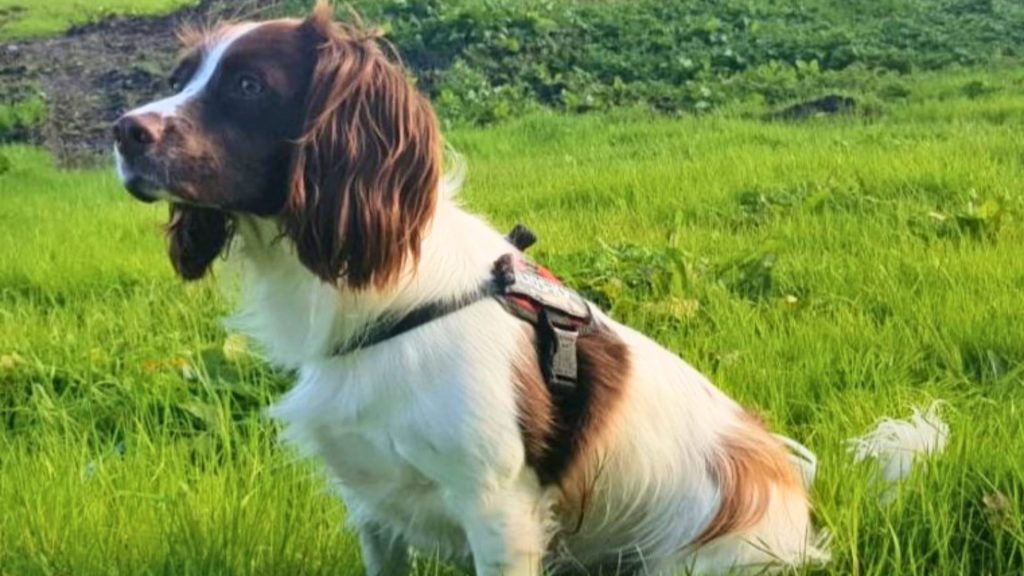
The English Springer Spaniel is a classic flushing dog, built to quarter in front of the gun, push birds into the air, and then retrieve to hand. Versatile-dog lists highlight Springers for their ability to handle pheasants, grouse, and other upland birds in thick cover, where a close-working, responsive dog reduces lost game. Their medium size and eagerness to please make them manageable for handlers who prefer a dog that stays within shotgun range.
Among bird dog companions, the English Springer is frequently recommended for hunters who also want a sociable house pet. Overviews of family bird dogs mention English Springer as a breed that balances drive with affection. The implication for stakeholders is clear: a well-bred Springer can serve as both a high-output hunting partner and a steady presence around children, provided its exercise needs are met.
9. Weimaraner
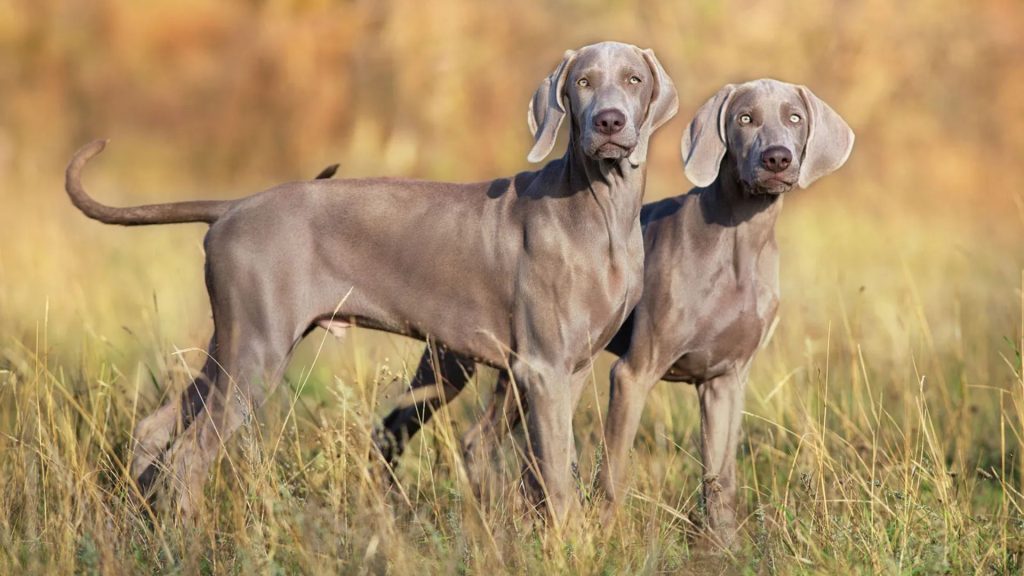
The Weimaraner is a medium-sized, silver-gray gun dog developed for versatile hunting, from birds to larger game. Breed guides describe it as fast, driven, and capable of tracking and pointing, which aligns with its inclusion among the most notable medium breeds for active owners. That size strikes a balance between power and manageability, allowing the dog to work long days without being unwieldy in boats or vehicles.
Speed rankings also place the Weimaraner among the quicker sporting breeds, reinforcing its suitability for open-country hunts where covering ground efficiently is essential. Versatile-dog overviews list the Weimaraner as a capable all-rounder that can shift from bird work to tracking wounded game. For hunters, the key implication is that this breed thrives with structured training and significant daily exercise, making it best suited to highly engaged handlers rather than casual owners.
10. Jack Russell Terrier
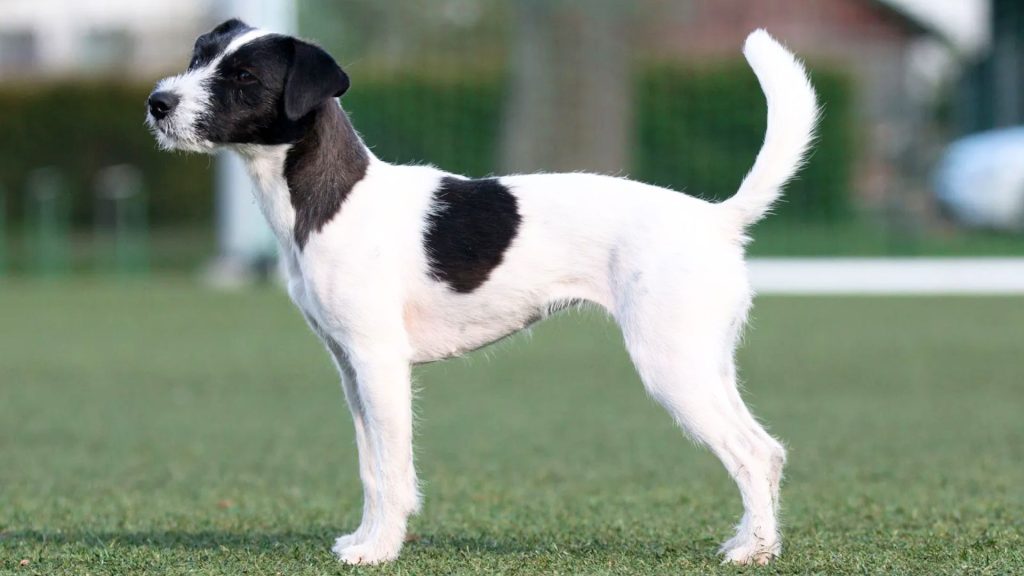
The Jack Russell Terrier may be small, but it is a formidable hunter of pests and small quarry. Coverage of household pest control notes that the Jack Russell Terrier is one of the dogs that hunt mice and other pests through relentless chasing and digging, using strong prey drive and compact bodies to work in tight spaces. That makes them valuable on farms, in barns, and around rural properties where rodent control has real economic stakes.
Speed analyses list the Jack Russell among quick, agile breeds, which helps it pursue fast-moving vermin and navigate cluttered environments efficiently. One overview of pest-hunting dogs emphasizes their tenacity and willingness to keep working until the job is done. For owners, that intensity is a double-edged sword: it delivers exceptional performance against pests but requires firm training and plenty of outlets to prevent nuisance digging or chasing in the wrong contexts.

Asher was raised in the woods and on the water, and it shows. He’s logged more hours behind a rifle and under a heavy pack than most men twice his age.