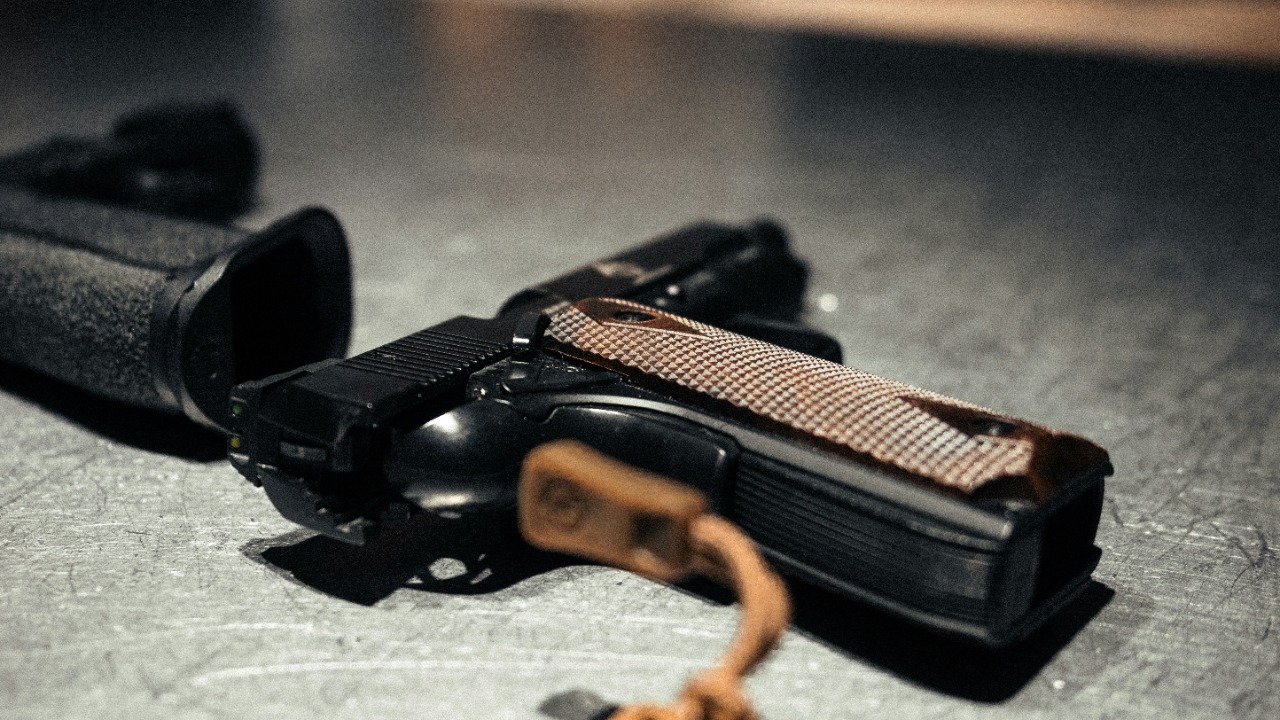
Firearms known for exceptional accuracy
Across hunting fields, competition bays, and defensive carry holsters, a handful of firearms have earned reputations for hitting exactly where they are aimed. Their consistency is not accidental, it comes from careful engineering, tuned ammunition, and designs that favor precision over flash. I want to walk through the rifles, pistols, and cartridges that shooters consistently single out for exceptional accuracy, and explain what sets them apart.
From bolt‑action hunting rifles that print tiny groups at long range to match pistols that dominate Olympic podiums, the most precise guns share common DNA. They pair rigid actions with quality barrels, predictable triggers, and ammunition that behaves the same way shot after shot. Understanding those ingredients makes it easier to see why certain models and calibers keep showing up whenever accuracy is the goal.
How accuracy is measured: MOA, groups and real‑world expectations
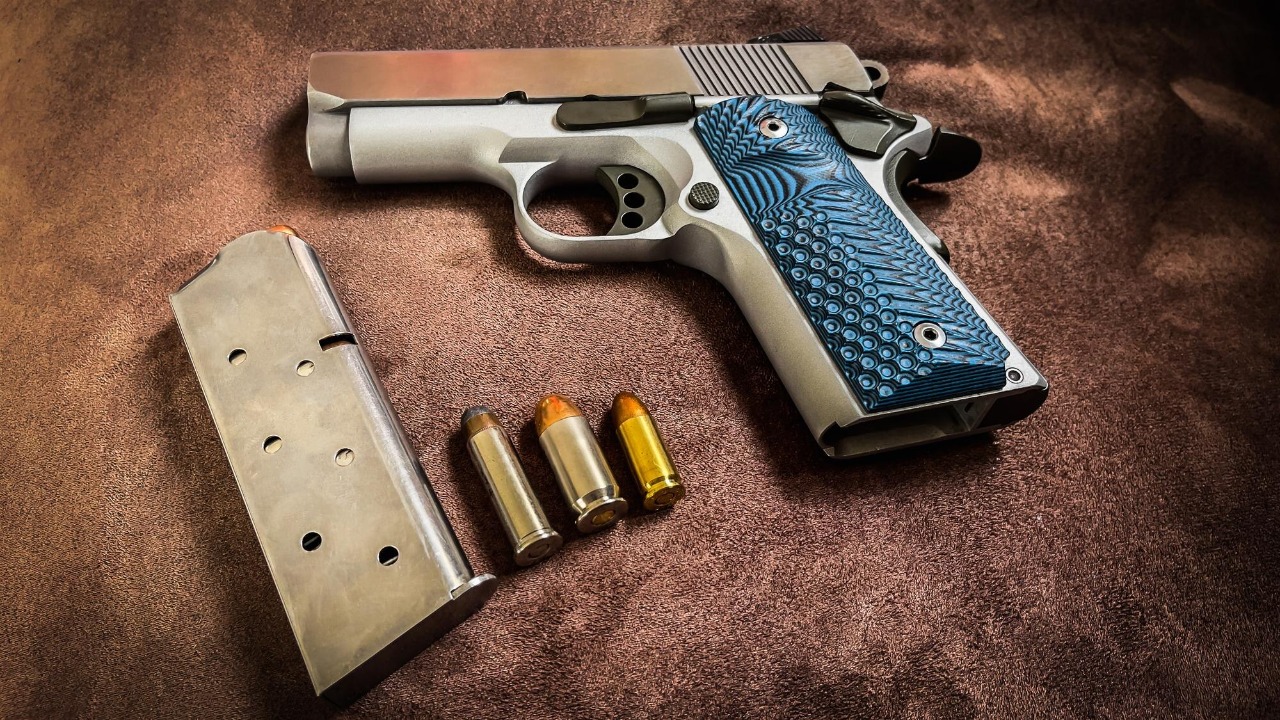
Before comparing specific firearms, I need to define what “accurate” means in practical terms. Precision is usually expressed in group size, the diameter of the cluster of bullet holes a gun produces at a known distance. Many rifle makers and shooters use Minute of Angle, or MOA, as the yardstick. One MOA is an angular Minute of Angle at 100 yards, 1 MOA equals roughly a 1 inch circle, so a rifle that keeps three to five shots inside that circle at 100 yards is considered a 1‑MOA gun.
Dedicated precision rifles are expected to do even better. A specialist retailer notes that Quality precision rifles should deliver consistent sub‑MOA accuracy, with many capable of half‑MOA groups at 100 yards. That standard, scaled out, means a rifle that can keep shots inside about 5 inches at 1,000 yards in the hands of a skilled marksman. When ammunition makers describe a handgun round that can shoot groups smaller than one inch at 100 yards, as they do with certain Accuracy focused .460 S&W loads, they are essentially promising rifle‑like precision from a revolver platform.
Why some actions and designs are naturally precise
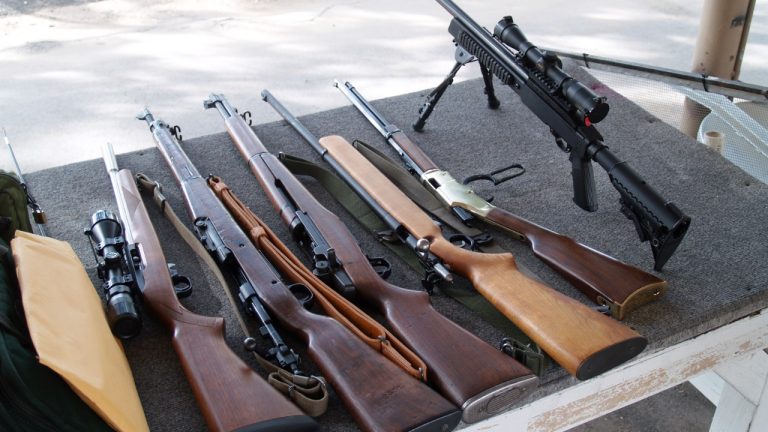
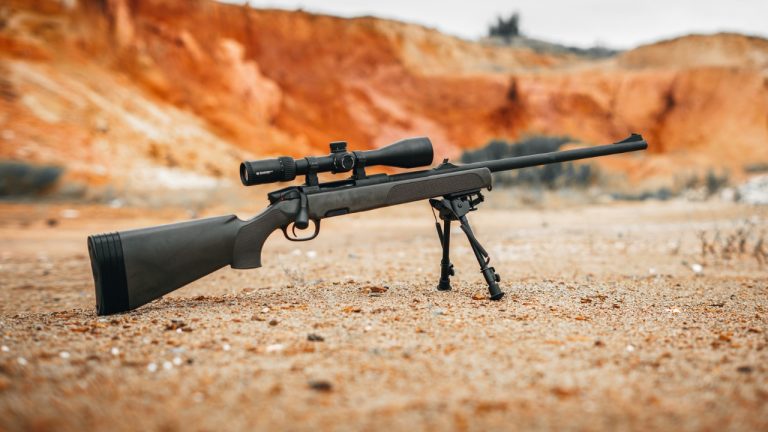
Mechanical layout has a huge influence on how well a firearm can repeat the same shot. Bolt‑action rifles are a classic example, with a manually operated bolt that locks the cartridge into a rigid receiver. A training resource explains that Although firearms come in many shapes and configurations, most repeating and single‑shot guns use a handful of core actions, and bolt actions are prized because the shooter cycles the bolt by hand, which keeps the firing system simple and stiff. That stiffness helps the barrel vibrate the same way every time, which is critical for tight groups.
Semi‑automatic designs can be very accurate too, but they must manage moving parts and gas systems that introduce more variables. A comparison of predator rifles notes that in typical Field positions, off sticks or a bipod, the practical difference between a tuned AR and a bolt gun can be negligible, yet the bolt action still tends to be the benchmark for pure precision. That is why so many of the most accurate hunting rifles and long‑range rigs rely on traditional bolts, heavy barrels, and stocks that free‑float the barrel to avoid pressure points.
Cartridges that stack the odds: from 6.5 Creedmoor to .460 S&W
Even the best rifle cannot overcome poorly matched ammunition, which is why certain cartridges have become synonymous with precision. Long‑range shooters gravitated to 6.5 mm bullets for their high ballistic coefficients, and one widely cited assessment flatly states that Today, the most inherently accurate factory cartridge is probably the 6.5 Creedmoor. That same analysis emphasizes that Today Creedmoor offers a blend of mild recoil, efficient case design, and bullet shapes that stay stable through transonic flight, all of which help rifles chambered for it deliver tiny groups.
Handgun cartridges can be engineered for similar consistency. The .460 S&W Magnum, for example, is marketed with the claim that Accuracy is an understatement for this round, as it can shoot groups smaller than one inch at 100 yards, a remarkable feat for a revolver cartridge that is also capable of extreme energy. That performance, highlighted in 100 yard testing, shows how careful bullet design and consistent powder charges can turn even heavy‑recoiling rounds into precision tools when paired with the right platform.
Ruger’s accurate hunting rifles and the rise of budget precision
On the rifle side, a few manufacturers have built reputations for delivering accuracy at prices that used to buy only basic hunting guns. Ruger is a prime example, with its modern bolt‑action line designed around rigid receivers and cold‑hammer‑forged barrels. The company’s catalog of Ruger rifles includes the Ruger American Gen II, which refines the original American’s bedding system and trigger to squeeze more consistency out of an affordable package. Reviewers who have shot a wide cross‑section of hunting rifles routinely place these models near the top of their accuracy lists.
One detailed comparison of hunting rifles singles out the Ruger American Gen II and notes that a Ruger American Predator is, by far, the most accurate gun available at a bargain price. That same review explains that Ruger uses a smooth and seamless barrel and a bedding system that keeps the action stable under recoil, which helps the Ruger American Predator punch above its price bracket. For hunters who want sub‑MOA performance without paying custom‑rifle money, these rifles have become a default recommendation.
Seekins, Browning and the modern “most accurate” hunting rifles
At the higher end of the market, purpose‑built hunting rifles blur the line between field gun and competition rig. The Seekins Precision Havak Pro Hunter is a recurring name in that conversation, with a lightweight yet stiff action and match‑grade barrel. A roundup of Top Picks for factory hunting rifles highlights the Seekins Precision Havak as a standout, noting that it manages this precision while keeping weight low enough for mountain hunts.
Another detailed look at the Top Contenders for the Most Accurate Hunting Rifle again places the Seekins Precision Havak Pro Hunter near the top, describing how The Seekins Precision Havak Pro Hunter combines a rigid action, quality barrel, and tuned trigger to deliver repeatable sub‑MOA groups. That same list also points to other factory rifles like the Browning X‑Bolt as part of the modern accuracy race, with Browning models appearing alongside Seekins in Browning focused comparisons. When multiple independent tests converge on the same rifles, it reinforces the idea that these designs are not just marketing hype but genuinely precise tools.
Match pistols: .22 free pistols and the CZ Shadow 2
Rifles tend to dominate accuracy discussions, but in the pistol world, dedicated target guns can be astonishingly precise. Competitive shooters point out that The most accurate pistols in the world are .22 match pistols, even more specifically those for the free pistol discipline. In one technical discussion, a contributor notes that They are built with extremely long sight radiuses, ultra‑light triggers, and barrels that are effectively fixed to the frame, all of which minimize variables that could open up groups.
Among more practical competition pistols, The CZ Shadow 2 has become a benchmark for accuracy in action shooting sports. A technical overview notes that The CZ Shadow 2 is celebrated among pistol aficionados for its exceptional accuracy, balance, and crisp trigger pull, qualities that make it a favorite in IPSC and USPSA style matches. Shooters increasingly mount red dots on these pistols, and one guide explains how adding an optic to The CZ Shadow 2 can further tighten groups by giving a clearer aiming point and reducing sight alignment errors under time pressure.
Carry guns that shoot like target pistols: Glock 19 and duty classics
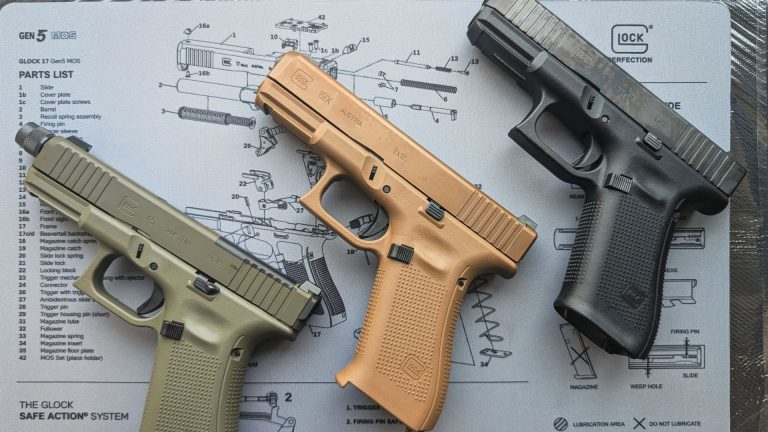
Not every accurate handgun wears a bull barrel and target sights. Some of the most widely carried defensive pistols have earned reputations for surprising precision. A detailed look at service pistols quotes Renowned firearms instructor and author Massad Ayoob saying, “The Glock 19 is one of the most accurate pistols on the market. Its compact size and balanced design make it ideal for self‑defense, competitive shooting, and duty use.” That assessment reflects how The Glock 19’s consistent trigger, low bore axis, and well supported barrel help it shoot tighter groups than many expect from a polymer carry gun, and it is why so many shooters trust The Glock 19 as both a defensive and training pistol.
Reliability and accuracy often travel together in these designs. A breakdown of The Most Reliable Handguns lists Glock (G17, G19), SIG Sauer (P226, P229), and Heckler & Koch models as standouts, explaining that their track records come from robust engineering and quality control. The same guide, organized under sections like Jump To and What Makes a Gun Reliable, underscores that a pistol which feeds and fires every time also needs to put rounds where the sights indicate. That is why many instructors steer new shooters toward a Glock or SIG when they want a handgun that can serve for both defensive carry and practical competition without sacrificing precision.
What separates “most accurate” hunting rifles in independent tests
Independent testing is where marketing claims meet reality. When multiple evaluators shoot the same rifles with a variety of loads, patterns emerge about which models consistently deliver tight groups. One extensive test of factory hunting rifles, framed as Top Picks, highlights the Seekins Precision Havak Pro Hunter Rifle as a leader, with groups that rival custom builds. The same evaluation notes that the rifle was tested with popular cartridges like 6.5 Creedmoor and that its performance held up across different loads, reinforcing the idea that the underlying action and barrel quality are doing the heavy lifting.
Another detailed rundown of Top Contenders for the Most Accurate Hunting Rifle again points to the Seekins Precision Havak Pro Hunter, repeating that The Seekins Precision Havak Pro Hunter offers a rare combination of field weight and benchrest‑level precision. These lists also include more mainstream options, and when they overlap with other reviews that praise the Seekins Precision Havak, Ruger American Predator, and Browning X‑Bolt, it suggests that certain design choices, like rigid stocks and quality triggers, are reliably translating into better accuracy for hunters in the real world.
From bench to field: translating tiny groups into hits on game
There is a difference between a rifle that prints bug‑hole groups from a bench and one that helps a hunter make clean shots from improvised positions. Field testing shows that while mechanical accuracy matters, shooter skill and stability are just as important once you leave the range. A comparison of bolt guns and AR‑style rifles for predator hunting notes that That’s a fact when it comes to benchrest differences, but in real Yet field positions, off sticks or a bipod, the gap between platforms can shrink because wobble and wind call errors dominate.
Even so, starting with a mechanically precise rifle gives the shooter more margin for error. When a gun is capable of sub‑MOA groups, any miss in the field is more likely to be the result of position, trigger control, or range estimation, all of which can be trained. That is why many hunters invest in accurate rifles like the Top Contenders for and then spend time practicing from realistic positions, rather than chasing ever smaller benchrest groups alone.
Why accuracy reputations matter to shooters
Reputations for accuracy do not form overnight. They are built as thousands of shooters take rifles and pistols into the field, onto ranges, and into competitions, then compare notes. When a cartridge like Creedmoor keeps showing up in long‑range matches, or when a pistol like The CZ Shadow 2 dominates production divisions, it signals that these platforms give shooters a measurable edge. The same is true when instructors like Massad Ayoob publicly praise the Glock 19’s precision, or when hunting tests repeatedly crown the Seekins Precision Havak Pro Hunter and Ruger American Predator as standouts.

Leo’s been tracking game and tuning gear since he could stand upright. He’s sharp, driven, and knows how to keep things running when conditions turn.