Discontinued firearms that quietly turned into collector favorites
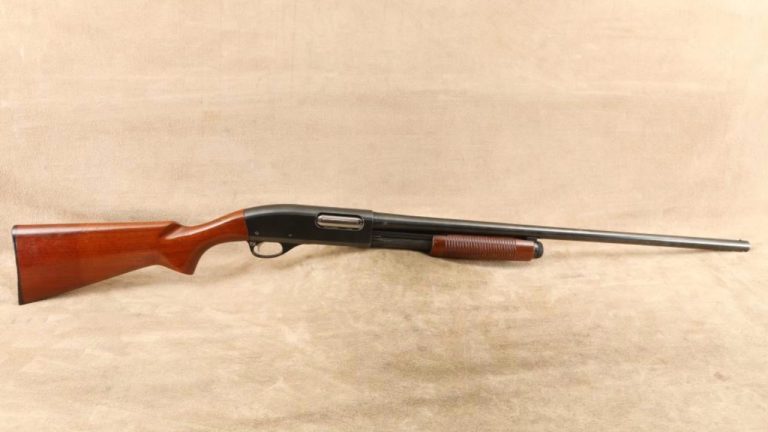
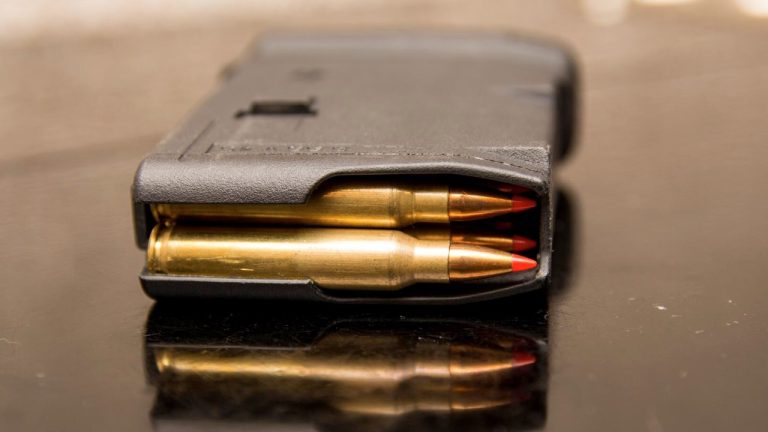
Some of the most coveted guns in today’s safes are not the latest polymer pistols or factory-custom rifles, but models that quietly slipped out of production before the market caught up to their appeal. As prices for classic designs climb and nostalgia deepens, discontinued firearms that once gathered dust in display cases are now treated as blue-chip assets and pieces of industrial history. I see that shift most clearly in the way collectors talk about missed chances, rising auction results, and a handful of quirky designs that have become cult favorites long after the last one left the factory.
Why discontinued guns become sleeper collectibles

When a manufacturer ends a production run, it often freezes a design in time, turning a working tool into a finite resource. Collectors gravitate to models that were genuinely useful, interesting, or ahead of their era, which is why Collectors tend to regret the ones they passed over that offered real innovation rather than just cosmetic tweaks. That regret is sharpened by a market where discontinued models that once sold at ordinary retail now command premiums, especially when they combine distinctive engineering with limited supply.
Rising values for older designs show how quickly a “used gun” can become a prized artifact. Recent data on Collectible Military Gun shows M1 Garands, K98 rifles, and combat shotguns climbing dramatically, a reminder that once-common service arms can become blue-chip collectibles when supply is fixed and demand keeps rising. That same dynamic now plays out with discontinued civilian models, where the right combination of history, performance, and scarcity can quietly turn an overlooked firearm into a long-term store of value.
FS2000 and the cult of the clever design
Few modern rifles illustrate the “late-blooming” collectible better than the FNH FS2000, a bullpup that looked futuristic even by contemporary standards. Enthusiasts now single it out as a favorite partly because of its unusual forward ejection system, which routes spent cases away from the shooter’s face and makes the rifle friendlier to left-handed users. In one discussion of discontinued models, a user described the FNH FS2000 as “probably my favorite bullpup ever made” and praised that “really cool forward ejection system,” a sentiment that captures how engineering quirks can become selling points once a gun is no longer made.
That kind of affection is not just about looks or novelty, it is about a design that solved real problems in a way the market did not fully reward at the time. The FS2000’s compact layout, ambidextrous handling, and distinctive ergonomics now stand out in a crowded field of AR variants, which helps explain why surviving examples trade at a premium compared with more conventional rifles from the same period. When I look at how owners talk about the FS2000 today, it reads less like chatter about a discontinued product and more like a fan club for a short-lived experiment that proved its worth only after it disappeared from catalogs.
Ruger carbines and the “I should have bought one” effect
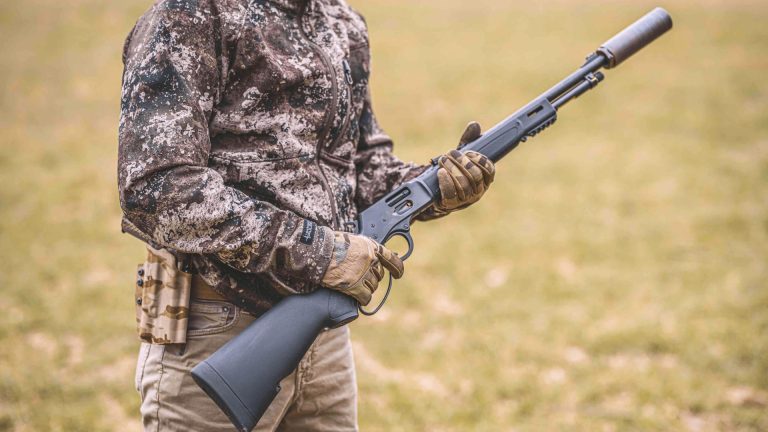
On the long-gun side, the Ruger Model 44 carbine is a textbook case of a practical firearm that turned into a collector favorite almost by accident. Originally marketed as a handy semi-automatic in .44 Magnum for woods carry and deer hunting, the Ruger Model 44 carbine was once just another working rifle. As production ended and newer designs took over the market, owners who had used them hard in the field began to realize that the combination of compact size, classic styling, and big-bore punch was not being replicated by current offerings.
That realization has fed a wave of hindsight among hunters and collectors who now say they wish they had bought or kept more of these carbines when they were inexpensive and plentiful. The broader market context matters here too, because the firearms market is constantly evolving and, as one analysis of discontinued models put it, Sometimes even beloved models disappear despite strong followings. The Ruger Model 44 carbine now sits in that category, a once-ordinary rifle that has become a touchstone for a generation of shooters who now have to pay collector prices to recapture a piece of their own history.
Compact classics: SIG, CZ and the underrated handgun boom
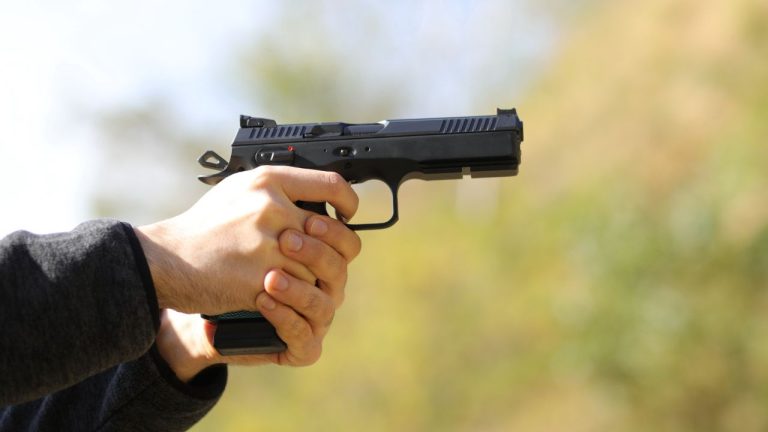
Discontinued handguns often take longer to be recognized as collectibles, especially when they were marketed as everyday carry tools rather than prestige pieces. Yet some of the most passionate nostalgia I encounter is for compact pistols like the SIG P225 and P239, which one enthusiast described as “Two of my all time favorites” and praised in Two of the P225 and P239 “in all three calibers.” Those models offered a blend of shootability and concealability that many owners now feel is missing from newer, thinner designs that prioritize capacity over ergonomics.
At the same time, the market has started to re-evaluate other underappreciated pistols that are still available but no longer in the spotlight. A recent rundown of the Most Underrated Handguns Defense highlighted The CZ P07 and P09 as examples of designs that quietly excelled when CZ attempted to get into the polymer duty pistol space. Even where production continues, that kind of “sleeper” status often foreshadows future collectibility, because once a model is dropped, the small but devoted user base tends to chase down the remaining examples and drive prices up.
From workhorse to museum piece: revolvers, rifles and the Wild West mystique
Some discontinued firearms never really left the public imagination, they simply shifted from working tools to cultural icons. The Colt Single Action Army is a prime example, a revolver Known as “The Peacemaker” that became a symbol of the Wild West. One such icon is the Colt Single Action Army, and Its enduring appeal shows how association with frontier history can keep a discontinued design at the top of collectors’ wish lists even as modern revolvers surpass it in performance.
That same blend of history and mechanical charm drives demand for other classic models that have either ended production or shifted into limited runs. A survey of essential collector pieces highlights the Winchester Model 70 and lists Firearm, Type and Notable Features such as Reliability, Accuracy and Customization options, alongside revolvers like the Smith & Wesson 29. As classic firearms, Their distinctive design and craftsmanship make them more than just tools, a point underscored by one seller that notes Their status as pieces of history that appeal to collectors and museum curators alike.
Value, regret and the economics of “never sell” guns
Behind the nostalgia is a hard financial reality: some discontinued firearms simply hold value better than others. Auction specialists point out that for collectors, enthusiasts and investors, understanding which guns preserve their value leads to smarter purchases, and they emphasize factors like brand reputation, limited production and historical significance when explaining which guns hold their value best. A separate guide for buyers echoes that logic, noting that certain categories, from classic service pistols to limited-run sporting rifles, tend to outperform the broader market over time, especially when they are no longer in production.
Owners who part with those guns often find themselves looking back with frustration. A widely shared video titled NEVER Sell These Guns, You will Kick Yourself Later Some, frames certain models as “never sell” assets, including collector icons like the Colt 1911. That sentiment is not limited to high-end pieces, either. In one discussion, a user posting as Murphy338 answered the prompt “What is a discontinued firearm you’d like to have but probably never will?” by saying “Mine would probably be a Thompson,” a reminder that even mass-produced submachine guns can move out of reach once collector demand takes hold.
How online communities quietly rewrite the wish list
One of the biggest drivers of this shift from forgotten to coveted is the way enthusiasts talk to each other online. In a thread explicitly devoted to “discontinued but not forgotten” models, one user singled out the FNH FS2000 as a standout, praising its forward ejection system in detail. Elsewhere, the prompt “What is a discontinued firearm you’d like to have but probably never will?” sparked a long list of dream guns, with users repeating phrases like What, Question and Mine as they compared notes on everything from classic battle rifles to obscure rimfires, and more than one person echoing Murphy338’s choice of a Thompson. Those conversations do more than vent nostalgia, they help set informal rankings of which discontinued models are worth chasing.
At the same time, broader collecting trends in other categories are reinforcing the appeal of older, better-made goods. One antiques specialist, Hamilton, notes that However, it is not just about saving money, many consumers are discovering that the craftsmanship and durability of vintage items can surpass that of many modern, mass-produced alternatives, a point made explicitly in a discussion of However these trends affect buying habits. Firearms fit neatly into that pattern, with classic designs increasingly treated as heirloom-grade objects rather than disposable tools, a shift that online communities amplify every time a user posts a photo of a cherished discontinued pistol or rifle and sparks another round of “I should have bought one when I had the chance.”

Leo’s been tracking game and tuning gear since he could stand upright. He’s sharp, driven, and knows how to keep things running when conditions turn.