Firewood mistakes that can turn toxic fast
A good fire should warm your hands, not poison your lungs or coat your chimney in flammable sludge. The wrong log can do all three, turning a cozy night into a toxic mess faster than most people realize. If you burn wood at home or around camp, you need to know which firewood mistakes cross the line from inefficient to genuinely dangerous.
I have spent years heating with wood and watching others repeat the same errors, from tossing in pressure treated scraps to burning logs that are half compost. The patterns are clear: certain woods, and certain ways of storing and burning them, reliably create toxic smoke, heavy creosote, or both. Here is how to avoid the worst of it.
1. Why “any wood will burn” is a dangerous myth
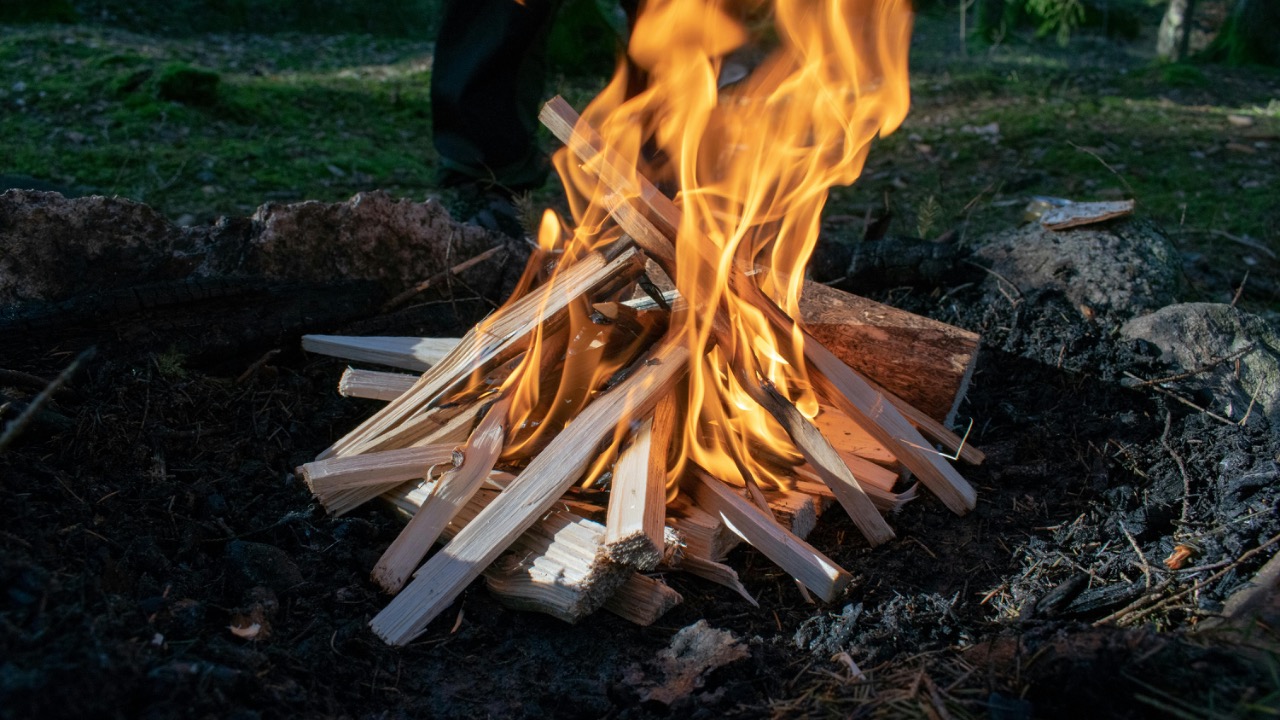
Plenty of people still believe that if it looks like wood and fits in the firebox, it is fair game. I hear the same line over and over: any dry log is fine. That casual attitude ignores how different species and treatments change what comes off the flames. When wood burns, it is not a simple physical change, it is a complex chemical reaction that breaks down resins, glues, paints, and preservatives into gases and fine particles that you then inhale, a point basic chemistry lessons underline when they explain that reversing the burning of paper or wood would take a long chain of reactions that does not happen in real life But for.
Once you accept that every log is a bundle of chemicals, it gets easier to see why some are far more hazardous than others. Pressure treated deck boards, painted trim, laminate flooring and glued furniture offcuts are loaded with compounds that were never meant to be combusted in a living room. Even natural plants can be a problem, because Beautiful flowers and shrubs can carry toxins that are harmful or capable of causing highly allergic reactions when burned, as toxicology reviews of poisonous plants point out Beautiful. Treat every log as a potential chemical source, not a neutral stick, and your risk drops fast.
2. Wet, green and “dirty” wood: how moisture turns smoke toxic
The most common mistake I see is people trying to heat with wet or green wood. Freshly cut Green Wood is loaded with moisture, so instead of burning hot and clean it smolders, sending unburned particles and vapors up the flue and into the room Green Wood. Firewood suppliers warn that Mistake 1 for stove owners is Buying wet logs instead of kiln dried logs, because unseasoned wood is hard to light, wastes heat boiling off water, and leaves heavy deposits behind Mistake. Another guide lists Mistake #5 as You Burning Wet or Poorly Stored Wood, which lines up with what I see in smoky cabins every winter Mistake.
Fire departments have been blunt about what that means for your lungs and your chimney. One safety bulletin notes that Burning wood that is not properly seasoned will increase the amount of dangerous creosote buildup in your stovepipe or chimney, and that this is rarely a good idea in any fireplace or wood burner Burning. Even if the wood is technically seasoned, “dirty” logs caked in mud, oil or yard debris behave the same way, clogging the flue and throwing off harsh smoke. In one community discussion, experienced burners advised steering clear of pressure treated scraps and filthy boards because they dirty up your chimney and change the way it burns, making the fire less efficient and more hazardous Sep. If your fire hisses, bubbles at the log ends, or coats the glass in tar, you are not just wasting wood, you are loading your home with pollutants.
3. Treated, painted and construction wood: toxic by design
The worst mistake I see, especially in garages and hunting cabins, is feeding the stove with construction scraps. Pressure treated deck boards, painted trim and furniture offcuts are engineered with chemicals that behave very differently in a fire than plain cordwood. One detailed list of Things You Should Never Burn in Your Fireplace singles out Treated or Painted Wood, warning that painted lumber and similar materials can release toxic compounds when burned indoors GETTY. Another safety guide repeats the warning, stating plainly that Treated or Coated Wood should never go in a fireplace because burning coated or pressure treated wood can release toxic chemicals into the room Photo.
Manufacturers and stove specialists echo that advice. One overview of What Wood to Burn lists Treated Wood as toxic and puts it in the group of worst options for your burner, right alongside wet logs and other problem fuels What Wood. Another guide on what not to burn in a wood burner says Never burn treated or painted wood because the preservatives and coatings can damage the stove, increase maintenance costs and reduce efficiency, on top of the health concerns Read. Even seasoned woodstove users on forums agree that the Worst wood you can burn is pressure treated or painted wood, despite the temptation to toss in free offcuts You. If it has been milled, glued, coated or preserved, it belongs in the landfill or recycling stream, not your firebox.
4. Driftwood, softwoods and resin bombs in the firebox
Even natural logs can turn nasty when they have spent time in the wrong place or come from the wrong species. Driftwood is a prime example. One technical guide on What Type of Wood Should You NOT Burn explains that Driftwood, which has been washed onto the shore of a body of water, often soaks up salts that release corrosive and potentially toxic fumes when burned in a stove or fireplace What Type of. A separate rundown of Types of Wood You Shouldn Burn also lists Driftwood among the nine kinds of firewood not to burn, putting it in the same risk category as Green Wood and Pine Wood because of the way it smokes and fouls equipment Types of Wood.
Softwoods like Pine Wood are not inherently poisonous, but their high resin content can create problems when burned in a tight stove or chimney. That same list of firewood not to burn flags Pine Wood because it tends to pop, throw sparks and leave sticky deposits that build up quickly in flues Oct. A broader Firewood Guide that compares Best and Worst wood types notes that if you are going to cook over wood fire, the absolute best is oak, then mesquite, alder and hickory, then fruit trees like cherry, which all burn hotter and cleaner than sappy softwoods Oct. I still use pine for kindling outdoors, but for serious heat in a chimneyed system, hardwoods are the safer long term choice.
5. Rotten, mouldy and fungus covered logs
Another mistake that turns up in woodpiles is hanging on to logs that have clearly gone past their prime. Firewood, like any natural material, is subject to degradation if exposed to moisture and insects for too long, and one detailed guide on storage bluntly asks Can Firewood Go Bad before explaining that yes, it can, especially when it starts to rot or grow fungus Can Firewood Go. Rotten wood is less dense, which means it produces less heat, and it tends to crumble into ash and smoke instead of coaling nicely. A list of firewood not to burn points out that Rotten wood is less dense and often harbors pests, so it is a poor fuel and a good way to bring insects closer to your home Burn.
The health angle is even more important. A detailed warning on wood types you should never burn notes that Breathing in smoke from mouldy or fungus covered wood can cause lung irritation and severe allergic respiratory problems, citing guidance from the Centres for Disease Control and Prevention on how fungal spores affect airways Breathing. Another guide on Why It Matters to avoid Burning the Wrong Wood highlights Mouldy or Fungus Covered Wood as a category that can release extra spores and toxins when ignited, turning your living room into a low grade smoke test for anyone with asthma or allergies Why It Matters. If a log is soft, punky or speckled with mushrooms, I leave it for the compost pile, not the stove.
6. Poisonous plants and “free” brushwood
When people run low on split logs, they start eyeing the brush pile. That is where the risk of poisonous plants sneaks in. Outdoor safety discussions have documented that some wood sources create toxic smoke or fumes, and one widely cited breakdown lists Oleander and Rhododendron among the plants that release dangerous compounds when burned, along with Poison Ivy whose smoke can cause severe reactions in the lungs and on skin Answers. That lines up with broader toxicology work showing that All types of native and introduced plants can be poisonous, including shrubs and vines that look harmless until they are burned and inhaled All.
Even brush that is not outright poisonous can be a problem if it is loaded with pollen or other allergens. One list of Things You Should Never Burn in Your Fireplace calls out Allergen producing brushwood as a category to avoid, because burning it can throw a concentrated cloud of irritants into the room Allergen. A separate rundown of common wood types to avoid reinforces that point by warning that smoke from certain species can cause lung irritation and severe allergic respiratory problems, again referencing guidance from the Centres for Disease Control and Prevention on respiratory hazards Centres for Disease. When I am cleaning up a property, anything that looks like ornamental shrub, vine or mystery brush stays out of the woodpile unless I can identify it with certainty.
7. Creosote: the invisible byproduct that burns your house down
Even if your wood is technically “safe” from a toxicity standpoint, the way you burn it can create a different threat. Creosote is a black or dark brown byproduct of slow burning or lower temperature wood that condenses inside chimneys and flues, and one technical explainer on What Creosote and Why Should you Care describes how it forms when smoke cools and deposits tar like material on the walls of your system What. Contrary to popular opinion, the same source notes that a hotter, more intense fire with dry fuel actually produces less creosote than a smoldering one, because more of the gases are burned before they hit the chimney Creosote.
Fire departments have connected the dots between poor fuel choices and this buildup. The Oklahoma City Fire Department, for example, has warned that Burning wood that is not properly seasoned will increase the amount of dangerous creosote buildup in your stovepipe or chimney, and that this is rarely a good idea in any fireplace or wood burner Jan. Guides on log burning mistakes add that Improper Wood Stove Maintenance, such as skipping regular sweeps, compounds the problem created by Burning Wet or Poorly Stored Wood, which is why they rank those behaviors among the top five errors people make with their stoves You. I have seen flues so choked with creosote from smoldering fires that a single spark could have turned the whole chimney into a Roman candle.
8. Seasoning, storage and choosing the right species
9. A quick field checklist before you strike a match

Leo’s been tracking game and tuning gear since he could stand upright. He’s sharp, driven, and knows how to keep things running when conditions turn.