States with reputations hunters quietly warn about
Every state has a hunting story it tells the world, and another one that gets traded in camp chairs and tailgates. Some places look like dream destinations on a map, then turn into headaches once you start dealing with access rules, politics, or plain old safety. Over years of chasing seasons around the country, I have heard the same quiet warnings about a handful of states, not because they are bad places to hunt, but because the fine print can catch you off guard if you are not paying attention.
What follows is a look at those reputations, built from the way land is owned, how game is managed, and how non‑hunting laws bleed into the field. None of this is about blacklisting a state. It is about understanding the tradeoffs before you burn vacation days and fuel money getting there.
When a “hunting state” is mostly private: the Texas reality check

On paper, Texas looks like a hunter’s dream, with whitetails, hogs, and a long tradition of gun culture. The catch is how little of that landscape is open to you if you do not have a deed or a lease. State reporting notes that in a state where 95 percent of land is privately owned, the future of wildlife depends heavily on private stewardship. That same structure means a nonresident who grew up on national forest can feel like he has hit a wall of locked gates and “no trespassing” signs the first time he hunts the Lone Star State.
Leases and day hunts fill the gap, but they change the culture. As one Texas writer put it, once a family locks in a good lease, They rarely give it up and the price can climb fast. That is great if you are the one holding the lease, less great if you are the new guy trying to break in. I have watched more than one young hunter decide to spend his limited budget on a western over‑the‑counter elk tag instead of paying to sit a feeder in Texas, not because the hunting is worse, but because the buy‑in feels more like a country club than public land.
Florida’s crowded woods and culture clashes
Florida has a strong hunting tradition tucked in between beaches and subdivisions, and the state’s mix of swamps, pine flatwoods, and agricultural land gives hunters a surprising amount of opportunity. The challenge is that the same growth that turned Florida into a booming Sun Belt magnet has also squeezed habitat and pushed more people into the same woods. On public land, that can translate into crowded parking lots, bumped deer, and a level of pressure that makes every legal buck feel hard earned.
Those tensions show up in policy fights too. In HAVANA, Florida, the state wildlife commission voted on a Wednesday to allow the state’s first bear hunt in a decade, a move that drew immediate promises of legal challenges from opponents who argued over science and process in HAVANA, Florida. A related report on the same decision described how that Wednesday vote in HAVANA, Florida, became a flashpoint for activists who saw the hunt as a test case for future rules, with both sides eyeing procedural issues in state wildlife decisions. When a bear season turns into a courtroom battle, hunters notice, and many start to wonder how stable their opportunities really are in a fast‑changing state.
Colorado’s backcountry pressure and safety concerns
Plenty of hunters still circle Colorado on the map as their first western elk or mule deer trip, and for good reason. The state has big country, decent access, and a long history of welcoming nonresidents. But the pressure is real. One longtime mule deer observer wrote that Impacts Come in Many Forms Right now, I think it is safe to say that the good ol’ days are not ahead of us, as he walked through how growth, recreation, and other factors hit Impacts Come for deer herds. When the guy who has watched a unit for decades says the trend line is rough, I pay attention.
Safety is another quiet concern. A local driver laid out nine of the most dangerous roads in Colorado, explaining that Each of those routes has a specific reason it has proven dangerous in recent years, from steep grades to unpredictable weather in Each case. Add in the culture clash that can flare when gunfire and trail users mix, like the rider from Woodland Park, Colo., who described a nearby forest as “a war zone” while talking with Paul Magnuson, and you start to see why some hunters quietly warn newcomers to be extra careful about where and how they shoot in the high country.
New Jersey: underrated game, overcomplicated politics
New Jersey rarely shows up on bucket‑list hunting threads, but the state has more going on than outsiders realize. With its mix of suburbs, farms, and wetlands, New Jersey holds solid deer numbers and sits on a major flyway. One access platform notes that Hunting is also popular in New Jersey with deer being the most sought‑after game during fall season, and that Birdwatchers flock to the same state because it sits on the Atlantic Flyway with over 400 bird species recorded in Hunting. That is not the picture most nonresidents have in their heads when they hear “Jersey.”
The headaches come from the rulebook and the politics around it. One overview points out that with its New Jersey diverse landscapes and abundant wildlife, New Jersey boasts some prime hunting opportunities, Yet the state’s patchwork of regulations makes it crucial to study the details before you hunt in New Jersey. At the same time, a policy group describes Regulatory Reform New Jersey ( The Garden State ) as having one of the most burdensome regulatory environments in the nation, which lines up with what I hear from locals who juggle seasons, zones, and weapon restrictions in Regulatory Reform New. Layer on a recent story framed around a State Notorious for Scandal, Corruption Fighters Are Targeted, detailing how anonymous mailers went after officials in State Notorious for, and it is no surprise that some hunters feel like their seasons are tied to a political roller coaster.
Bear politics and council power in the Garden State
New Jersey’s bear debate is a case study in why some hunters are wary of the state. A recent court decision confirmed that the state’s game council retains its authority to regulate hunting seasons, including the controversial bear hunt, which has been a lightning rod in New Jersey State. For hunters, that ruling looked like stability, at least for now. For opponents, it was a sign that they would have to keep fighting in the courts and the legislature instead of simply leaning on the governor’s office.
That tug‑of‑war plays out against a broader backdrop of state‑local power struggles. One national analysis notes that Part One Summary The last decade has seen a sharp uptick in state legislation to override or ban future local ordinances and regulations, a trend that affects everything from wages to environmental rules in Part One Summary. When you combine that kind of preemption with a state already known for hardball politics, it is easy to see why some hunters quietly warn that New Jersey can be a rewarding place to hunt, but you had better keep one eye on Trenton while you are glassing.
Washington’s privacy fights and the chill on nonresidents
Far across the country, Washington has its own reputation that makes some hunters hesitate. The state’s mix of coastal rainforest, wheat country, and high desert gives it a lot of potential, and the basic geography of Washington is a selling point all by itself. But the politics around privacy, immigration, and law enforcement can bleed into how comfortable visiting hunters feel, especially those who are not citizens or who travel with family members who are not.
One recent fight centered on a new “safety” bill that critics said would quietly turn parts of the state into warning zones for immigration enforcement. Supporters pushed back, and Democrats claim the bill is necessary to protect privacy and safety, arguing that limiting data sharing would keep vulnerable communities from being targeted in Democrats. A separate write‑up of the same debate described how Democrats claim the bill is necessary to protect privacy and safety, but opponents warned it could create de facto ICE warning zones in safety. For most hunters, that may never touch a day in the field. But for some families, the idea that a wrong turn or traffic stop could raise immigration questions is enough to steer them toward other states.
Trespass, rail lines, and the hidden safety risks
Access headaches are not limited to any one state, and some of the most serious risks have nothing to do with game laws. Federal safety officials point out that Trespassing is the leading cause of rail-related deaths in the United States, and that Nationally, more than 500 trespass fatalities occur each year when people walk or drive where they are not supposed to be in the Trespassing category. That matters to hunters because rail corridors often cut through otherwise locked‑up habitat, and the temptation to “slip down the tracks” to reach a spot is real. I have heard more than one old‑timer admit he used to do it, then stopped after seeing what a train can do to a pickup.
State agencies have been warning hunters about this for years. One Midwestern department bluntly titled a bulletin TRESPASSING HURTS HUNTERS and reminded folks that Sometimes, trespassing is accidental, but in many cases it is intentional, and that Because trespassing harms landowner-hunter relations, everyone needs to be aware of the following trespass issues in Sometimes. When you combine that with the rail fatality numbers, it is clear why some states and local sheriffs have a hair‑trigger response to anyone cutting fences or walking rights‑of‑way. The reputation that grows out of that is simple: if you are not absolutely sure you are legal, do not step there.
Public land pressure, roadless fights, and lead‑ammo politics
Even in states with plenty of public ground, hunters quietly warn each other about crowding and policy fights that can change access overnight. One hunting site spells out a basic truth: Con, the downside of public land is that it can be overcrowded and hard to hunt because so many hunters push out the animals, especially in easy‑access units during peak seasons in Con. I have seen that play out on opening morning when the third truck pulls into a trailhead before daylight and every elk in the basin seems to know it.
Policy fights add another layer. One conservation group urged hunters to weigh in on federal roadless rules, noting that They do not have the luxury of time to hike back in and camp for a week, and urging readers to Focus on making it nice for the hunters who hunt closer to the road in They. At the same time, The Fish and Wildlife Service signaled that it could defer to state policies when deciding whether to ban lead ammunition and fishing tackle at federal wildlife refuges, a move that would leave lead rules up to local politics in Fish and Wildlife. A related report on the same proposals explained that The Fish and Wildlife Service indicated it could defer to state policies when deciding whether to ban lead ammunition and fishing tackle at federal wildlife refuges, rather than imposing a blanket national rule in lead ammunition. For traveling hunters, that means the rules on bullets and access can change every time you cross a state line, and the only safe assumption is that you need to read the latest regulations before you load the truck.
Patchwork rules, HOAs, and the suburban squeeze
How to read the warning signs before you go
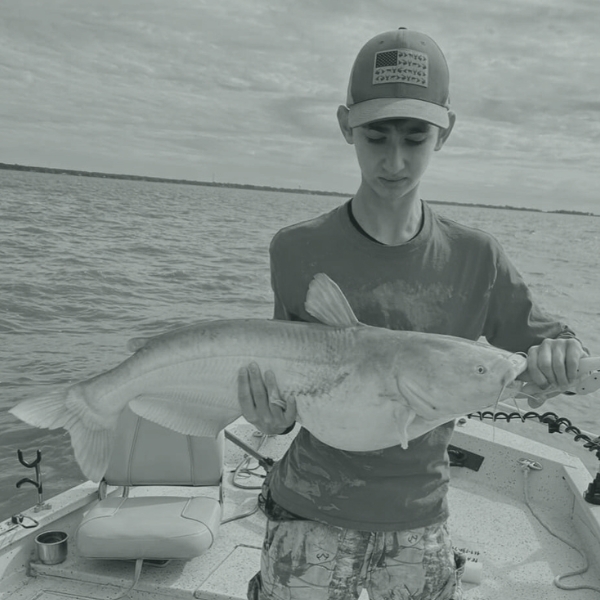
Leo’s been tracking game and tuning gear since he could stand upright. He’s sharp, driven, and knows how to keep things running when conditions turn.