Fishing habits that quietly ruin your catch rate
Fishing has a way of humbling you. One day you feel locked in, reading water and timing bites. The next, you’re standing there wondering why nothing’s happening while everyone else seems to be connecting. Most slow days aren’t bad luck. They’re small habits you don’t notice anymore, the kind that quietly stack the odds against you. These mistakes don’t scream for attention. They creep in through routine, comfort, and assumptions that stopped being true a long time ago. Clean those up, and your catch rate usually climbs without changing rods, boats, or secret spots.
Fishing the same water the same way every trip
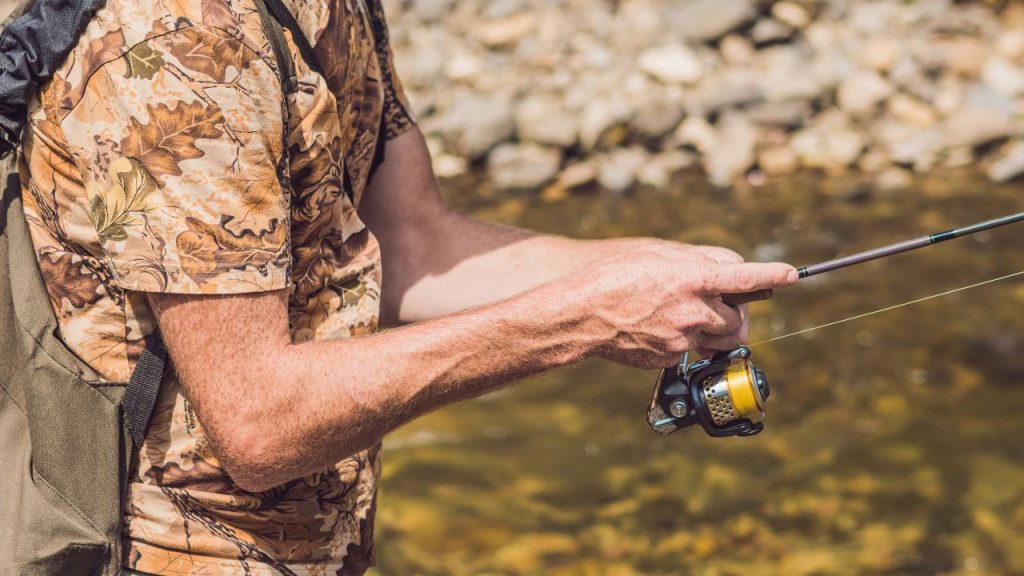
Familiar water builds confidence, but it can also trap you. Fish don’t follow your habits, yet many anglers repeat the same casts, angles, and retrieves every outing. Pressure changes fish behavior fast, especially on popular water. What worked last month might now be the least productive option available. Fish slide deeper, tighter to cover, or shift feeding windows without much warning.
You need to force small changes. Adjust where you stand, vary your retrieve speed, or hit sections you usually skip. Even a different casting angle can turn a dead stretch into a productive one. Sticking to routine feels efficient, but it often blinds you to what the fish are doing right now.
Ignoring line condition and diameter
Line is easy to forget until it costs you fish. Nicks, coils, and memory affect casting distance, lure action, and hooksets more than most anglers realize. Heavier line than necessary also kills bites, especially in clear water or pressured fisheries. Fish see it, feel it, and shy off faster than you think.
Checking your line should be automatic. Run your fingers along it, retie more often, and size down when conditions allow. Lighter, fresh line lets your bait behave naturally and gives you better sensitivity. You don’t need to baby it, but ignoring it quietly stacks the deck against you every single cast.
Moving too fast through productive water
Covering water matters, but blowing past fish matters more. Many anglers fish on autopilot, casting and reeling at a pace that never changes. That speed often comes from habit, not from what the conditions call for. Cold water, heavy pressure, or neutral fish usually demand patience you don’t want to give.
Slowing down doesn’t mean dragging everything. It means letting baits work, pausing longer, and paying attention to how fish react. When you rush, you don’t notice short strikes, follows, or subtle changes. Those clues tell you how to adjust. Fish don’t always chase. If you won’t slow down, you’ll miss the ones that won’t.
Failing to adjust after missed strikes
A missed bite is information, but many anglers treat it like bad luck. They make the same cast, same retrieve, same hookset, and expect a different result. Fish that swipe and miss are telling you something. The bait size, speed, or hook exposure isn’t quite right.
Instead of forcing it, make a small change. Slow down, speed up, trim a trailer, or switch hook styles. Sometimes all it takes is a pause after the strike. Fish rarely miss for no reason. When you ignore those clues, you burn opportunities and convince yourself the bite is gone when it’s still happening.
Letting noise work against you
Noise isn’t always bad, but careless noise costs fish. Dropping pliers, slamming hatches, stomping banks, or running a trolling motor too aggressively pushes fish off shallow spots fast. This is especially true in clear, calm conditions where sound carries farther than you think.
Being quiet doesn’t mean sneaking around like a hunter. It means being aware. Ease into areas, control your movements, and manage boat positioning. Many anglers blame slow fishing on pressure or weather when it’s their own presence that spooked the bite. Quiet adjustments keep fish relaxed and willing to stick around.
Using the wrong hookset for the bait
Not every lure wants the same hookset, yet many anglers swing hard out of habit. That works for some techniques and ruins others. Treble-hook baits need steady pressure. Soft plastics often need a firm, controlled pull. Braided line changes everything again.
Matching your hookset to the bait and line improves landing ratios immediately. Overpowering small hooks tears them out. Hesitating with single hooks misses fish clean. Think about how the bait is built and how fish take it. The hookset shouldn’t be automatic. It should match what’s tied on the end of your line.
Fishing past prime windows without adjusting
Fish feed in windows, not on your schedule. Many anglers stay locked into one approach even as conditions shift. Light changes, wind picks up, or water warms, yet the presentation stays the same. The bite fades, and frustration replaces curiosity.
Recognizing transitions matters. When activity slows, change depth, bait profile, or location before assuming the fish shut down. Often they’ve just moved or adjusted feeding style. Staying flexible keeps you connected through the day instead of riding one short bite window and missing everything that follows.
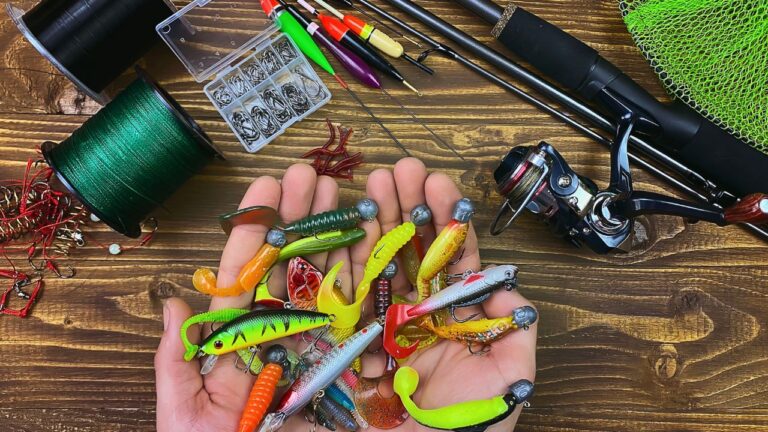
Carrying too much gear and overthinking choices
More gear feels prepared, but it often leads to decision paralysis. Standing over an open tackle box full of options burns time and confidence. You second-guess choices instead of committing to what fits the conditions in front of you.
Simplifying sharpens focus. Pick a handful of tools that cover water, depth, and mood. Learn them well. Confidence catches fish, and confidence fades when you constantly swap baits without reason. You don’t need everything you own. You need the right few and the discipline to fish them with purpose.
Ignoring wind direction and current flow
Wind and current position fish long before you arrive. Many anglers notice them but don’t use them. They cast randomly instead of working with how water moves bait and oxygen. Fish face into current and use structure to break flow, creating predictable holding areas.
Fishing against natural movement makes presentations look wrong. Casting with wind or current keeps baits in strike zones longer and moves them naturally. Even light wind matters. When you ignore it, you miss patterns that repeat all day and wonder why bites seem scattered instead of consistent.
Letting frustration change your mechanics
Bad stretches creep into your body language. You rush casts, lose accuracy, and set hooks early. Frustration tightens everything, from your grip to your patience. Fish sense erratic movement and unnatural presentations faster than you realize.
Resetting matters. Slow your breathing, make deliberate casts, and focus on execution instead of results. Good fishing mechanics don’t disappear, but frustration hides them. Staying composed keeps your bait working correctly and your reactions clean. Fish don’t care how long it’s been since your last bite, but your hands do.
Overlooking small structure changes
Big structure gets attention, but small changes hold fish. Slight depth shifts, isolated cover, or subtle bottom changes concentrate feeding fish longer than obvious spots. Many anglers fish right past these details because they’re focused on major features.
Paying attention to transitions sharpens your pattern. Watch how bites relate to tiny changes and repeat them elsewhere. Fish don’t need much to feel comfortable. When you ignore small structure, you fish a lot of water that looks good but holds nothing. Precision beats coverage more often than you think.
Leaving without learning from the day
The biggest habit that hurts catch rates happens after the last cast. Many anglers pack up without thinking about what worked, what didn’t, and why. Those lessons disappear by the next trip, and the same mistakes repeat.
Take a minute to reflect. Notice conditions, timing, depth, and bait choice. Even slow days teach you something if you pay attention. Improvement doesn’t come from one good outing. It comes from stacking small lessons over time. When you skip that step, progress stalls quietly, just like your catch rate.

Leo’s been tracking game and tuning gear since he could stand upright. He’s sharp, driven, and knows how to keep things running when conditions turn.