Five everyday items that could get more expensive if the Iran conflict continues
The fighting involving Iran is no longer just a distant geopolitical story. It is already rippling through energy markets and global shipping routes, and if it drags on, it could quietly inflate the price tag on everyday items in supermarket aisles, pharmacy shelves, and online carts. From fuel to food, and from smartphones to prescription drugs, households are likely to feel those costs long before they see the conflict on a map.
Analysts warn that pressure on oil flows, airspace and sea lanes around the Middle East is feeding into a wider surge in transport and production costs. That combination is exactly what tends to make familiar products more expensive, even when they are made far from the Gulf.
Gasoline and home energy

Fuel is the most direct channel from the Iran conflict into household budgets. Iran sits next to the Strait of Hormuz, a narrow waterway that carries a large share of the world’s seaborne crude, and any disruption there can jolt global benchmarks. Energy specialist Bob McNally, a former White House energy advisor to former President George W. Bush, has warned that if Iran restricts traffic through the strait, crude oil futures could spike sharply and even raise the risk of a global recession, a scenario that would quickly filter into gasoline prices at the pump.
Drivers are already being told to brace for higher prices as crude markets react to the latest escalation, with some forecasts pointing to average U.S. gasoline costs climbing toward $3.50 per gallon this spring if tensions persist. Analysts tracking Iran and regional shipping note that even modest supply disruptions can amplify price swings when inventories are tight. The impact will not stop at car owners: higher diesel prices raise the cost of trucking goods across countries, and more expensive jet fuel pushes up airline operating costs that often show up later in ticket prices.
Household energy bills are also exposed. Many power plants and home heating systems still rely on oil or natural gas, and when oil benchmarks jump, they tend to drag other energy contracts with them. Research on the broader Middle East conflict indicates that the rising cost of oil is already feeding into inflation expectations, which can influence everything from central bank decisions to the cost of long-term fixed energy contracts for utilities that serve residential neighborhoods.
Groceries and everyday food staples
Food prices rarely move in isolation, and the Iran conflict is adding strain to an agricultural system that has already been hit by climate shocks and earlier wars. Grocers that source products globally are watching shipping routes around the Middle East closely, since delays and detours raise freight bills for everything from coffee beans to canned tomatoes. Analysis of the war in the Middle East and its effect on the global grocery industry notes that shoppers are likely to see higher shelf prices as feed costs, fertilizer expenses and transport charges climb together.
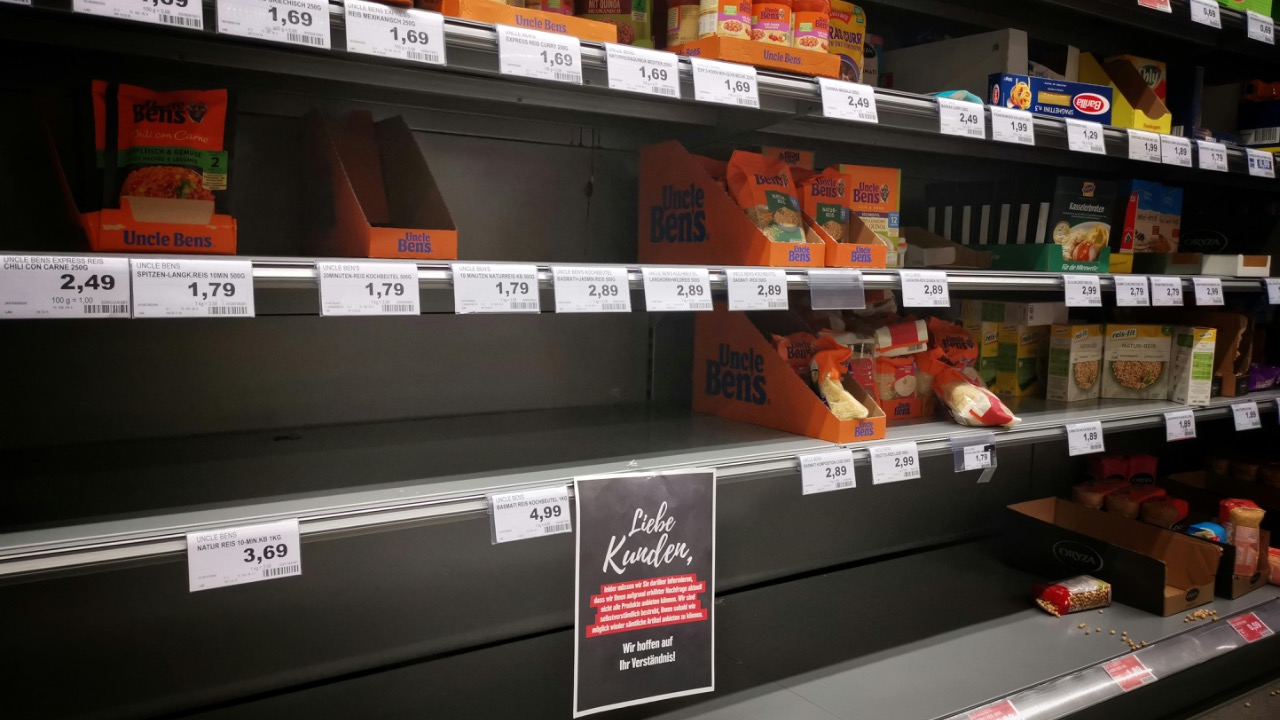
The impact can show up in subtle ways first. Supermarkets might shrink promotional discounts on items like cooking oil, rice or breakfast cereal, or quietly swap in cheaper house brands when imported labels become too expensive to stock. Experts following Top international trade point out that oil price spikes and shipping disruptions are already pushing up the cost of moving refrigerated containers and bulk grains, which ultimately feeds into the price of meat, dairy and packaged foods. For households, the weekly grocery run is one of the first places where the conflict’s economic shock is likely to feel uncomfortably real.
Prescription drugs and over the counter medicine
Consumers often assume that medicine prices are driven mainly by domestic health policy, but the Iran conflict is exposing how globalized pharmaceutical supply chains have become. Industry specialists warn that key ingredients for prescription drugs and over the counter products travel through the Middle East on their way from factories to distribution hubs. Reporting on supply chain disruptions from conflict in Iran highlights that pharmaceuticals are among the products that could face delays as shipping companies reroute vessels and air cargo operators avoid contested airspace.
Healthcare logistics experts cited in coverage of supply chain disruptions explain that when drug makers have to pay more for expedited shipping or alternative routes, those costs are often passed along to wholesalers and eventually to patients. In some cases, hospitals and pharmacies may switch to substitute brands or generics if preferred products become scarce, but that flexibility has limits. If the conflict keeps constraining routes through the Gulf, insurers and pharmacy benefit managers could face higher reimbursement costs, which tends to show up later in insurance premiums and out-of-pocket co-pays for families.
The risk is not only higher prices but also localized shortages. Analysts tracking how the U.S. Iran conflict is reshaping global supply chains warn that healthcare faces particular exposure because many active ingredients are produced in a small number of plants. If those shipments are stuck in or near the Gulf for weeks, production lines in other regions can slow or stop. That scenario would leave some patients paying more for alternative treatments or traveling farther to find pharmacies with stock.
Smartphones, laptops and home electronics
From budget Android phones to premium laptops, modern electronics depend on complex chains that thread through vulnerable chokepoints. Computer chips, circuit boards and finished devices often move between Asia, Europe and the United States on routes that pass near the Middle East, and analysts warn that the Iran conflict is already causing delays for some cargoes. Reports on computer chips and emphasize that semiconductors are particularly exposed, since they require specialized handling and are often shipped by air, a mode that is sensitive to closed airspace and longer detours.
EV batteries and semiconductors for 2026 production have been reported stranded in the Gulf as companies scramble to redirect shipments. That bottleneck threatens to raise costs for smartphone makers, laptop brands and automakers that rely on just-in-time delivery models. Coverage of reshaping global supply notes that regional data infrastructure could also be affected, which would complicate cloud services that support everything from smart TVs to connected home devices. For consumers, that could translate into higher launch prices for new models, fewer discount sales on older inventory and longer waiting times for repairs that depend on imported parts.
Retailers are already signaling caution. Big-box chains that sell televisions, gaming consoles and tablets are reviewing their holiday season orders in case shipping times stretch out. If they decide to build more inventory as a buffer, they will tie up more cash in warehouses and face higher storage costs, which again can nudge retail prices upward. Online marketplaces may see more third-party sellers raising prices on popular gadgets if wholesale costs jump or if they anticipate shortages later in the year.
Air travel, delivery services and everything that ships
Even for people who never travel near the Middle East, the Iran conflict is changing the economics of getting around and getting things delivered. Air freight and passenger airlines were already dealing with closed airspace over Ukr before the latest escalation, and now carriers are navigating additional restrictions and risk zones. Reporting from Even before thepoints out that longer flight paths mean higher fuel burn and more crew hours, which directly increase operating costs. As airlines absorb those expenses, they often adjust ticket prices, baggage fees or route frequency.
Parcel carriers and e-commerce logistics providers are feeling similar pressure. Many express shipments move in the bellies of passenger jets, so when airlines cut or reroute flights, capacity for packages shrinks and prices rise. Analysts who study how the attack also emphasize that higher jet fuel and diesel prices raise the baseline cost of every mile flown or driven. That cost eventually shows up in surcharges on next-day delivery, higher subscription fees for services that promise free shipping, or minimum order thresholds that quietly creep upward.

Leo’s been tracking game and tuning gear since he could stand upright. He’s sharp, driven, and knows how to keep things running when conditions turn.