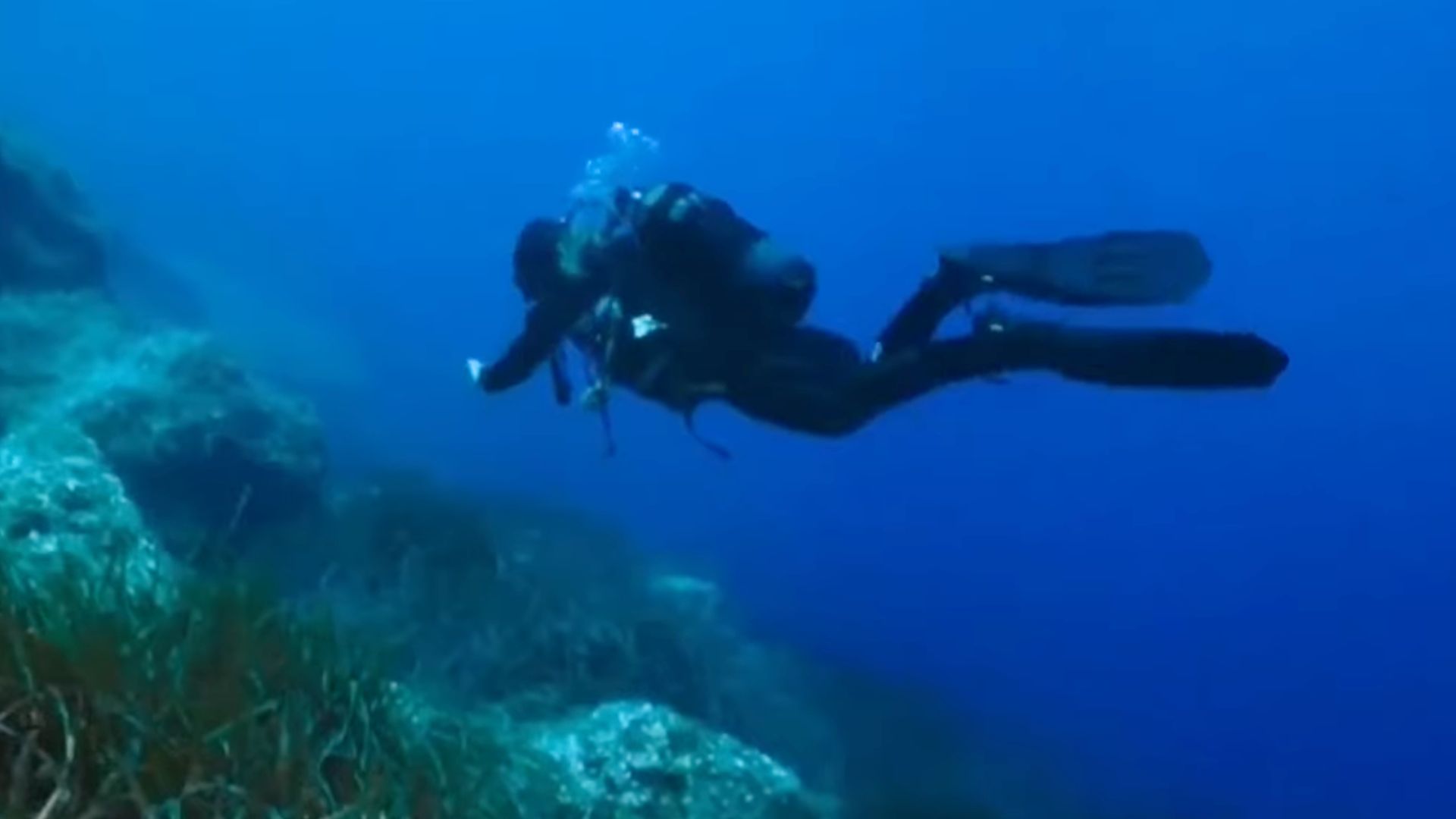
Five tourists die at 160ft depth during Maldives diving trip as mother and daughter victims named and police investigation launched
Five Italian tourists lost their lives during a scuba diving expedition in the Maldives, descending to around 160 feet in an underwater cave system within Vaavu Atoll. The group, which included a university professor, her young daughter, researchers, and an experienced instructor, set out from a liveaboard yacht on May 14 but never resurfaced. Authorities in both Italy and the Maldives have opened investigations into what went wrong in waters known for their beauty and hidden dangers.
This incident stands as one of the deadliest in the region’s diving history, prompting questions about deep cave exploration, equipment reliability, and the risks that come with pushing limits in remote ocean environments.
The Victims and Their Shared Passion
Monica Montefalcone, a marine biology professor at the University of Genoa, traveled with her 20-year-old daughter Giorgia Sommacal, who was also a student. They joined colleagues Muriel Oddenino and Federico Gualtieri, along with diving instructor Gianluca Benedetti. All brought significant experience and a deep interest in marine ecosystems to the trip.
Their backgrounds connected them through research and a love for the ocean. Colleagues described them as dedicated professionals who understood the underwater world well. Yet even with that preparation, the dive ended in tragedy, leaving families, friends, and the academic community in shock.
What Happened in Vaavu Atoll
The group boarded the Duke of York yacht and headed to a channel near Alimathaa island. They planned to explore a series of caves at depths exceeding typical recreational limits. Conditions in the Indian Ocean can shift quickly, with currents and visibility playing major roles in any deep dive.
Communication broke down after they entered the water. Search teams later recovered one body near the entrance, while the others remained deeper inside. Rough seas complicated immediate recovery efforts, turning the operation into a careful, extended process.
The Scale of the Rescue Operation
Maldivian authorities mobilized divers to locate the missing group. One local military diver, Staff Sergeant Mohamed Mahudhee, died from decompression sickness during the search, adding another layer of sorrow to the event. International experts, including teams from Finland, later joined to assess next steps.
Weather delays and the technical challenges of cave recovery at that depth slowed progress. Officials suspended parts of the search at times to protect team safety, highlighting how dangerous these efforts become in open ocean settings.
Possible Factors Under Investigation
Experts point to several elements that could have contributed, including potential issues with gas mixtures at depth, strong currents, or sudden panic in low-visibility conditions. Oxygen toxicity becomes a real concern beyond certain depths, especially in enclosed cave spaces.
Maldivian police and Italian officials continue gathering evidence. No single cause has been confirmed, but the probe examines equipment, planning, and environmental conditions that day. Such reviews often lead to broader discussions on safety standards for technical diving.
Reflections on Diving Risks in Paradise
The Maldives attracts divers worldwide for its reefs and clear waters, yet deeper cave systems demand specialized training and respect for limits. Recreational diving usually stays shallower for good reason. Incidents like this remind everyone that the ocean remains powerful, even in popular destinations.
Communities tied to marine science feel this loss deeply. The victims pursued knowledge and adventure in equal measure. Their story encourages careful thought about preparation and the boundaries we set when exploring underwater worlds.

Asher was raised in the woods and on the water, and it shows. He’s logged more hours behind a rifle and under a heavy pack than most men twice his age.