Home defense firearms that prioritize safety and control
Home defense is less about raw power and more about managing stress, space, and consequences. In tight hallways and dim rooms, the firearms that work best are the ones you can control without rushing, second-guessing, or fighting the gun itself. Weight balance, manageable recoil, clear controls, and predictable handling matter more than paper specs. You want something that stays steady when your heart rate spikes and your grip isn’t perfect.
The guns below earn their place because they help you stay deliberate. They encourage measured handling, reduce unnecessary risk, and give you feedback you can trust. That kind of control is what keeps small problems from becoming big ones.
Ruger SP101
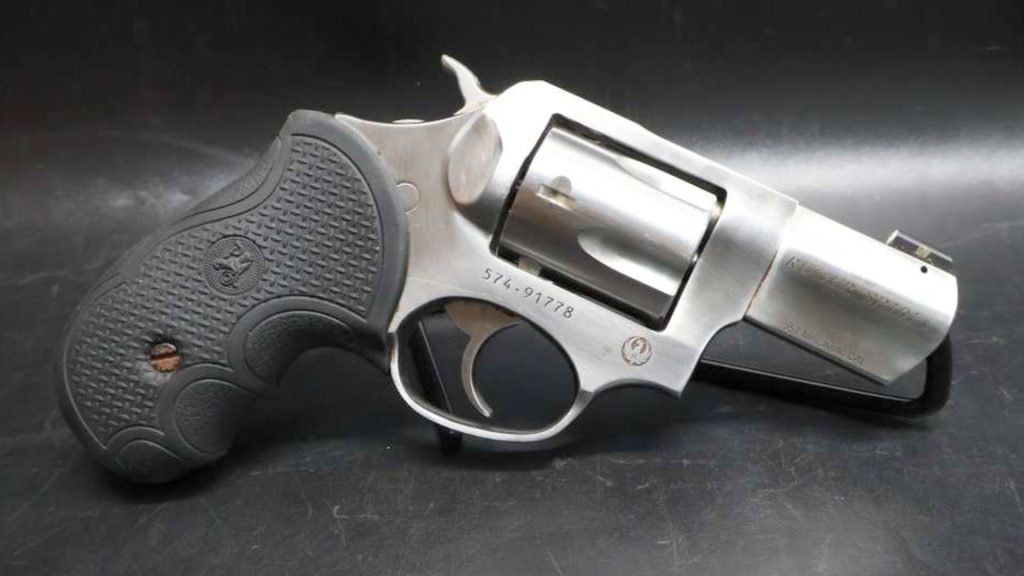
A double-action revolver like the Ruger SP101 brings a different kind of control to the table. The heavier trigger pull acts as a built-in buffer against negligent movement, especially in high-stress moments. You have to mean it, every time.
The weight of the steel frame tames recoil, even with defensive loads. The grip shape encourages a firm, straight-back trigger press rather than jerky movement. There’s also comfort in mechanical simplicity when thinking about safe storage and operation. For some households, the SP101’s deliberate pace and predictable behavior make it a calming presence rather than a complicated one.
Glock 19
The Glock 19 hits a balance that’s hard to ignore for home defense. Its size gives you enough grip and sight radius to stay steady without feeling bulky indoors. Recoil stays manageable, and the pistol tracks predictably shot to shot, which matters when control is the priority.
The consistent trigger pull removes one more variable under stress. You don’t have to think through different modes or levers once you’re familiar with it. The gun’s simplicity in operation supports safe handling habits, especially when paired with proper storage. It doesn’t fight you, and that calm, repeatable behavior is what makes it a strong choice inside the home.
Smith & Wesson M&P 2.0 Compact
The M&P 2.0 Compact was built with grip control in mind. The textured frame locks into your hand without forcing you to squeeze harder than necessary. That helps keep the muzzle stable, especially when adrenaline makes fine motor control harder.
Its ergonomics suit a wide range of shooters, which is important in a household setting. The trigger is predictable, and recoil impulse feels straight back rather than snappy. That makes follow-up shots easier to manage without rushing. The design encourages deliberate shooting and consistent handling, both of which matter when safety outweighs speed. It’s a pistol that stays cooperative when things feel uncertain.
SIG Sauer P320 Compact
The P320 Compact offers a controllable shooting experience with a grip angle that naturally points where you’re looking. That reduces the tendency to overcorrect, which can happen when stress sets in. The slide mass and bore axis work together to soften recoil in a way that feels steady rather than abrupt.
One advantage for home defense is how clearly the gun communicates what it’s doing. The trigger reset is easy to feel, and the controls are well placed without being intrusive. That clarity helps you stay intentional instead of reactive. When safety and control come first, a pistol that behaves consistently earns trust quickly.
Beretta PX4 Compact
The Beretta PX4 Compact doesn’t get much attention, but it handles recoil in a very controlled way. The rotating barrel system changes how the gun moves under fire, often reducing muzzle rise and keeping sights closer to target.
That smoother impulse helps prevent rushed corrections. The grip fills the hand well without forcing finger placement, and the controls are easy to reach without accidental contact. In a home defense context, that means fewer surprises when you’re moving or adjusting grip. The PX4 rewards calm input, which aligns well with a safety-first mindset when things go sideways at home.
CZ P-01
The CZ P-01’s weight and low slide profile contribute to excellent control. The gun sits deep in your hand, which helps keep recoil flat and predictable. That physical stability shows up quickly, even for shooters who don’t practice constantly.
The double-action first pull encourages deliberate engagement, while single-action follow-ups feel smooth and manageable. That transition, once learned, supports thoughtful shooting rather than rushed decisions. The P-01’s accuracy isn’t flashy, but it’s consistent. In close quarters, that kind of predictability supports safer outcomes when margins are thin.
Mossberg 590S

Shotguns can be tricky indoors, but the Mossberg 590S stands out for controllability when set up responsibly. Its pump action forces a measured pace, which can prevent panic-driven firing. You’re involved in every cycle.
The tang safety is easy to see and reach, reinforcing awareness. The gun’s weight helps soak up recoil, and the sighting options promote deliberate aiming instead of point shooting. With appropriate ammunition, the 590S encourages control and accountability. It’s a firearm that demands attention and gives clear feedback, both of which support safer handling inside confined spaces.
Remington 870 Wingmaster
The Wingmaster earns its place through smooth operation and balance. The pump stroke is consistent and fluid, reducing the chance of short-stroking under pressure. That mechanical smoothness matters when control is more important than speed.
Its heft steadies the gun, and recoil feels more like a push than a snap. The safety location reinforces conscious engagement rather than accidental movement. In a home defense role, the Wingmaster rewards calm handling and proper technique. It doesn’t rush you, and that slower, steadier rhythm can help keep decisions grounded when everything feels compressed.
Ruger PC Carbine
The Ruger PC Carbine offers rifle-like stability with manageable recoil, making it easier to keep shots where you intend them. The extra weight and shoulder contact add layers of control that handguns can’t always provide.
Its controls are familiar and clearly laid out, reducing confusion. Recoil is mild, which helps prevent flinching or overcorrection. The longer sight radius supports careful aiming, even in low light with proper setup. For home defense, the PC Carbine encourages precision and restraint, especially for shooters who prefer a more planted shooting position.
AR-15 with 16-Inch Barrel
A properly configured AR-15 can prioritize control when handled responsibly. The straight-line recoil system keeps muzzle movement minimal, making follow-up shots easier to manage without rushing.
Ergonomics allow you to maintain a stable stance and consistent grip. Controls are accessible and familiar to many shooters, reducing fumbling under stress. When paired with appropriate ammunition and setup, the platform supports accurate, deliberate shooting. Its modularity allows you to tailor the rifle toward stability and handling rather than aggression, which aligns with a safety-focused approach to home defense.
Glock 17
The Glock 17 offers extra sight radius and grip length, which translates into better control for many shooters. The added mass up front helps dampen recoil, keeping the pistol flatter during strings of fire.
That stability encourages measured shooting instead of hurried corrections. The consistent trigger pull and straightforward controls reduce cognitive load when stress rises. For home defense, the Glock 17’s predictability matters more than its capacity. It behaves the same way every time, which supports safer handling and clearer decision-making when there’s no room for confusion.
Beretta 92FS
The Beretta 92FS brings weight, balance, and a long sight radius to the table. That combination helps keep movement smooth and recoil manageable, especially for shooters who value control over compactness.
The double-action first pull adds an intentional step before firing, while single-action follow-ups remain easy to manage. The slide design reduces felt recoil, and the grip angle promotes steady alignment. In a home setting, the 92FS rewards calm, deliberate input. It’s not small or light, but that extra mass often translates into confidence and restraint when control matters most.

Asher was raised in the woods and on the water, and it shows. He’s logged more hours behind a rifle and under a heavy pack than most men twice his age.