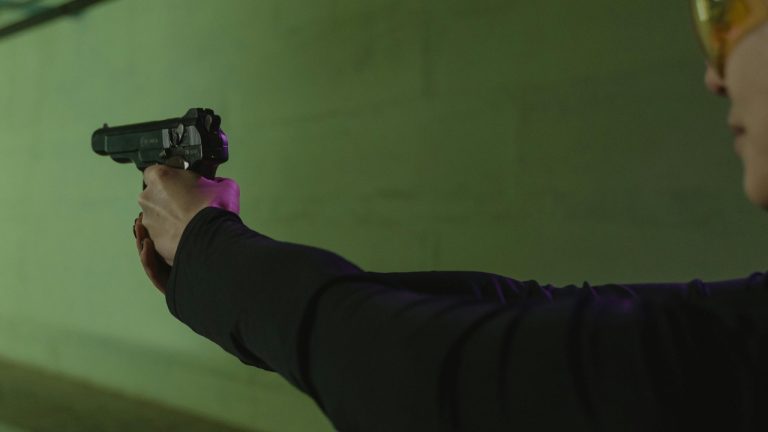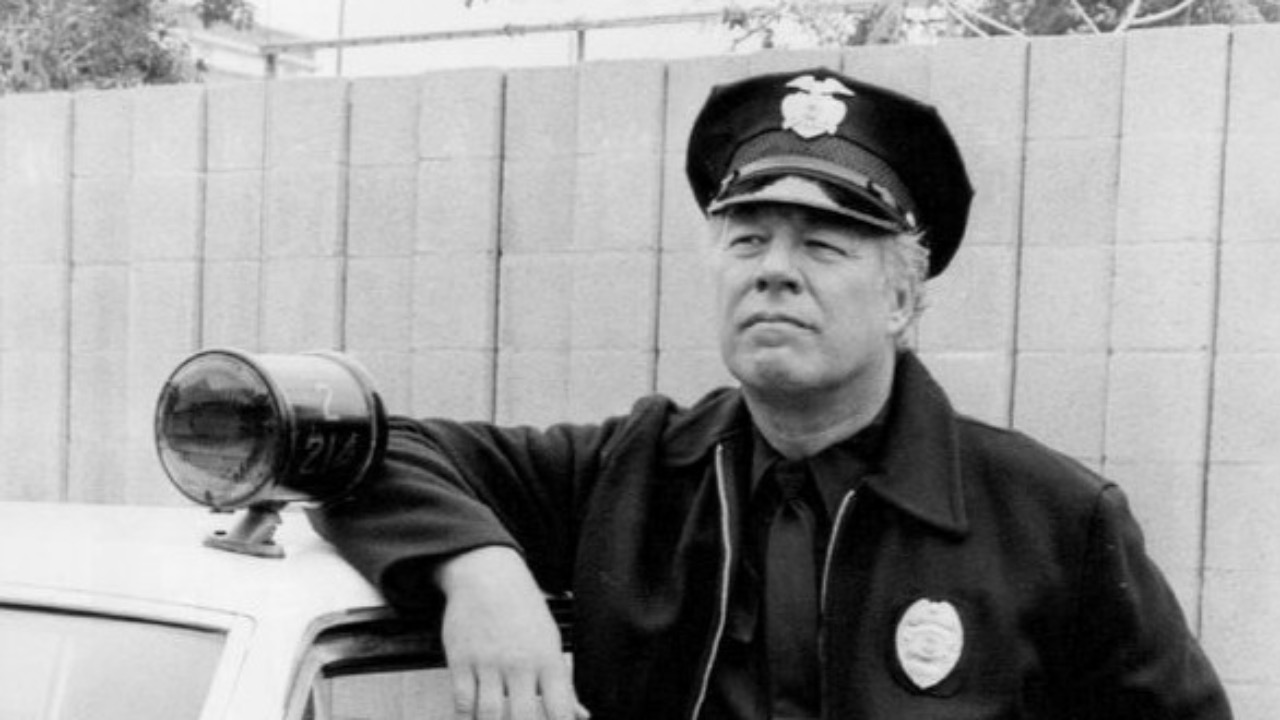
George Kennedy served 16 years in the Army before his Hollywood career
Before audiences knew George Kennedy as Dragline in “Cool Hand Luke” or the gruff airline troubleshooter in the “Airport” films, he had already lived a full career in uniform. He served a total of sixteen years in the United States Army, a span that began in World War II and continued into the early Cold War, long before Hollywood made him a familiar face.
That long military chapter shaped his sense of discipline, his view of violence and heroism, and even the way he carried himself on screen. The soldier who had served under General George Patton and earned decorations for combat would later bring that experience to some of the most memorable tough-but-human characters in American film.
From New York City to a life in uniform
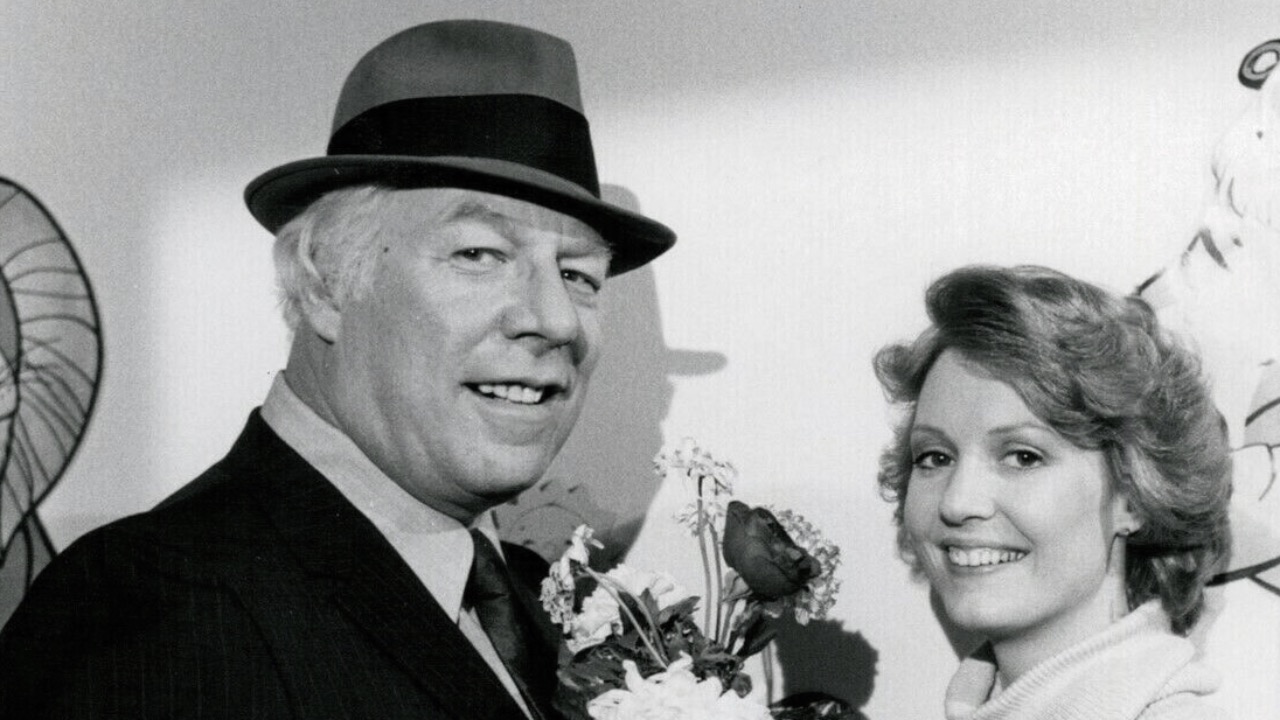
George Harris Kennedy Jr. was born in New York City into a show business family. His father, George Harris Kennedy, was a musician and orchestra leader, and his mother was a dancer, so his earliest environment revolved around performance and stagecraft rather than barracks and battlefields. Biographical notes on his early years describe him as a New York-born child of entertainers who grew up around theaters and studios, a background that later made his transition to film and television feel almost like a return home rather than a fresh start.
Accounts of his youth explain that he worked in radio and on stage as a child, which gave him a comfort in front of audiences long before anyone called him to a movie set. When he reached enlistment age during World War II, however, he chose the Army instead of an immediate acting career. According to biographical references on his early life, that decision pulled him away from New York show business into the far harsher world of wartime service.
Enlisting at eighteen and joining Patton’s forces
Kennedy enlisted in the United States Army as soon as he turned eighteen, in the middle of World War II. One detailed profile states that he initially opted for the Army Air Corps, a branch that attracted many young volunteers who were drawn to flying and technical work. That same account explains that his service path eventually shifted into ground forces, where he would see some of the most intense combat of the European theater.
According to a focused section on his military career, Kennedy enlisted in the United States Army during World War II and later re-enlisted, building a total of sixteen years in uniform before his discharge due to a back injury. The specific note that he “enlisted in the United States Army” and served long enough to leave because of a chronic injury appears in a biographical entry on his service record, which also places his early life in New York City.
Several military-focused retrospectives describe how Kennedy served under General George Patton. One report on his wartime experience explains that he was part of Patton’s Army, fought in the Battle of the Bulge, and earned two Bronze Stars for his actions. A commemorative post on his life notes that the New York City native served in Patton’s units and that his decorations included those two Bronze Stars, linking his name directly to some of the most intense fighting of the war in Europe.
Combat, the Battle of the Bulge, and two Bronze Stars
George Kennedy’s World War II experience was not administrative or symbolic. He was a combat soldier who saw front-line action. One wartime recollection quotes him describing the conflict as “one horrendous surprise after another” and saying that he could not think of anything he did during the war that did not involve death. That stark description appears in a military profile that highlights how fully immersed he was in the brutal reality of fighting in Europe.
A detailed remembrance on his wartime life states that Kennedy served under Patton, fought in the Battle of the Bulge, and earned two Bronze Stars. The same account explains that he re-enlisted after the war and was not discharged until the early 1960s, which is how his total Army service added up to sixteen years. The reference to his two Bronze Stars and his role in the Battle of the Bulge appears in a biographical tribute on his wartime decorations, which connects his name directly with that historic battle.
Another retrospective on his service under General George Patton describes how the future Academy Award winner was part of Patton’s Army in Europe and later became known to film audiences for roles that often echoed his real military background. That report on World War II emphasizes the contrast between the soldier who endured winter fighting in Europe and the actor who eventually worked under bright studio lights.
Sixteen years in the Army and a painful discharge
The phrase that George Kennedy “served sixteen years in the Army” comes from multiple biographical sketches that track his time in uniform from his enlistment at eighteen through his final discharge. After World War II ended, he did not immediately leave the service. Instead, he re-enlisted and stayed on through the late 1940s and 1950s, a period when the United States military shifted from wartime mobilization to Cold War posture.
One biography explains that Kennedy remained in the Army until he suffered a significant back injury that forced his discharge. That same account notes that his total time in uniform reached sixteen years, which means he spent much of his twenties and thirties as a professional soldier rather than as a working actor. A film-oriented biography on his career timeline similarly notes that he was discharged because he injured his back, a turning point that pushed him toward Hollywood.
Military-focused profiles add that his time in service included work as a military policeman and other roles that drew on his physical presence and sense of authority. A veteran profile on his Army years explains that he would serve the Army for sixteen years and repeats his description of the war as a series of horrendous surprises, reinforcing how deeply that experience marked him.
From Army training ground to television sets
When George Kennedy finally left the Army due to his back injury, he did not step into instant stardom. Instead, he drew on his military background to find work as a technical adviser and bit player. One obituary-style profile recounts how he initially worked behind the scenes on a television military comedy, advising on uniforms and procedures, before producers began casting him as a military policeman in several episodes.
That same account recalls him describing those early roles as a “great training ground” for his later career, since they let him learn camera work and acting craft while relying on the authority and bearing he had developed in uniform. A remembrance on early acting work notes that he appeared as an MP on a series and that he saw that experience as a training ground, which neatly bridges his Army past with his Hollywood future.
Fans and historians also point out that his physical stature, his clipped speech, and his understanding of chain of command made him a natural fit for roles as soldiers, police officers, and authority figures. An online discussion among collectors and veterans on transition to acting notes that the New York-born Kennedy came back from the Army, worked in television, and then started getting acting roles, a path that many veterans of that era followed in different forms.
Cool Hand Luke, Dragline, and the veteran behind the role
Kennedy’s breakthrough role came as Dragline in “Cool Hand Luke,” where he played a hardened prison work-camp inmate opposite Paul Newman’s rebellious Luke. For that performance he received the Academy Award for Best Supporting Actor. Biographical summaries on his film career list “Cool Hand Luke” prominently among his credits and identify the role of Dragline as the one that earned him the Academy Award.
Retrospectives on his life often connect Dragline’s mix of toughness, loyalty, and vulnerability with Kennedy’s own experience as a combat veteran. A social media tribute on journey from Patton’s describes him as an Academy Award recipient who moved from Patton’s Army to that iconic role, then on to films with Cary Grant and Audrey Hepburn. The same tribute emphasizes how his wartime service informed the authenticity he brought to characters who lived with violence and moral ambiguity.
Another retrospective on his real-life heroism connects his service in Patton’s Army with later war-themed films such as “The Dirty Dozen” and “The Flight of the Phoenix.” That piece on real life heroism frames him as someone who had already faced death under fire before he ever played a soldier on screen.
Airport, The Dirty Dozen, and the soldier’s presence on screen
After “Cool Hand Luke,” George Kennedy became one of Hollywood’s most reliable character actors. He appeared in “Airport” as Joe Patroni, a tough, resourceful problem solver who treats crisis with the calm of someone who has seen worse. Biographical listings on his filmography include “Airport” among the films that made him a familiar name to audiences, along with “The Dirty Dozen” and “The Flight of the Phoenix.”
Fans and historians often note that his roles in “The Dirty Dozen” and other war-related films carried extra weight because he had actually served in combat. A historical photo post on his authentic heroism repeats his description of the war as one horrendous surprise after another and links that experience to his later role in “The Dirty Dozen,” where he played a soldier involved in a deadly mission.
Even in comedies and lighter fare, Kennedy’s bearing suggested someone who understood real stakes. Later in his career, he appeared in the “Naked Gun” series, where his deadpan delivery and solid presence played perfectly against the absurdity around him. That contrast worked in part because audiences recognized him as the same actor who had once played serious soldiers and airmen, roles that drew directly from his sixteen years in the Army.
How sixteen years in uniform shaped the actor
George Kennedy’s long military service did more than provide him with a few anecdotes or a line on his résumé. It defined his view of violence, authority, and loyalty. His own words about World War II, preserved in veteran-focused profiles, describe a world where every action involved death and where survival depended on discipline and trust. That perspective gave him a grounded approach to the tough men he played on screen, whether they were prisoners, soldiers, or law enforcement officers.
Biographical entries on his life story and military-focused profiles on his veteran status both highlight the same arc. He was born in New York City into a show business family, enlisted in the Army at eighteen, served sixteen years including combat under General George Patton, earned two Bronze Stars, and only then turned fully toward Hollywood. That sequence matters because it explains why his characters often felt like real people instead of stock figures.

Leo’s been tracking game and tuning gear since he could stand upright. He’s sharp, driven, and knows how to keep things running when conditions turn.