11 Critical Items People Are Stockpiling as WW3 Fears Grow During the Iran War
As the war involving the US, Israel and Iran escalates, fears that a wider Third World War could follow are no longer confined to fringe corners of the internet. Governments across Europe are quietly urging families to prepare for at least 72 hours of disruption, while civil defense experts are circulating checklists that focus on 11 core items people are already stockpiling. Behind the headlines, those lists reflect a sober calculation about how quickly modern infrastructure can fail if the conflict spreads.
From bottled water to backup power banks, the guidance converges on the same theme: households that plan ahead are more likely to cope with sudden outages of electricity, fuel, communications and basic services. The items below are not a blueprint for doomsday living, but a realistic snapshot of what officials and preparedness specialists now see as the minimum buffer if the Iran war spills over into a broader confrontation.
The war in Iran and why stockpiling talk has intensified

The anxiety driving these shopping lists is rooted in real battlefield developments. The IDF has carried out repeated strikes on Iranian targets, including a missile base north of Qom City in Qom Province, as part of a wider air campaign that has also hit launchers in southern Lebanon. Detailed battlefield reporting describes how these operations are designed to degrade Iran’s missile capacity and the capabilities of allied militias.
The strikes have not remained isolated. A combined US and Israeli air campaign has targeted Iranian infrastructure and weapons systems, with follow up assessments in an Iran Update Evening noting that the destruction of multiple launchers has been a key objective. At the same time, Israel’s military has launched what it called “extensive” airstrikes on Tehran, hitting regime targets in and around the capital and signaling that the confrontation has moved far beyond covert skirmishes.
Regional and global actors are already adjusting. Asian oil buyers are reviewing their supply chains and assessing stockpiles as they weigh Middle East alternatives in case the Iran conflict disrupts shipping lanes, according to energy market analysis. That kind of planning by governments and major companies is filtering down to households, which are being told to think in similar terms about their own food, water and fuel security.
In Europe, the shift is explicit. Throughout the continent, nations such as France, Norway and Finland have released wartime preparedness guidelines that tell citizens to keep several days of supplies at home. One advisory highlighted by civil defense guidance urges families to stockpile food, water, important papers, medicine and shortwave radios so they can manage at least 72 hours without outside help.
In the United Kingdom, experts argue that the country is “not prepared” for a major conflict and that building a home emergency kit is prudence rather than paranoia. A widely shared list on social media, framed as a warning for UK, has pushed the idea that every family should be able to cope without electronic payments, tap water or phone networks for several days.
Against that backdrop, several European governments have formalized their advice. Countries like Norway, Sweden, Germany and Poland have each issued guidance on what to store at home in case of war or large scale cyber disruption. One summary of those national plans, shared via widely read briefing, distills the advice into 11 priority items that are now being promoted as a basic resilience kit.
1. Bottled water and ways to purify it
Water sits at the top of every official checklist for a simple reason: modern cities cannot function without it for more than a few days. The US government’s Basic Disaster Supplies Kit recommends at least one gallon of water per person per day for several days, both for drinking and sanitation. That guidance, set out in the Basic Disaster Supplies, has been echoed by European civil defense agencies that assume taps could run dry if power grids or pumping stations are hit.
Recent lists circulating in the UK and Scandinavia urge households to keep several large bottles of still water in a cool, dark place and to rotate them regularly. One European advisory, summarized in a follow up section of the same briefing, pairs bottled water with portable water filters and purification tablets, on the assumption that people might need to treat water from rivers, lakes or emergency tankers.
Preparedness experts stress that storage is only half the equation. Families are being encouraged to learn how to use compact filters, such as pump style purifiers or gravity bags, and to keep simple chlorine tablets in their kits. In practice, that means a household of four would aim for at least 12 gallons stored at home, plus the ability to clean additional sources if supplies are disrupted for longer than three days.
2. Long lasting food and manual cooking gear
Food security is the next pillar. The same US emergency guidance that focuses on water also recommends several days of non perishable food, ideally items that require little or no cooking. The official emergency supply kit suggests canned goods, dry mixes and staples that can be eaten cold if necessary, along with a manual can opener.
European lists that have been shared in response to the Iran war follow the same logic. The UK Government’s Prepare list, which has been promoted as a wartime readiness guide, tells households to keep enough food for several days that does not rely on fresh deliveries. That advice, summarized in the Prepare guidance, is built around the assumption that supermarket shelves could empty quickly and that card payment systems might fail.
Preparedness advocates often recommend a mix of canned vegetables, beans, soups, tinned meat or fish, rice, pasta, oats, nut butters and long life milk. The goal is not gourmet eating, but calories, protein and some comfort foods that children will actually eat under stress. Some lists also suggest camping stoves that run on small gas canisters, along with extra fuel, so families can heat food and boil water even if the gas grid shuts down.
3. Medicines, first aid and essential documents
Medical access is one of the most fragile parts of any crisis. Pharmacies rely on just in time delivery and electronic prescriptions, while hospitals depend on uninterrupted power and supply chains. That is why many of the new wartime preparedness lists emphasize a small pharmacy at home. One widely shared UK checklist, highlighted in a round up of, stresses that an emergency kit should include prescription medicines, painkillers, antiseptic, bandages and basic over the counter treatments.
European government guidance goes further and tells families to keep copies of important documents in a waterproof folder. The 72 hour preparedness advice from France, Norway and Finland mentions passports, insurance papers and medical records alongside food and water. The logic is that people might have to leave home quickly, or prove identity and entitlements in a disrupted environment where digital records are hard to access.
For households that rely on regular treatments for conditions such as diabetes, heart disease or asthma, doctors are advising patients to request a small buffer supply where possible. That might mean an extra inhaler, a spare insulin pen or a few weeks of blood pressure tablets, stored carefully and rotated before expiry. In a conflict that has already seen missile bases and air defense systems targeted, the assumption is that health care infrastructure could become a secondary victim.
4. Light, power banks and radios
Electricity is the invisible backbone of modern life, and it is also one of the first things people lose in war or large scale cyber attacks. The UK Government’s Prepare list puts a battery or wind up torch at the top of its nine key items, arguing that torches are safer than candles in damaged buildings. The same list, summarized in the UK guidance, also highlights portable power banks for charging phones and other small devices.
US emergency planners echo that advice. The basic supply kit published by Ready.gov includes a flashlight and spare batteries as standard items, along with a battery powered or hand crank radio and a NOAA Weather Radio with tone alert. While the latter is specific to the United States, the principle carries over to Europe, where civil defense agencies are telling citizens to keep at least one radio that can receive official broadcasts without relying on the mobile network.
Shortwave radios feature prominently in the European 72 hour guidance that has circulated since the Iran war escalated. The advisory that mentions France, Norway and Finland recommends shortwave sets that can pick up cross border transmissions, on the assumption that domestic networks might be jammed or destroyed. That focus on analog communication, captured in the same European guidance, reflects lessons from past conflicts where radio was the only reliable channel for days at a time.
5. Cash, documents and low tech navigation
Modern payment systems are highly efficient, but they are also vulnerable to power cuts, cyber attacks and overloaded networks. One of the more overlooked recommendations in the UK social media checklist is to keep a small stash of physical cash at home. The argument, shared in the UK preparedness discussion, is that card readers and ATMs may not work if the grid is down, yet small shops or neighbors might still be able to trade.
Government lists in Norway, Sweden, Germany and Poland also mention cash alongside food and water, according to the European overview shared via recent briefings. Those same summaries highlight old fashioned navigation tools such as paper maps and a compass, on the assumption that GPS signals could be degraded or that smartphone batteries might be flat.
Alongside cash and maps, officials keep returning to the theme of documents. Families are urged to store passports, birth certificates, property deeds and insurance policies in a grab bag that can be taken at short notice. Some experts suggest scanning key documents and saving them on an encrypted USB stick as well as in the cloud, so that identity and ownership can be proven even if physical copies are lost.
6. Hygiene supplies and sanitation backups
Public health can deteriorate quickly when water and waste systems fail. That is why hygiene items feature prominently in both US and European emergency kits. The Basic Disaster Supplies Kit recommends moist towelettes, garbage bags and plastic ties for personal sanitation, alongside soap and household chlorine bleach that can disinfect surfaces and, in very small quantities, purify water. These items are listed alongside food and water in the US guidance.
European wartime lists add toilet paper, sanitary pads, nappies and hand sanitizer to the mix. The 72 hour guidance that references France, Norway and Finland explicitly mentions hygiene products as part of the core stockpile, recognizing that shops may not restock quickly and that supply chains for specialized items can break first. For families with babies or elderly relatives, that can mean keeping several weeks of nappies or incontinence products on hand.
Some preparedness advocates also recommend simple backup sanitation solutions, such as heavy duty bin bags that can line a toilet if sewers fail, along with absorbent material like cat litter. While such measures are rarely spelled out in official documents, they are implied in the call for garbage bags and plastic ties and have been widely discussed in community preparedness groups.
7. Clothing, blankets and ways to stay warm
Energy markets are already reacting to the Iran conflict, with Asian buyers reviewing their oil stockpiles and looking at alternative suppliers in case Middle East flows are disrupted. That reassessment, documented in recent energy analysis, has direct implications for households that rely on gas or oil for heating. If supplies tighten or grids are damaged, staying warm becomes a survival issue rather than a comfort question.
Preparedness lists in colder climates now emphasize layers of clothing, thermal underwear, wool socks, hats and gloves, along with sleeping bags and blankets for every family member. The UK Government’s Prepare guidance mentions ways to keep warm if power or central heating fails, as summarized in the nine item list. In practice, that can mean designating one room as a warm zone and insulating it with blankets and draft excluders.
Some European households are also investing in low tech heating options such as wood burning stoves or portable gas heaters, though these bring safety considerations and are not suitable for every building. Officials generally focus on passive measures that do not risk carbon monoxide poisoning, such as extra bedding and warm clothing, while reminding people that hypothermia can become a threat indoors if temperatures drop for long periods.
8. Communication tools and information access
Staying informed can be as important as having supplies. When airstrikes hit Tehran and other Iranian targets, for example, residents relied on a mix of official broadcasts, social media and word of mouth to understand what was happening. Reports on Israel’s airstrikes on describe how quickly information became contested, with state media, foreign outlets and online commentators offering competing narratives.
That confusion is one reason why emergency planners keep stressing radios and backup power. The US Basic Disaster Supplies Kit includes a battery powered or hand crank radio, while European guidance points to shortwave sets that can receive foreign broadcasts if domestic channels go dark. The same logic appears in the European 72 hour advice that pairs shortwave radios with medicine and important papers in its core list.
Mobile phones remain central to modern communication, but they are only as useful as the networks and power supplies behind them. Hence the focus on portable power banks in the UK Prepare list, which is summarized in the nine key items. Some preparedness advocates also recommend small solar chargers that can top up phones and radios during extended outages, though these are not yet standard in government guidance.
9. Tools, batteries and basic repair gear
When infrastructure is damaged, improvisation becomes essential. That is why many stockpiling lists include basic tools and spare batteries alongside food and water. The US emergency kit suggests extra batteries for flashlights and radios, as well as plastic sheeting and duct tape that can seal windows or create temporary shelters. These items appear in the official checklist as part of a broader push for self sufficiency.
European wartime lists often add a multi tool, a manual can opener, matches or lighters, and sturdy gloves. The 11 item summary that has circulated in Norway, Sweden, Germany and Poland mentions torches, batteries and simple tools alongside bottled water, food and radios, according to the overview shared via recent European briefings. The idea is not to turn every household into a construction crew, but to give people enough equipment to clear minor debris, secure doors and windows and carry out small repairs.
In practice, that might mean a basic toolkit with a hammer, screwdrivers, pliers, a wrench and some nails and screws, along with heavy duty tape and plastic sheeting. Households in flood prone areas sometimes add sandbags or water barriers, while those near potential blast zones focus on shatter resistant film for windows. The common thread is that a small investment in tools can prevent damage from getting worse and buy time until professional help arrives.
10. Overlooked comforts: entertainment, pet supplies and mental health
Not every item on the emerging stockpiling lists is about survival in the narrow sense. Some of the most shared advice around the Iran war has focused on overlooked comforts that can make days in a shelter or blackout bearable. A widely discussed set of recommendations, summarized in a feature on overlooked, points to board games, playing cards, books and small toys as tools to keep children calm and adults occupied.
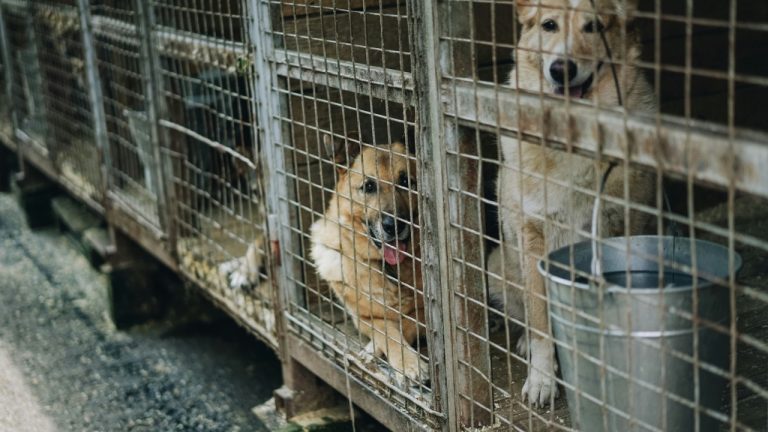
Those same discussions highlight pet supplies as a blind spot. Many families remember to stockpile food and water for themselves, but forget that cats, dogs and other animals also need several days of food, any regular medication and perhaps a carrier or leash for evacuation. Preparedness advocates argue that planning for pets in advance can prevent heartbreaking decisions if supplies run short.
Mental health is another thread running through these softer recommendations. The Tyla feature that collates expert advice on wartime kits, accessible via recent coverage, emphasizes that familiar snacks, warm drinks and simple entertainment can reduce anxiety, especially for children. In a conflict that already involves airstrikes on major cities and the threat of missile attacks on new targets, those psychological buffers matter.
11. How official war planning shapes what civilians store
The items people are buying today do not exist in a vacuum. They sit in the shadow of large scale military planning that treats the Iran war as a serious test of air defense systems and long range strike capabilities. Analysts have tracked how The THAAD system is designed for defeating medium range ballistic missiles, while the Patriot system is for taking down short range ballistic missiles, cruise missiles and aircraft. That technical breakdown, set out in detailed coverage of, underlines the scale of weaponry already in play.
On the ground, the combined US and Israeli air campaign has focused on destroying launchers and missile infrastructure, as described in the Iran Update Evening. That same assessment notes that the destruction of these launchers has been a central objective and that the effort to locate and destroy them has been successful in many cases. For civilians watching from afar, those details translate into a simple conclusion: if such weapons are being used, then the risk of escalation and retaliation is real.

Leo’s been tracking game and tuning gear since he could stand upright. He’s sharp, driven, and knows how to keep things running when conditions turn.