Great western movies most people have forgotten
Western movies have a way of sticking in your mind—sometimes it’s the wide-open landscapes, the tension at high noon, or a lone hero walking into a dusty town. But not every classic has stayed front and center. Some great westerns have faded into near obscurity, yet they offer sharp storytelling, gritty action, and performances that still hold up. These are the films that remind you why the genre mattered and why it’s worth revisiting beyond the well-worn titles everyone remembers. Here’s a collection of westerns worth digging out if you want to see the range and craft of an era that built American cinema.
The Man Who Shot Liberty Valance (1962)
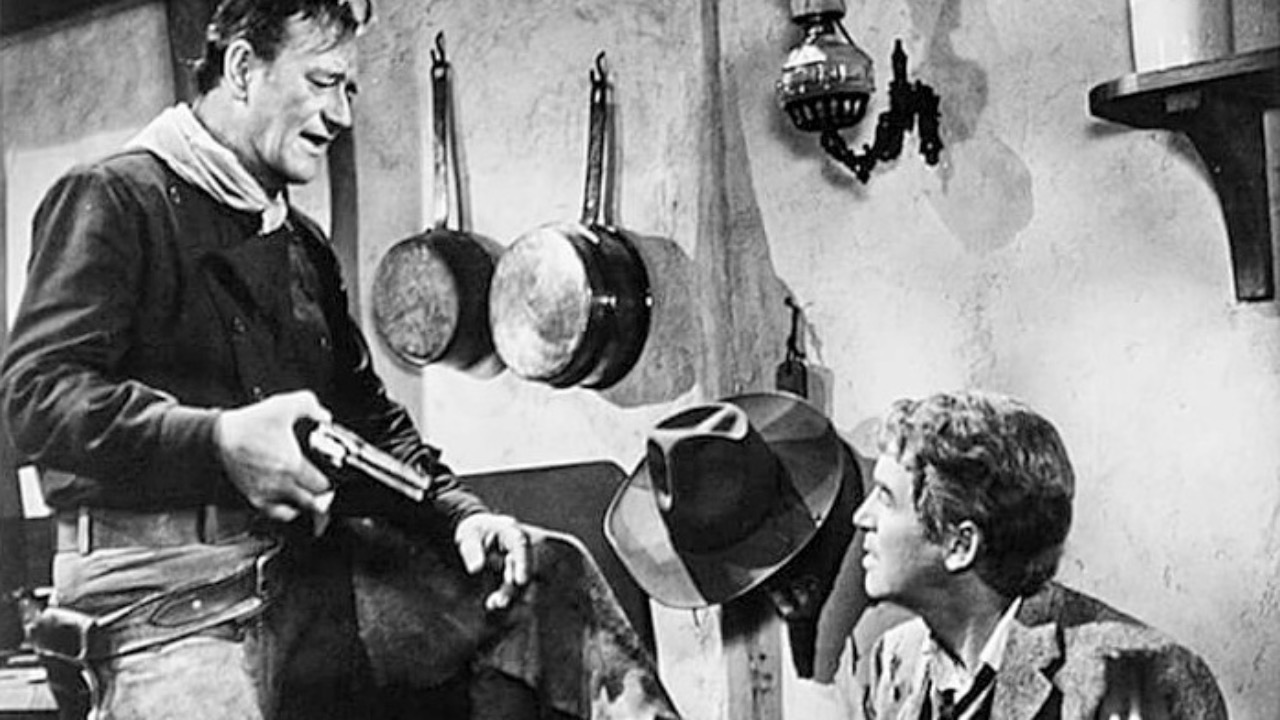
This film isn’t completely forgotten, but it’s often overshadowed by more famous westerns from the same era. Directed by John Ford, it examines the tension between law and legend in a growing frontier town. The performances are quiet but powerful, especially James Stewart and Lee Marvin, who capture the weight of duty and personal history.
It’s a western that’s more reflective than many of its contemporaries. It shows how stories and reputations shape communities, and the film balances action with subtle character work. Watching it today, you get the sense of a western that understands the complexities of the Old West without losing the drama audiences expect.
Ride the High Country (1962)
Sam Peckinpah’s early work here is full of understated tension. Randolph Scott and Joel McCrea play aging lawmen on one last mission, and the film captures the weariness of men who’ve spent too long on the trail. It’s a story about loyalty, morality, and survival in a world that’s moving faster than they are.
The landscapes are rugged, the gunfights purposeful, and the pace deliberate. It’s easy to see why this didn’t dominate the box office, but for anyone interested in character-driven westerns, it’s a quiet masterpiece. Peckinpah’s later reputation for violence overshadows this one, but it’s worth revisiting to see his early approach to storytelling.
The Sons of Katie Elder (1965)
Starring John Wayne, this film combines family drama with classic western revenge themes. Four brothers return home to deal with their father’s death and confront those responsible. The movie balances action with a surprisingly grounded look at grief, responsibility, and small-town politics.
Wayne’s presence is commanding, but the supporting cast, including Dean Martin, adds depth and nuance. The film’s pacing lets the story breathe without rushing the inevitable confrontation. It’s a solid western that sometimes gets lost amid Wayne’s more famous titles, but it remains a strong example of the genre’s range.
Rancho Notorious (1952)
Directed by Fritz Lang, this western doesn’t get much attention today, yet it’s full of Lang’s signature style. The story revolves around a woman running a hidden ranch for outlaws and the lawman who infiltrates it. Suspense and action are interwoven with clever plotting, making the film feel cinematic and fresh even decades later.
The cinematography is notable, capturing both the claustrophobic interior spaces and the open Western landscapes. While it’s often overlooked, Rancho Notorious is a sharp, stylish western that stands apart from the typical cattle drive or shootout storylines. Lang’s influence gives it a cinematic edge that still feels modern.
The Hanging Tree (1959)
Gary Cooper stars in this western that mixes moral tension with frontier justice. The story examines a town under a shadow, where personal vendettas and law enforcement collide. Cooper’s performance is restrained, letting the grim tone of the setting carry the weight of the narrative.
What makes it interesting is the way it handles violence and consequence. The town itself feels alive, full of ordinary people caught in extraordinary circumstances. It’s not flashy, but it’s effective, and the mood of the film lingers. The Hanging Tree doesn’t dominate western discussions today, yet it has qualities that make it memorable if you spend time with it.
Broken Lance (1954)
This western is loosely based on King Lear, transplanted to a ranching family in the Southwest. Spencer Tracy leads a story full of family conflict, greed, and betrayal, highlighting how human drama can fuel a western as much as gunfights or horseback chases.
The film uses its setting to underscore tension, with vast landscapes reflecting fractured relationships. The narrative takes time to explore each character, which gives it more weight than many contemporaneous westerns. Broken Lance isn’t widely discussed now, but it’s a prime example of storytelling depth in a genre often assumed to be all action.
The Outlaw Josey Wales (1976)
Clint Eastwood’s performance is well-known, but the film itself is sometimes skipped over in casual discussions of western history. Wales is a Civil War–era outlaw seeking revenge, and the film blends high-stakes action with moments of quiet humanity.
Eastwood’s direction gives the movie a rugged realism. The landscapes are harsh, the gunfights unglamorized, and the characters are fully realized. It’s a western that captures both the loneliness and resilience of life on the frontier. Its mix of emotion and grit keeps it relevant, even if it doesn’t always make “best of” lists.
True Grit (1969, original)
Before the Jeff Bridges remake, John Wayne’s Oscar-winning performance as Rooster Cogburn defined the story. While Wayne is legendary, this version of True Grit is often overlooked today. The film’s charm comes from the chemistry between the characters and the rough terrain they navigate.
Wayne’s portrayal is neither caricatured nor overblown; it’s measured and fits the story’s tone perfectly. The narrative balances youthful determination, the harsh realities of frontier justice, and moments of genuine wit. For anyone exploring westerns beyond the obvious hits, the original True Grit remains a rewarding watch.

Asher was raised in the woods and on the water, and it shows. He’s logged more hours behind a rifle and under a heavy pack than most men twice his age.