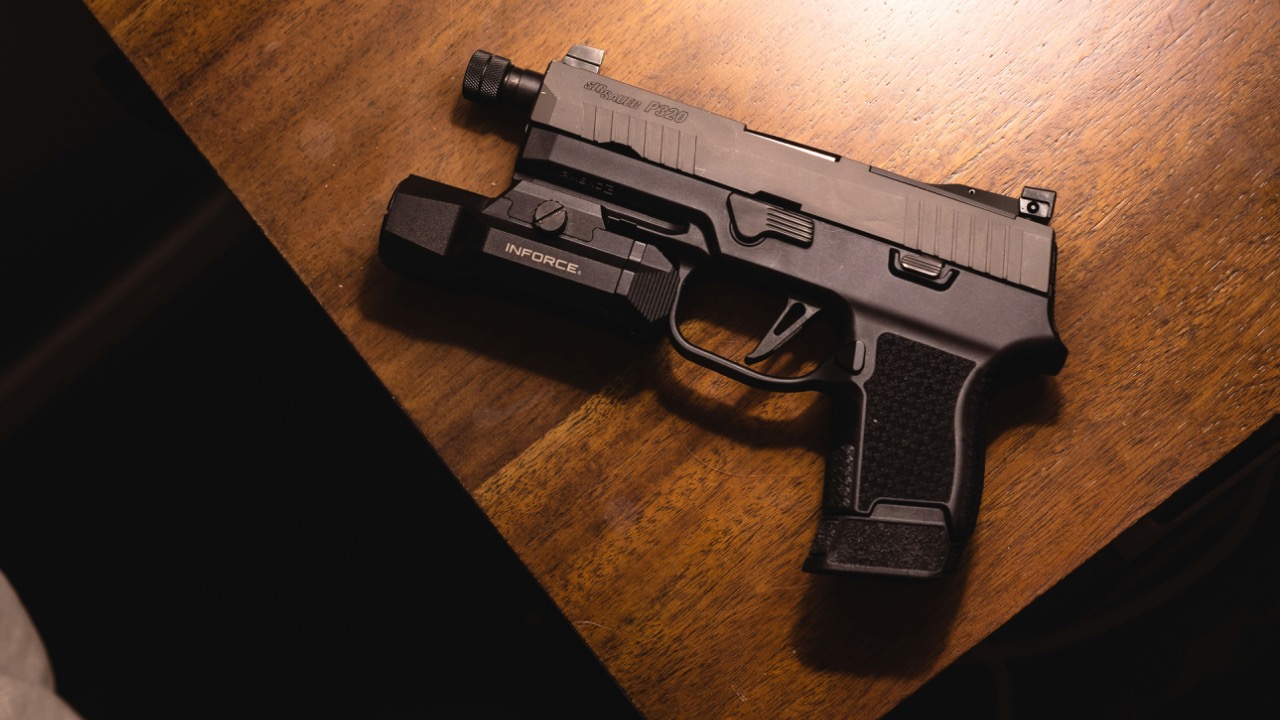
Gun Owner Fires Round While in Bed After “Just Checking” His Pistol, Highlighting How Easily Mistakes Can Occur
Firearm mishaps often unfold in quiet settings where familiarity breeds oversight. You settle into bed after a long day, your carry pistol nearby as part of your nightly wind-down. One recent account details how a quick handling session with a Glock 19-style handgun led to an unintended discharge. No one was hurt, yet the event underscores the speed at which muscle memory and distraction combine. Experiences like this highlight patterns seen across many gun owners who treat their firearms with care most of the time but slip during low-stakes moments at home.
Such stories circulate widely because they feel relatable rather than extreme. They show that errors stem from everyday actions rather than reckless behavior. The details reveal how a sequence of standard steps can shift without warning. Readers connect with the account because it mirrors routines many follow themselves. Awareness grows when these incidents receive attention, prompting closer examination of personal practices around firearms.
The Night the Pistol Went Off

Picture yourself lying in bed beside your partner as the evening winds down. You reach for your Glock 19-style handgun to run through a few checks before sleep. Everything feels calm and ordinary at first. The room stays quiet except for the small movements you make with the pistol in hand.
This setup placed the firearm in a space meant for rest, where focus tends to wander. The partner remained present throughout, adding another layer of stakes once the shot rang out. The entire episode stayed contained to the bedroom, with no external disruption beyond the sound itself. Reflection came quickly afterward, centered on how the environment contributed to the lapse.
Starting with the Magazine and Chamber
You remove the magazine from the pistol and confirm the chamber sits empty. Then you slide the magazine back in place, noting its familiar weight in your grip. The pistol points toward a safe wall across the room as you prepare to test the trigger pull.
These actions follow a pattern many gun owners repeat when verifying their carry piece. The process feels mechanical and low-risk in the moment. Yet reinserting the loaded magazine changes the condition of the firearm in ways that require extra vigilance. The sequence builds on habits formed during range time or daily carry preparation.
Dry Firing Turns Into Live Fire
You aim at the wall and press the trigger for a dry fire practice. The click confirms the action works as expected. Without pausing to reassess, your hand racks the slide out of long-standing routine to reset the trigger. That motion chambers a round from the magazine you had just replaced.
The next trigger press sends the live round downrange. The shift from empty to loaded happened faster than conscious thought could intervene. Many owners recognize this pattern because dry-fire drills train the hands to cycle the action automatically. The brain stayed locked in the earlier mode for that extra second, bridging the gap between safe practice and actual discharge.
The Path of the Bullet
The round traveled straight into the wall and continued through to a nearby cabinet. Damage remained limited to property, with drywall and wood taking the impact. No fragments or ricochets affected anyone in the room.
You sat there in the sudden silence, processing the echo and the hole now visible. The bullet path stayed predictable based on where the muzzle pointed. Incidents of this type often end with similar contained results when direction stays controlled, even if intent does not. The outcome reinforced the value of consistent muzzle discipline, even during casual handling at home.
Facing the Reality Right Away
Shock replaced the routine calm within seconds of the discharge. You examined the scene and confirmed that neither you nor your partner sustained any harm. The realization settled in that the sequence had played out exactly as described in your later account.
Admitting the error publicly took courage because it exposed a lapse many prefer to keep private. The tone of the sharing conveyed genuine concern rather than bravado. Immediate steps included securing the pistol and assessing the room for further issues. This direct confrontation with the mistake formed the starting point for broader discussion among gun owners.
How Automatic Responses Take Hold
Muscle memory from repeated training sessions guides your hands through familiar motions. Racking the slide after a dry fire feels like the natural next step in countless practice rounds. In that bedroom setting, the habit overrode the fresh knowledge that a magazine had returned to the pistol.
Owners build these automatic patterns to increase speed and reliability under stress. The same wiring can work against safety when attention drifts during off-duty moments. The account illustrates how one extra action, performed without deliberate thought, alters the firearm’s status completely. Recognition of this dynamic encourages owners to slow down and verify each condition manually.
What People Said Online
Readers reacted strongly once the story spread through forums and comment sections. Some expressed frustration that any handling occurred in bed near another person. Others focused on the rapid transition from cleared to loaded states as a key warning sign.
Discussions emphasized separating dry-fire work from loaded carry checks entirely. Commenters urged stricter rules about when and where to manipulate firearms at home. The consensus pointed toward treating every interaction with extra caution, especially in relaxed environments. Feedback highlighted the value of learning from shared errors instead of dismissing them as isolated events.
Changing How You Handle Guns at Home
You begin by designating specific areas and times for any firearm maintenance or practice. Removing the pistol from the bedroom during wind-down becomes a new boundary. Clearing the gun completely and leaving it untouched afterward reduces exposure to accidental cycles.
Establishing these limits breaks the casual flow that led to the discharge. Many owners adopt checklists or verbal confirmations before touching the trigger. The shift requires discipline at first but grows into a reliable safeguard. Over time, the practice protects both you and those around you from similar close calls.
Why Securing the Firearm Matters More
Storage options that keep the pistol out of reach during rest hours add a physical barrier against impulse handling. You lock the unloaded firearm in a dedicated safe or case before settling in for the night. This step prevents the entire sequence from starting in the first place.
The approach aligns with recommendations that treat every gun as potentially ready to fire until proven otherwise. Owners who implement consistent storage report fewer opportunities for error during low-energy periods. The method also respects the presence of partners or family members sharing the space. Small changes in routine create larger margins for safety overall.
Practical Ways to Stay Safe
You double-check the chamber and magazine separately each time, even after recent verification. Verbalizing the status aloud helps anchor awareness during handling. Practicing dry fire only with confirmed empty firearms and in approved locations keeps the two activities distinct.
Regular review of your own habits reveals small gaps that could widen under fatigue. Training resources stress the four basic rules of firearm safety as non-negotiable anchors. Applying them consistently during every interaction builds resilience against the automatic responses that surface in quiet moments. The goal remains protecting yourself and others through deliberate, unhurried actions.

Asher was raised in the woods and on the water, and it shows. He’s logged more hours behind a rifle and under a heavy pack than most men twice his age.