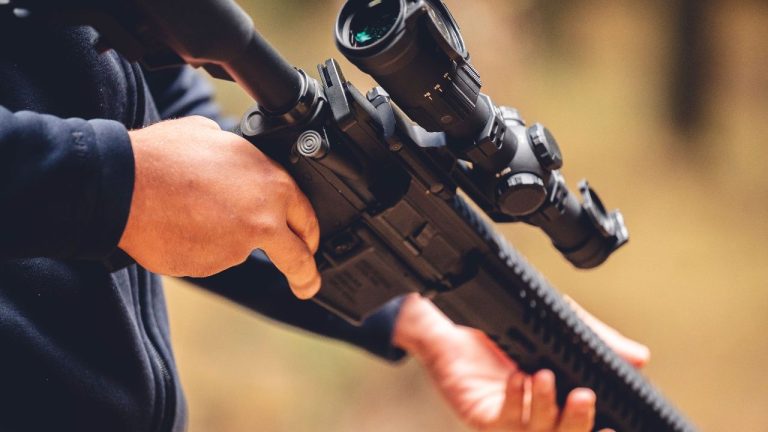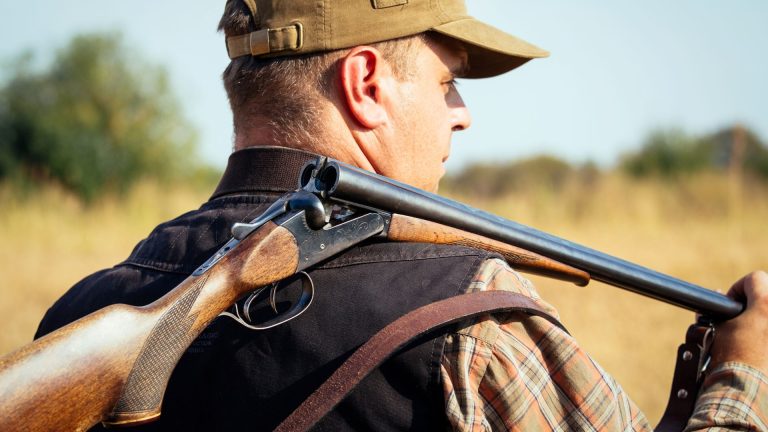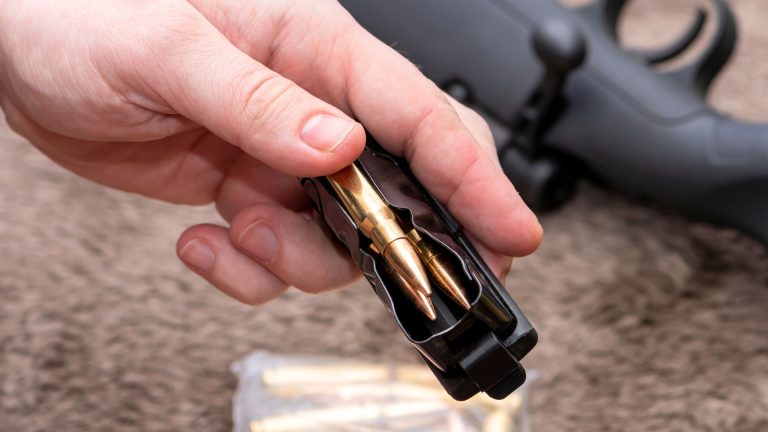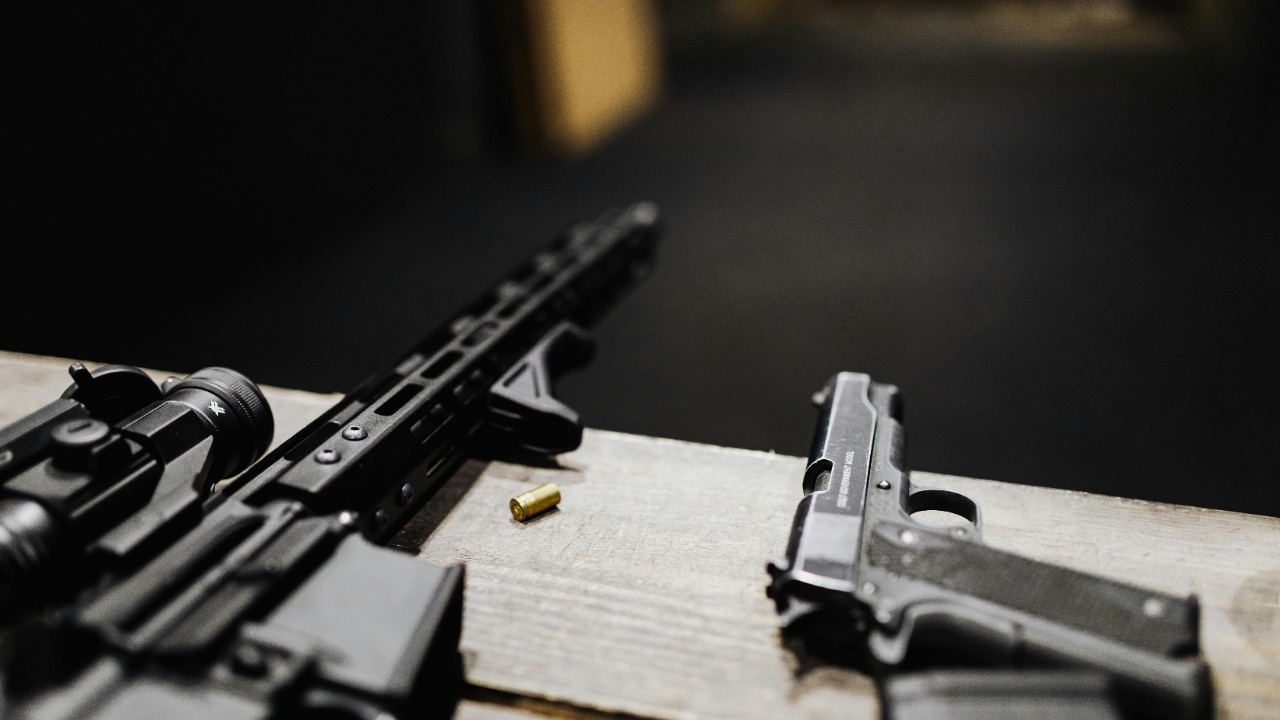
Gun ranges have unwritten rules — 11 etiquette tips every shooter should know
Gun ranges run on more than posted safety rules and laminated signs. The safest, most efficient facilities rely on a shared set of unwritten expectations that keep live fire from turning into chaos. Learning that culture is as important as mastering your grip or sight picture, especially as more new shooters step into lanes for the first time.
Those informal norms boil down to respect: for the firearm, for the staff, and for everyone sharing the firing line. I see good etiquette as a skill set in its own right, one that starts with the classic safety fundamentals and extends to how you park, where you stand, when you talk, and even what you wear. Here are 11 practical etiquette habits that experienced shooters treat as non‑negotiable.
1. Start with the four rules, every single time
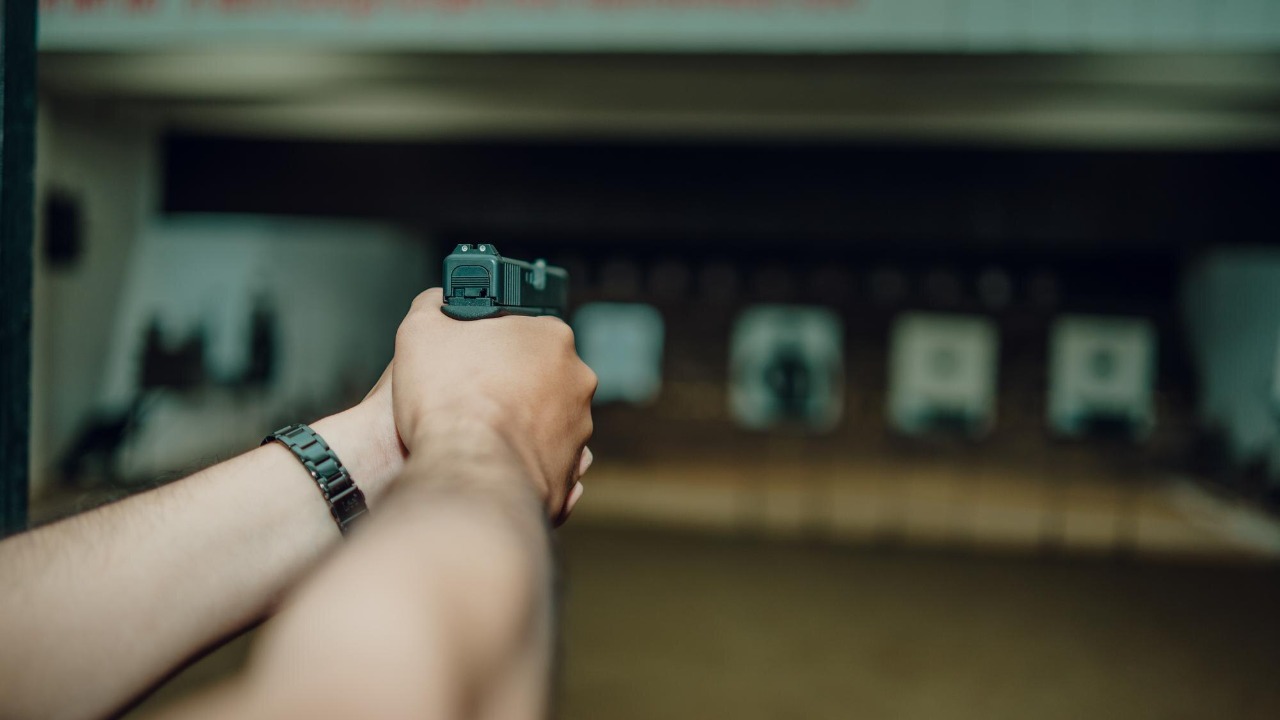
Range etiquette begins long before you tape up a target, with the core safety habits that govern every moment a gun is present. The widely accepted four rules are simple: treat every firearm as if it is loaded, never let the muzzle cover anything you are not willing to destroy, keep your finger off the trigger until your sights are on target and you have decided to shoot, and be sure of your target and what is beyond it. Organizations that train new shooters emphasize that these are not suggestions but the baseline for responsible handling, and they apply in the parking lot, at the bench, and while you are packing up just as much as they do during live fire, a point underscored in formal rules of firearms safety.
Good manners on the line flow directly from those fundamentals. If I keep the muzzle pointed downrange, I am automatically respecting the people to my left and right. If I treat every gun as loaded, I am not the person casually waving a pistol while telling a story. Many ranges build their house rules on top of these four pillars, then add local requirements about eye and ear protection, holster use, or rapid fire. That is why seasoned shooters make a habit of reviewing posted guidance and any printed handouts before they uncase a firearm, instead of assuming that what was acceptable at one facility will be tolerated at another.
2. Respect the range safety officer’s authority
Once you step onto the property, the range safety officer is the final word on what happens next. Their job is not to critique your marksmanship but to manage risk in a place where multiple people are handling loaded firearms at the same time. Many training programs tell new shooters to listen closely to the Range Safety Officer, follow instructions immediately, and ask questions only after the line is safe. That hierarchy can feel strict, but it is what allows strangers with very different skill levels to share a confined space without incident.
Etiquette here is about attitude as much as compliance. I have watched experienced shooters quietly model good behavior by clearing chambers, locking actions open, and stepping back from the bench the moment an RSO calls a cease fire. When someone is corrected for an infraction, the polite response is a simple acknowledgment and a fix, not an argument about how another club does it. That deference extends to administrative details too, from signing waivers to obeying commands about when to enter the range, where to stage gear, and how to signal if you need help. Treating the RSO as a partner rather than an obstacle sets the tone for everyone else on the line.
3. Travel smart and arrive prepared
Good range behavior starts in the parking lot, where careless handling can rattle other shooters before they even reach the firing line. Many facilities ask visitors to keep all guns cased and unloaded until they are at the designated bench, and to avoid handling firearms between vehicles. One women’s shooting group frames this as part of broader Travel smart guidance, which includes staging ammunition, eye and ear protection, and targets so you are not juggling loose gear in a crowded lot. The same source warns against trying to be “mediocre at 10 different guns” on a single trip, urging shooters to bring a manageable selection instead of a trunk full of hardware they will barely touch.
Arriving prepared is also a courtesy to staff and other shooters. When I have my ammunition sorted, my target backers ready, and my range bag organized, I can move quickly through check‑in and avoid clogging the counter while I dig for earplugs. Some clubs publish detailed range etiquette lists that cover everything from where to park to how to carry long guns into the building. Following that advice keeps foot traffic flowing and reduces the odds that someone will be startled by an uncased rifle swinging past their face in a narrow hallway.
4. Know and follow the local rules
Every range has its own culture, and the unwritten rules only make sense once you understand the written ones. Before I load a magazine, I look for posted signs about allowed calibers, rapid fire, drawing from a holster, and steel targets. Some facilities, for example, prohibit certain ammunition types because of backstop design or ventilation limits, a point echoed in guidance that tells shooters to use only allowed ammunition and approved equipment at the range. Ignoring those limits is not just rude, it can damage infrastructure and shut down lanes for everyone.
Several training resources urge shooters to familiarize themselves with house rules before visiting a new facility, sometimes by checking websites that spell out Critical Gun Range Rules and Etiquette Items. Others, including competitive shooting communities, publish detailed range etiquette primers that explain why certain practices, like shooting at glass or unapproved targets, are banned. Taking ten minutes to read those expectations before you arrive is a small investment that prevents awkward corrections and keeps you from becoming the cautionary tale everyone else talks about later.
5. Handle firearms only at the right time
One of the most important unwritten norms is knowing when not to touch your gun. On a shared firing line, timing is everything, especially during cease fires when people are downrange changing targets. Several instructors describe this as a key part of Key Range Etiquette Rules, stressing that during a cease fire, all handling stops, even dry fire practice or equipment adjustments. If you need to work on a firearm, you wait until the line is hot again, then keep the muzzle pointed downrange while you troubleshoot.
Some trainers go further and frame this as one of The Five Unwritten Rules That Matter, with Rule 1 summarized as “Time Your Actions During active shooting, you do not touch your firearm. Period. Even when you are eager to load magazines or tweak optics, you wait for the appropriate command.” That language, highlighted in a separate Rule breakdown, captures why etiquette here is non‑negotiable. When everyone trusts that no one will pick up a gun while people are forward of the line, the entire range feels calmer and more focused, and RSOs can concentrate on coaching instead of constantly policing hands near triggers.
6. Share space and stay in your lane
On a busy day, a firing line can feel like rush‑hour traffic, with brass flying and targets swinging. The unwritten rule that keeps that manageable is simple: stay in your lane. Indoor and structured outdoor ranges assign specific shooting positions, and guidance from range operators stresses that you should remain where you have been placed to shoot, rather than drifting into neighboring spaces or leaning across the divider, a point captured in advice that tells shooters to Stay in your lane unless staff approves a switch.
Sharing space politely also means managing noise and movement. I try to avoid setting up tripods, spotting scopes, or camera gear in ways that block others from accessing their benches. If I am shooting a particularly loud rifle or a short‑barreled pistol with a large muzzle brake, I warn neighbors before I start a string, giving them a chance to double up on hearing protection. Some clubs publish gun safety and etiquette reminders that encourage shooters to be aware of how their gear affects others, from flying brass to concussion. That situational awareness is part courtesy, part safety measure, and it helps keep tempers from flaring when conditions are less than ideal.
7. Mind your targets, backstops, and surroundings
Every bullet that leaves a barrel is your responsibility, and etiquette fills the gap between what is technically allowed and what is wise. Responsible shooters make sure of their target and what lies beyond it, especially on outdoor ranges where terrain and berms can vary. Ammunition makers and range operators alike warn against shooting at glass or other items that can shatter into dangerous debris, urging people instead to use approved paper, cardboard, or steel that will not leave hazards for others. One widely shared set of Basic Principles for range behavior emphasizes that you should never shoot at anything that could send fragments back toward the line.
Good manners also extend to how you set up and take down targets. I avoid stapling paper directly to wooden posts if the range provides backers, because repeated hits can chew through supports and force staff to replace them more often. Some facilities remind shooters to plan what they will pack before they go, including targets and tape, so they are not tempted to improvise with unsafe materials, a point reinforced in guidance that tells visitors to think about what they intend to Make part of their session. Respecting the backstop and infrastructure is not just about avoiding repair bills, it is about ensuring that everyone who comes after you can enjoy a safe, predictable environment.
8. Watch your coaching, conversations, and gear
Ranges are social spaces, but there is a fine line between being friendly and becoming a distraction. Many etiquette guides caution against offering unsolicited advice, especially to strangers who may already be nervous. One breakdown of The Five Unwritten Rules That Matter explicitly tells shooters that before their turn, they should observe closely and avoid giving advice unless asked, a point highlighted in guidance that frames how to behave Before Your Turn. I try to treat the firing line like a library: quiet, focused, and free of side conversations that could pull someone’s attention away from a loaded firearm.
Gear choices can also signal respect, or the lack of it. Some manufacturers advise against wearing clothing that can trap hot brass, such as low‑cut shirts, and recommend washing hands and exposed skin after shooting to remove any lead residue, guidance that appears in Range Basics materials. Others remind shooters to keep muzzles pointed downrange even when posing for photos or adjusting slings, and to avoid sweeping cameras or phones across the line in ways that might startle people. When I keep my own setup tidy and my commentary minimal, I make it easier for everyone around me to stay locked in on what matters most: safe, accurate shooting.
9. Clean up, close out, and leave it better
The final etiquette test comes when the shooting stops. Responsible range users treat cleanup as part of the session, not an optional extra. That means policing your brass if the facility allows it, throwing away used targets, and wiping down benches so the next shooter does not inherit a pile of torn cardboard and empty boxes. One Texas facility spells this out plainly, telling visitors that cleaning up their space after finishing their session, including Cleaning and Collecting spent casings, makes the experience better for everyone involved.

Leo’s been tracking game and tuning gear since he could stand upright. He’s sharp, driven, and knows how to keep things running when conditions turn.