Guns that buyers regret sooner than expected
Most gun regret doesn’t show up at the counter. It shows up a few range trips later, or after you try to make the gun fit a role it was never suited for. On paper, a lot of firearms sound like a smart buy. In your hands, they can turn into awkward, expensive lessons. Weight, recoil, parts availability, maintenance, or plain usability tend to surface fast once the novelty fades.
If you’ve been around guns long enough, you’ve seen these patterns repeat. These are firearms that often disappoint early, even when expectations were reasonable. Not because they’re unusable, but because they don’t deliver what buyers thought they were getting.
Remington R51
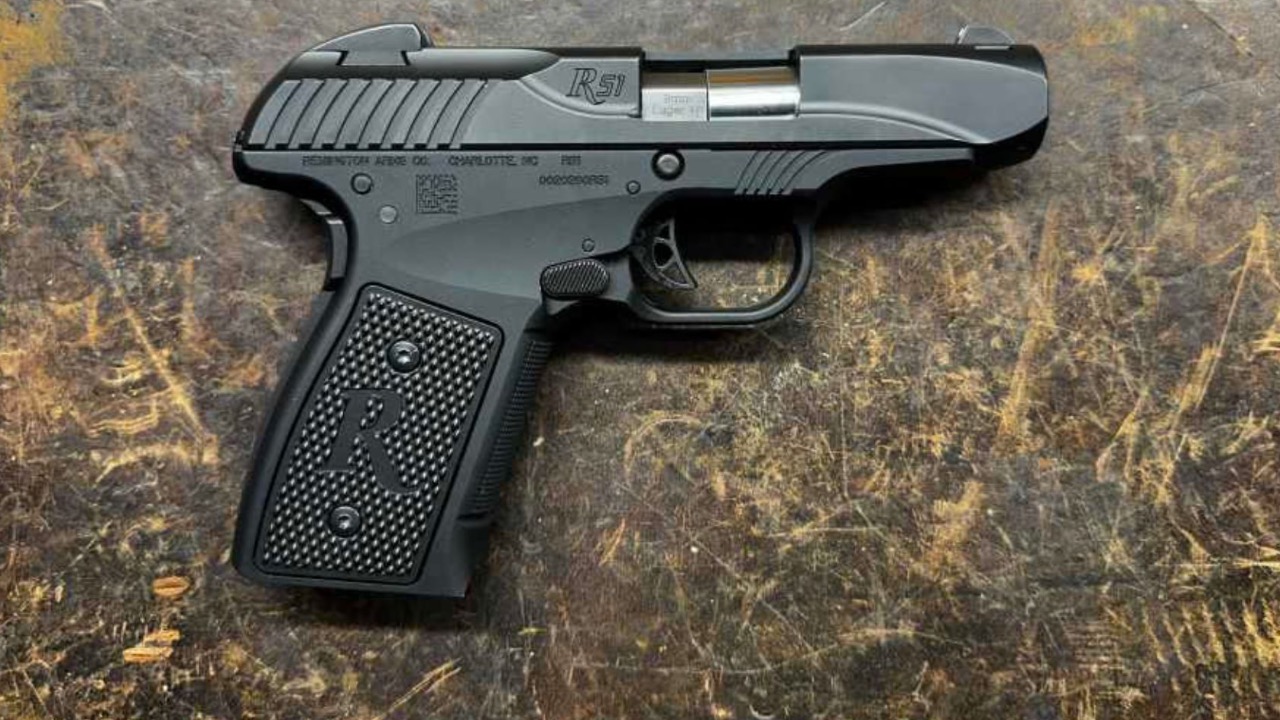
The Remington R51 came back to market with big promises and a lot of curiosity. Buyers expected a slim carry pistol with controllable recoil and modern reliability. What many found instead was inconsistent function and sensitivity to ammo. Even shooters with solid fundamentals ran into feeding issues that showed up early and often.
Ergonomics looked good on paper, but the grip safety and trigger feel didn’t agree with everyone. For a defensive pistol, confidence matters, and that confidence faded fast for many owners. It didn’t take thousands of rounds for regret to set in. A few frustrating range sessions usually did the trick.
Kimber Solo
The Kimber Solo appealed to buyers who wanted a compact 9mm with premium looks. The problem showed up when it came time to shoot it regularly. The pistol often demanded specific ammunition to function well, which isn’t ideal for practice or carry.
Recoil was sharper than expected, and the stiff recoil spring made manipulation harder for some shooters. Accuracy was acceptable, but the shooting experience felt unforgiving. Many buyers realized quickly that a carry gun shouldn’t require special treatment to stay reliable, and that realization came much sooner than planned.
Taurus Judge
The Taurus Judge sells a big idea: versatility. In reality, most owners learn fast that compromise comes with that concept. Accuracy with .410 shells is limited, and .45 Colt performance out of the short barrel rarely impresses.
The revolver is bulky, heavy, and harder to carry than expected. Recoil varies wildly depending on load, and follow-up shots can be slow. After the novelty wears off, many buyers struggle to define a real purpose for it. That uncertainty tends to lead to regret well before the honeymoon period ends.
Springfield Armory Saint Victor (Early Models)
Early Saint Victor rifles attracted buyers looking for a lightweight AR with clean lines. Some quickly discovered that light weight came with sharper recoil and a less forgiving shooting feel. Gas tuning on early examples wasn’t always ideal, especially with mixed ammunition.
Heat buildup during longer sessions showed up fast, and balance felt front-heavy to some shooters. While later versions improved, early buyers often realized they paid a premium for something that didn’t shoot as comfortably as expected. That disappointment surfaced early, especially for shooters used to smoother AR setups.
Savage B.MAG
On paper, the Savage B.MAG looked like an affordable entry into high-velocity rimfire cartridges. In practice, accuracy issues appeared quickly for many shooters. Groups often opened up even with careful ammo selection and solid shooting technique.
The lightweight stock didn’t help stability, and the trigger left little room for forgiveness. For buyers expecting consistent small-game or varmint performance, frustration arrived early. It didn’t take long to realize the rifle demanded more patience than its price suggested, leading many owners to move on faster than expected.
Mossberg 715T
The Mossberg 715T caught attention with its tactical styling and rimfire affordability. Once fired, most buyers realized the appearance promised more than the performance delivered. Accuracy was inconsistent, and the trigger felt vague.
The plastic-heavy construction showed wear quickly, especially around controls. Reliability wasn’t terrible, but it wasn’t confidence-building either. For shooters expecting a fun, reliable trainer, disappointment set in after only a few outings. The gun worked, but it never felt satisfying enough to keep long term.
Kahr CM40
The Kahr CM40 appealed to buyers wanting a small, powerful carry gun. The reality was stout recoil and a long trigger pull that demanded constant focus. Even experienced shooters found extended sessions tiring.
Break-in periods were real, and early malfunctions weren’t uncommon. While some pistols smoothed out over time, many buyers didn’t stick around long enough to see improvement. When a carry gun feels punishing to practice with, regret tends to show up early and stick around.
Henry Long Ranger
The Henry Long Ranger offered a modern take on the lever-action rifle with detachable magazines. Buyers expecting classic handling sometimes felt disconnected from the shooting experience. The trigger and balance didn’t feel like traditional lever guns.
Accuracy was acceptable, but the rifle didn’t excel enough to justify its niche for many shooters. Magazine availability and cost added frustration. It didn’t take long for some owners to realize they preferred either a classic lever gun or a modern bolt action, rather than something in between.
FN Five-seveN
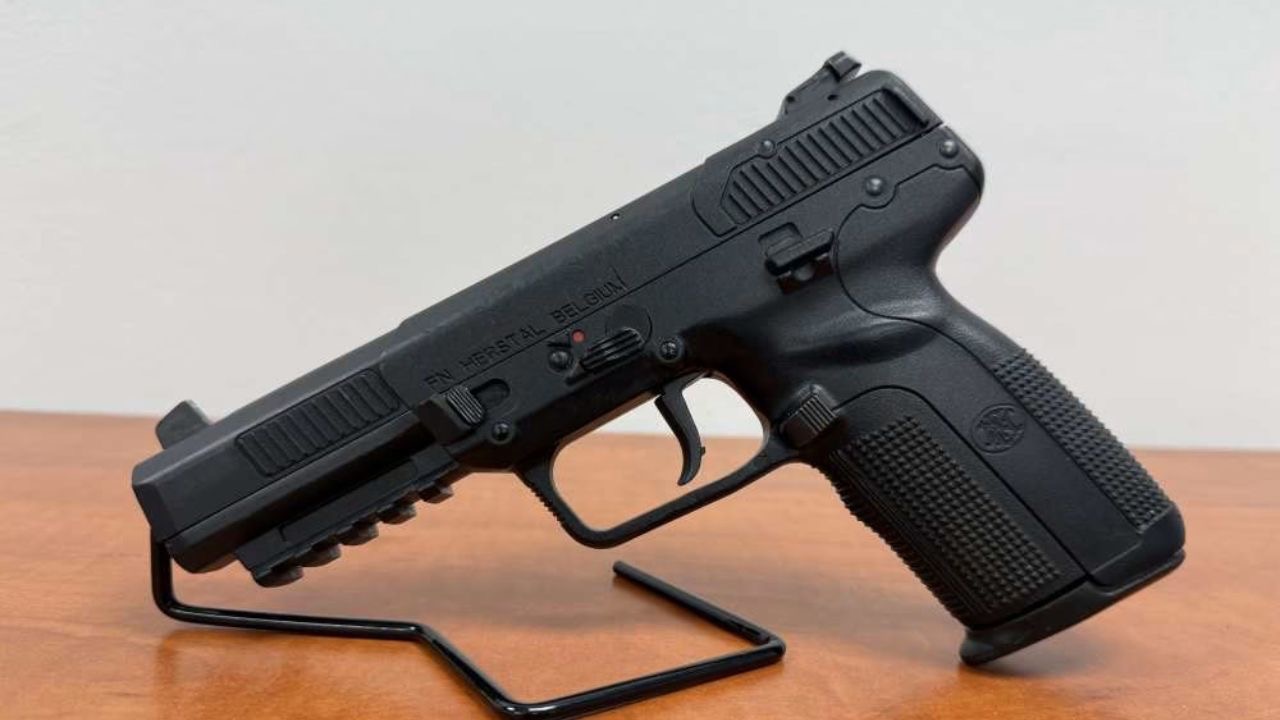
The FN Five-seveN attracts buyers with capacity and low recoil. What often follows is sticker shock beyond the purchase price. Ammunition cost and availability hit hard, especially for shooters who practice often.
The grip feels oversized to many hands, and the trigger doesn’t impress. While performance is consistent, it rarely exceeds expectations. Owners often realize early that the pistol is expensive to own and limited in practical roles. That understanding tends to settle in long before the novelty wears off.
Rossi Circuit Judge
The Rossi Circuit Judge promises rifle accuracy with revolver flexibility. In practice, the long cylinder gap hurts velocity and consistency. Accuracy is usually serviceable, not impressive.
The rifle feels awkward to shoulder, and recoil behavior varies depending on load. Maintenance isn’t complicated, but it’s more involved than buyers expect. After a few range sessions, many owners struggle to justify keeping it. Regret tends to arrive early, once the concept proves better in theory than execution.

Asher was raised in the woods and on the water, and it shows. He’s logged more hours behind a rifle and under a heavy pack than most men twice his age.