Guns that hold together under frequent use
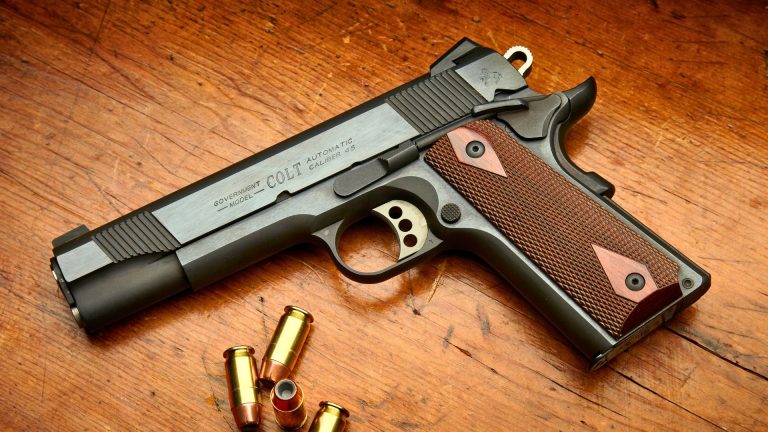
Firearms that see daily carry, weekly range trips, or hard field use live very different lives from guns that sit in a safe. Under that kind of schedule, design shortcuts and marginal materials show up quickly as cracked parts, finicky feeding, or wandering zero. The guns that truly hold together under frequent use share a common DNA: conservative engineering, robust construction, and support from manufacturers that understand high round counts are the rule, not the exception.
From compact pistols to AR-pattern rifles, the market is crowded with options that promise reliability. I focus on the models and design choices that have earned reputations for surviving heavy use, drawing on how major makers build their platforms, how tactical and everyday carry pistols are evaluated, and how even airsoft and industrial “guns” illustrate the same durability principles.
What “holding together” really means for a working gun

Durability in a firearm is not just about avoiding catastrophic failure, it is about maintaining consistent performance as parts wear and conditions change. Basic definitions matter here: Firearms are commonly divided into handguns and long guns, and each category faces different stresses, from the sharp recoil impulse of a short barrel to the heat buildup of sustained rifle fire. A pistol that is carried every day but only fired occasionally must resist sweat, lint, and impacts, while a training rifle might see thousands of rounds in a season and live in dusty bays or wet fields.
On the military side, program documents for next generation small arms stress that, Lastly, reliability remains a critical factor that must account for weather, environment, and extended usage. That same logic applies to civilian shooters who rely on a handgun for self defense or a carbine for home protection. A gun that “holds together” is one that cycles cleanly when dirty, resists corrosion, and keeps its sights and zero stable after repeated recoil and handling, not just one that survives a single torture test.
Big-name manufacturers and the durability baseline
When I look for pistols and rifles that can stand up to frequent use, I start with manufacturers that have built their brands on long service lives. Companies like Beretta have supplied sidearms and long guns to militaries and police forces around the world, which forces them to design for high round counts, rough handling, and minimal maintenance. That institutional feedback loop tends to filter down into their commercial lines, where locking systems, finishes, and small parts are chosen with endurance in mind.
American stalwarts such as Smith & Wesson and Ruger occupy a similar space, with broad catalogs that range from polymer striker pistols to revolvers and rugged rifles. Their reputations were built on revolvers and duty pistols that had to function in patrol cars and on duty belts for years at a time, and that heritage still shapes how they machine frames, treat barrels, and support parts replacement. Starting with these kinds of manufacturers does not guarantee perfection, but it does set a higher baseline for guns that will be shot and carried often.
Everyday carry pistols that survive constant carry and training
For everyday carry, the market has converged on a few polymer-framed pistols that are widely regarded as workhorses. Enthusiast guides note that, Yes, Glock pistols, particularly the Glock 19, are highly regarded for reliability, ease of use, and effective performance, which is why they show up so often in holsters and training classes. That reputation is not accidental, it comes from a simple striker-fired mechanism, generous chamber dimensions, and a track record of running with a wide range of ammunition and magazines.
Other compact pistols have carved out similar roles. The Reliability, The Sig P365 is built to withstand heavy use and is designed to function in extreme conditions, which has made it a favorite among concealed carriers who still train regularly. At the smaller end of the spectrum, reviews of the Everyday Reliability Smith & Wesson Bodyguard 2.0 emphasize that Wesson has built its reputation on reliability, and that this compact pistol is intended to be depended on in everyday carry and defensive situations, not just occasional range trips.
Tactical and duty pistols built for high round counts
Once you move from concealed carry into tactical or duty roles, the durability bar rises again. Evaluations of modern service-style pistols highlight models like The Walther PDP, which continues the PPQ’s legacy of featuring what reviewers call one of the world’s best stock striker-fired triggers, combined with the features that those seeking a tactical pistol would want. That combination of shootability and robust construction is critical for guns that might see thousands of rounds in structured training, plus daily carry on a duty belt.
Caliber choice also plays into longevity and versatility. Multi-caliber platforms and cartridges like 10 mm are often praised for their ability to handle a wide range of tasks, with one guide noting that There is not much that 10 mm cannot take care of as far as pistols go. That kind of performance, however, demands strong locking lugs, well supported chambers, and recoil systems that can absorb repeated full power loads without battering frames or small parts, which is why serious 10 mm pistols tend to be built on reinforced platforms.
Glock, CZ and other proven workhorses for training and emergencies

Among semi automatic pistols, few names are as closely associated with durability as Glock. Coverage of hunting oriented 10 mm handguns points out that Dec, The Glock (Glock handguns) is still one of the most popular 10 mms on the market due to the durability and reliability that shooters expect from a Glock, which is the same reason many law enforcement agencies continue to issue the brand. That kind of endorsement reflects not just marketing, but years of service use where guns are dropped, exposed to the elements, and run hard in training.
In more informal settings, the same models keep surfacing when shooters discuss “one or two guns” to keep for emergencies. In a community discussion about practical choices, one contributor notes that a CZ p10c is a great gun for home defense that could also serve as a carry gun if needed, highlighting its balance of size, capacity, and reliability. When enthusiasts with no brand loyalty converge on a short list of pistols that they trust for both training and emergencies, it is usually because those guns have proven they can stay in the fight after thousands of rounds and years of carry.
Rifles, AR platforms and the demands of sustained fire
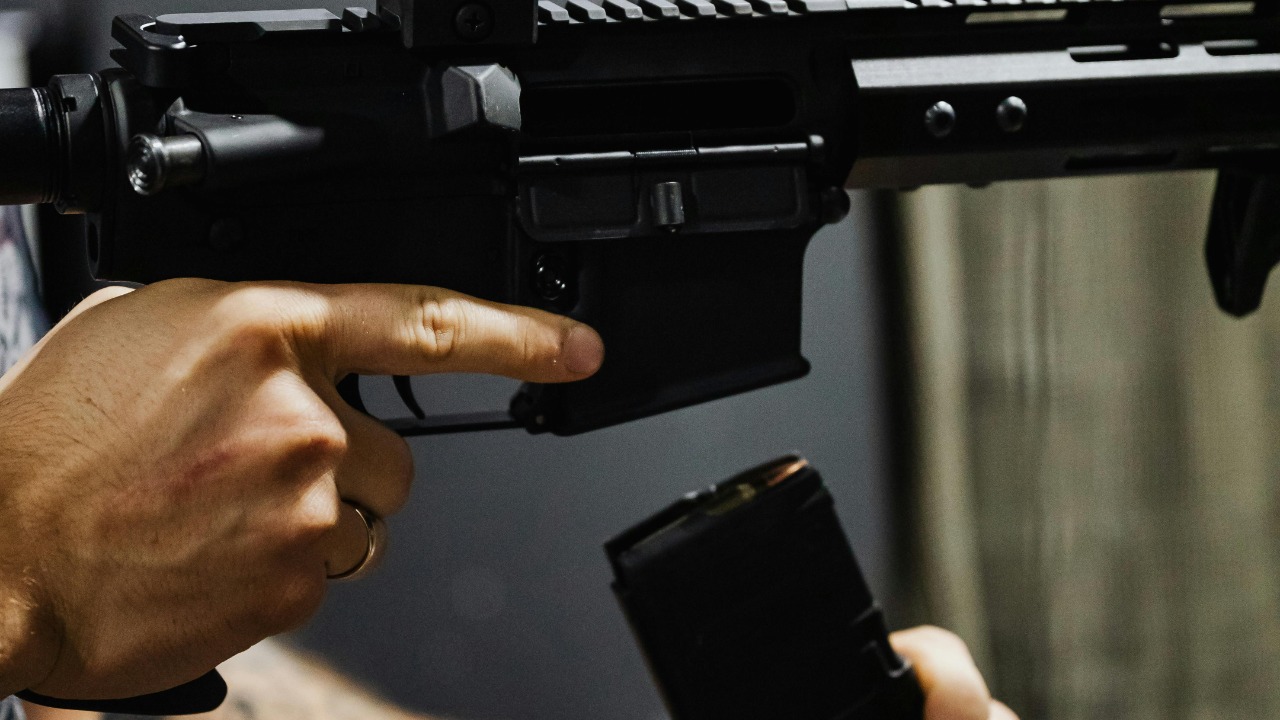
Long guns face a different durability test, especially semi automatic rifles that may be fired in strings that rapidly heat barrels and gas systems. In the AR world, builders emphasize that, The AR platform is highly customizable, allowing shooters to combine quality lowers, uppers, and premium components to create a rifle tailored to their specific needs. When durability is the priority, that usually means cold hammer forged or nitrided barrels, properly staked gas keys, and receivers machined from proven alloys rather than bargain basement castings.
Some branded ARs are marketed explicitly on their ability to withstand regular use. One example is the High, Quality Construction, Made, Trump MAGA Victory AR, which is described as being made from premium materials and designed for durability and longevity so it can withstand the rigors of regular use. Regardless of politics or branding, the underlying message is that material choice and assembly quality determine whether an AR will keep its accuracy and reliability after repeated range sessions, classes, and matches.
What airsoft and industrial “guns” teach about constant use
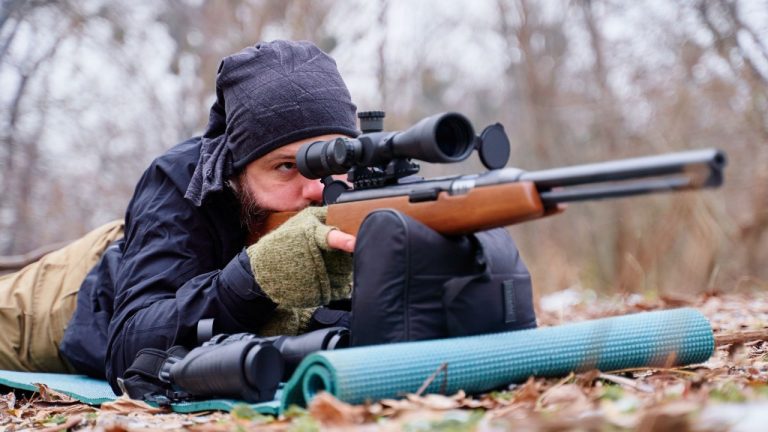
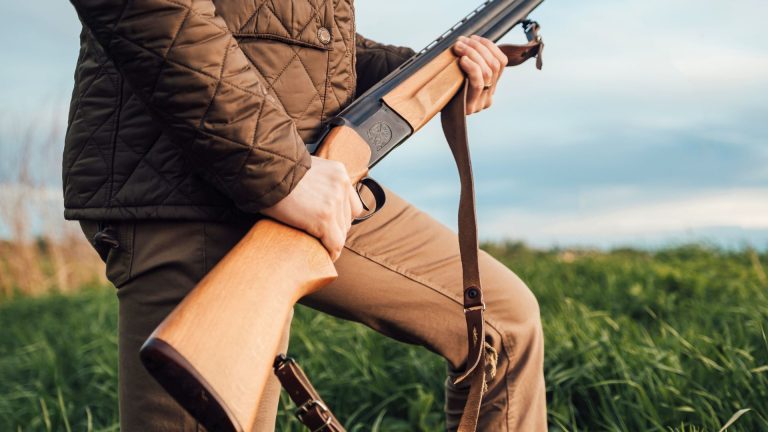
Durability lessons are not limited to live firearms. In the airsoft world, spring powered rifles are often recommended for players who want simple, repeatable performance, with guides noting that The rifles’ simplicity translates to minimal maintenance and reliable performance shot after shot. That same principle, fewer moving parts and robust springs and seals, is exactly what keeps a pump shotgun or bolt action rifle running in harsh conditions with little care.
Industrial tagging tools offer a parallel example. In high volume retail or warehouse operations, managers are advised that High volume operations might benefit from heavy duty guns that are designed for constant use, because cheaper tools wear out quickly under continuous squeezing and impact. The logic is identical to choosing a duty pistol or training rifle: if a device will be used all day, every day, it must be built from stronger materials, with parts that can be replaced or serviced without scrapping the entire tool.
Materials, maintenance and the human factor
Even the best designed gun will not last if it is built from subpar materials or neglected by its owner. Advice aimed at everyday carriers stresses that, Additionally, Look for durability, especially if you plan to carry your pistol daily, and choose firearms made from high quality materials that can withstand the rigors of daily use. That means corrosion resistant finishes, robust polymer frames or metal alloys, and magazines that will not deform when dropped on concrete.
Maintenance and user behavior complete the picture. Even simple platforms like spring powered airsoft rifles, which are praised because reliable performance comes with minimal upkeep, still benefit from occasional cleaning and inspection. For centerfire guns, regular lubrication, timely replacement of recoil and magazine springs, and attention to small parts like extractors and pins can extend service life dramatically. The most durable guns are those that combine conservative engineering, proven materials, and owners who treat them as life safety tools rather than disposable gadgets.
Pairing platforms and calibers for long-term use
Durability is also about system choices, not just individual models. Some shooters deliberately pair handguns and carbines that share magazines or calibers to simplify logistics and reduce wear on any single gun. One guide to matching platforms highlights combinations like CMMG MkGs carbines with Glock pistols and Ruger 5.7 handguns with Ruger LC Carbines, framing them as Dec, Perfect Pairs in The Best Handgun and Rifle Pairs category. When a shooter can train with a carbine and pistol that share ammunition or manual of arms, it becomes easier to spread round counts and keep each gun within its comfort zone.
Major manufacturers lean into this strategy. Ruger, for example, offers both the Ruger 5.7 pistol and the LC Carbine chambered in the same 5.7 cartridge, while Glock’s ecosystem of pistols and compatible carbines from companies like CMMG allows shooters to build a family of guns around a single magazine pattern. By thinking in terms of durable systems, rather than isolated purchases, high volume shooters can ensure that their gear not only survives frequent use but does so in a way that is sustainable over years of training and real world carry.

Leo’s been tracking game and tuning gear since he could stand upright. He’s sharp, driven, and knows how to keep things running when conditions turn.