Four firearm safety rules every shooter should follow
Every safe shooter I know lives by four core firearm safety rules, no matter what they are carrying or where they are shooting. These rules show up in every serious training program for a reason: they prevent tragedies before they start. If you want to handle guns like an adult, you build these habits until they are automatic.
1. Treat Every Firearm as Loaded
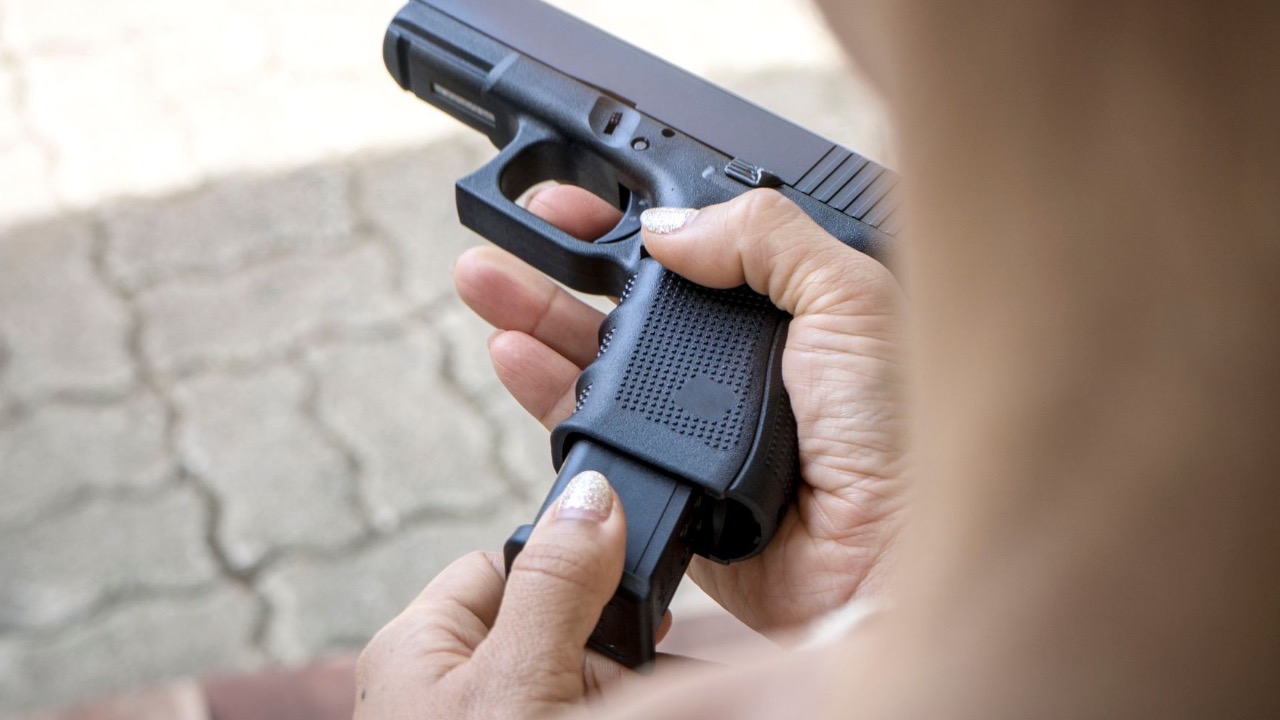
“All guns are always loaded” is how Col. Jeff Cooper framed Rule No. 1, and that wording still anchors modern training. The explanation of Rule No. 1 from Gunsite Academy circles back to the same point, noting that even when a gun is unloaded, I should behave as if a live round is in the chamber. The NRA’s pistol guide repeats that idea so new shooters build the habit from day one instead of flipping a mental switch on and off.
When I treat every rifle, shotgun, or pistol as loaded, I stop doing lazy things like grabbing a gun by the muzzle or leaving it unattended on a tailgate. That mindset also covers the handoff moment, when one person passes a firearm to another. If both of us assume it is loaded until we personally verify the condition, we close off one of the most common paths to a negligent discharge in homes, trucks, and deer camps.
2. Control the Muzzle Direction
Once I accept that every firearm is loaded, the next step is keeping the muzzle off anything I am not willing to destroy. Cooper’s Rule No. 2 is often summarized as “Never point your weapon at anything you are not willing to destroy,” and modern programs echo that language. One breakdown of the rules of gun safety lists “Never” as the second pillar, right after “All,” to drive home that there are no exceptions for quick photos, social media videos, or horseplay.
On a range, that means the bore stays downrange or straight up, even when I am moving between benches or packing up. In the field, it means I pay attention to where the barrel is pointing as I cross fences, climb into a stand, or ride in a side-by-side. If the muzzle never covers a person, pet, or truck cab, an unexpected discharge turns into a scare instead of a funeral.
3. Keep Your Finger Off the Trigger
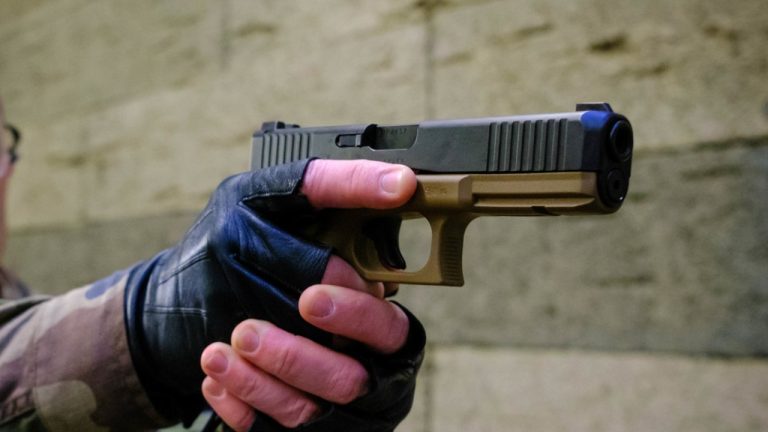
Cooper’s third rule is simple: finger off the trigger until the sights are on target and I have made the decision to fire. A visual guide to the firearm safety rules boils it down to “Finger off the trigger,” matching the NRA’s reminder that the index finger belongs straight along the frame or receiver, outside the trigger guard. That position keeps sympathetic squeezes, trips, or startle responses from turning into unintended shots.
Real-world shootings are full of stress, and stress makes hands clamp down. If my finger is already on the trigger while I am running, opening a door, or shouting commands, I am one stumble away from firing a round I never meant to send. By keeping contact with the trigger as the final step, after the sights settle and the decision is made, I buy myself a crucial margin of safety in hunting blinds, competition stages, and defensive encounters.
4. Know Your Target and Beyond
The fourth rule ties everything together: I must identify my target and what lies in front of it, behind it, and around it before I press the trigger. One detailed look at The Four Firearms Safety Rules explains that bullets do not stop at the target line, and Cooper’s wording about knowing the foreground and background reflects that reality. Another breakdown of Jeff Cooper’s four basic rules repeats that “All guns are always loaded” and ties it directly to being sure of what those rounds might hit.
In the woods, that means I confirm antlers, body, and backdrop before shooting, instead of firing at “movement” or a flash of brown. On a range, it means I understand what the berm is built from and whether there are roads, houses, or trails beyond it. Every missed shot and every pass-through has to land somewhere, and knowing my target and beyond is how I keep those impacts off neighbors, livestock, and other hunters.
5. Wear Proper Protective Gear
On top of Cooper’s four rules, I treat eye and ear protection as mandatory every time I shoot. The NRA’s guide to firearms maintenance spells out that shooters should wear safety glasses to guard against ejecting brass, unburned powder, and cleaning solvents, and that plugs or muffs are needed to blunt the sharp crack of gunfire. Occupational rules for ranges, including hearing protection standards, treat repeated exposure to high-decibel blasts as a workplace hazard, not a minor annoyance.
In practical terms, that means I keep clear wraparound glasses and quality muffs or plugs in my range bag and truck, and I hand them to new shooters before they ever touch a firearm. A single hot casing down someone’s collar or a painful muzzle blast near bare ears can panic a beginner and wreck their focus on the other safety rules. Good protective gear keeps everyone comfortable and alert, which is exactly what you want when live rounds are in play.

Asher was raised in the woods and on the water, and it shows. He’s logged more hours behind a rifle and under a heavy pack than most men twice his age.