Rifles that feel outdated for the wrong reasons
There’s a difference between a rifle that carries history and one that feels stuck. Plenty of older designs still earn their keep because they do something well and do it consistently. Others hang around mostly on reputation, even though newer options solved their problems years ago. When you spend enough time behind a trigger, you start noticing which rifles make you work harder than necessary. That doesn’t make them unusable, but it does make them feel tired in ways that don’t add up anymore. These are rifles that feel outdated not because of age, but because better answers already exist—and you notice it every time you shoulder one.
Remington 742 Woodsmaster
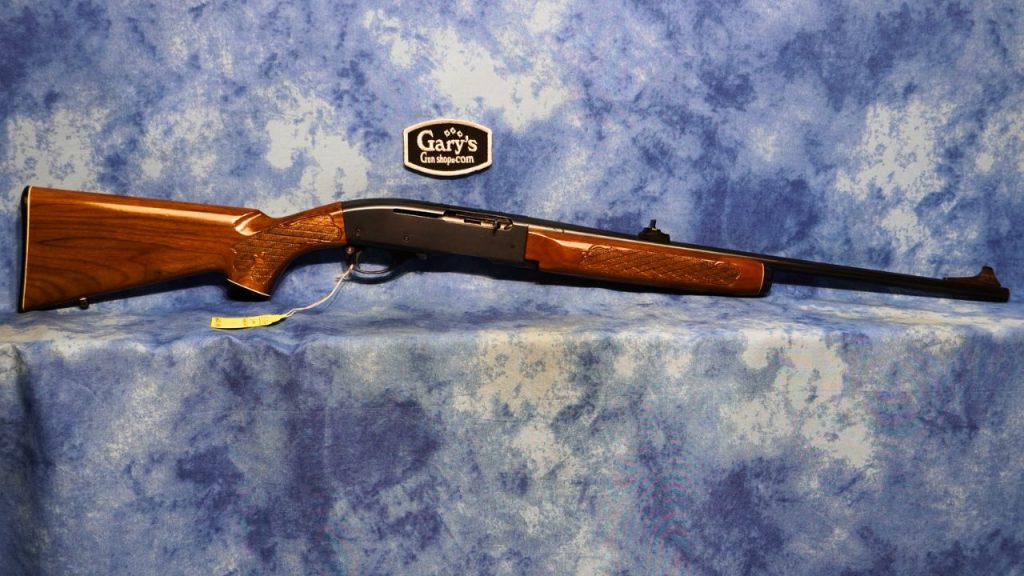
The Remington 742 looks great in a rack, but time hasn’t been kind to its internals. The action is sensitive to fouling and wear, especially around the rails, and once problems start, they rarely improve. You can baby it, but it still demands more care than most modern hunting rifles.
Accuracy is usually acceptable at short range, but consistency fades fast. When parts wear, replacements aren’t always easy to find, and many gunsmiths won’t touch them. It feels outdated because reliability shouldn’t be a gamble, especially when modern semi-autos handle abuse far better without the drama.
Ruger Mini-14 (Older Models)
Early Mini-14 rifles earned a reputation for wandering groups, and many never escaped it. Thin barrels heat quickly, and once they do, your point of impact can drift enough to matter. You can manage it, but you’re always working around the rifle instead of with it.
Controls feel dated, optics mounting is awkward compared to newer platforms, and magazines are hit or miss. Later versions improved, but older Minis still circulate heavily. They feel outdated because modern rifles deliver better accuracy, easier upgrades, and fewer compromises without losing reliability.
Mosin-Nagant 91/30
The Mosin-Nagant is tough, but that toughness comes with tradeoffs that feel unnecessary today. The bolt lift is stiff, the trigger is heavy, and ergonomics are punishing during long sessions. You can learn it, but you never forget you’re adapting.
Accuracy varies wildly between rifles, and optics mounting often feels forced rather than natural. Recoil and stock geometry don’t help consistency either. It’s outdated for the wrong reasons because modern budget rifles shoot better, handle better, and demand less effort without giving up durability.
SKS
The SKS occupies a strange middle ground that no longer makes much sense. It’s heavier than modern sporting rifles and slower to reload than detachable-mag platforms. The fixed magazine and stripper clips work, but they feel clumsy compared to current options.
Accuracy is serviceable, but rarely impressive. Optics mounting remains awkward, and modifications often cause more issues than they solve. The rifle runs, but it doesn’t excel. It feels outdated because newer rifles offer similar reliability with better ergonomics, easier upgrades, and far more flexibility in real-world use.
Winchester Model 94 (Pre-Angle Eject)
The classic Model 94 earned its reputation, but older versions show their age quickly. Top-eject designs limit optic options, and iron sights aren’t always enough anymore. You can hunt with it, but you’re boxed into older solutions.
Trigger feel varies, and mounting modern accessories often feels like a workaround. Ballistics from traditional chamberings also limit range. It feels outdated because current lever guns fixed many of these issues while keeping the handling people love. This version asks you to accept limits that no longer need to exist.
Remington 770
The Remington 770 was meant to be affordable, but cost-cutting shows everywhere. The bolt feels rough, the stock flexes, and long-term durability is questionable. Even careful shooters notice parts wearing sooner than expected.
Accuracy can be acceptable, but consistency is the problem. Triggers are heavy, and upgrading parts rarely makes sense. It feels outdated because modern entry-level rifles cost similar money and perform far better. When a rifle feels disposable rather than dependable, the design has already fallen behind.
Savage Axis (Early Generation)

Early Savage Axis rifles gained attention for price, not refinement. The action works, but the stock feels hollow and flex-prone. Ergonomics are basic, and balance leaves something to be desired during longer hunts.
Triggers improved over time, but early models lacked adjustability. Accuracy varies, and recoil management suffers due to lightweight construction. It feels outdated because newer budget rifles corrected these flaws without raising prices much. You notice the shortcuts immediately, especially if you’ve spent time behind more refined bolt guns.
Ruger M77 Mark II
The M77 Mark II is strong, but that strength comes with quirks. The controlled-round feed appeals to some, but bolt travel can feel stiff. Triggers often need work to reach their potential.
Stock fit isn’t ideal for everyone, and recoil pads on older models leave little forgiveness. Accuracy is usually decent, but rarely standout. It feels outdated because modern bolt guns offer smoother actions, better factory triggers, and improved ergonomics without sacrificing reliability. The rifle still works, but it makes you work harder than necessary.
Browning BAR (Older Hunting Models)
Older Browning BAR rifles carry weight in every sense. They’re heavy, long, and not especially friendly to optics mounting compared to modern semi-autos. Balance suffers during long carries or quick shots.
Accuracy is fine, but maintenance is more involved. Triggers are rarely great, and field stripping isn’t convenient. It feels outdated because newer semi-auto hunting rifles shed weight and simplify upkeep while delivering similar or better performance. The BAR still functions, but it feels anchored to another era.
Marlin XL7
The Marlin XL7 showed promise, but execution lagged. Stocks feel cheap, bolts lack smoothness, and long-term durability raised concerns. When everything lines up, accuracy can surprise you, but consistency is the problem.
Fit and finish don’t inspire confidence, and aftermarket support is limited. It feels outdated because newer rifles fixed these issues without increasing complexity. When a rifle feels like it almost got there, it reminds you how quickly design standards move forward.
CZ 527
The CZ 527 has charm, but its quirks limit appeal today. The single-set trigger is unusual, and magazine fit can feel awkward. The action is small, which helps weight but hurts ergonomics for some shooters.
Accuracy is solid, but optics mounting options are dated. Stock geometry doesn’t suit everyone, especially with modern scopes. It feels outdated because newer compact rifles offer similar accuracy with better mounting systems and fewer oddities. The rifle works, but it asks for more adjustment than many shooters want.
Thompson/Center Venture
The Venture was accurate, but the rest of the rifle felt behind the curve. Stocks were stiff but awkward, and bolt lift lacked refinement. Triggers were usable, not memorable.
Support dried up quickly after production stopped, making parts and upgrades harder to find. It feels outdated because modern rifles emphasize long-term support and modularity. When a rifle performs well but feels abandoned, the design ages faster than it should.

Asher was raised in the woods and on the water, and it shows. He’s logged more hours behind a rifle and under a heavy pack than most men twice his age.