House-Passed Bill Would Allow Changes to Diesel Emissions Systems
The House-passed proposal to let farmers alter diesel emissions systems marks a sharp break from how pollution controls have been enforced on heavy equipment for more than a decade. Supporters cast the change as basic protection for producers who are tired of engines derating or shutting down in the middle of planting and harvest, while opponents warn it would invite more tampering and higher pollution just as federal regulators insist the rules are staying in place.
The fight over diesel exhaust fluid systems sits at the intersection of farm policy, environmental law, and a broader national push to relax enforcement on emissions “deletes.” The outcome will help determine whether diesel engines in fields and on highways run cleaner but more complex, or simpler but with far fewer guardrails on air quality.
What the Iowa House bill would actually do
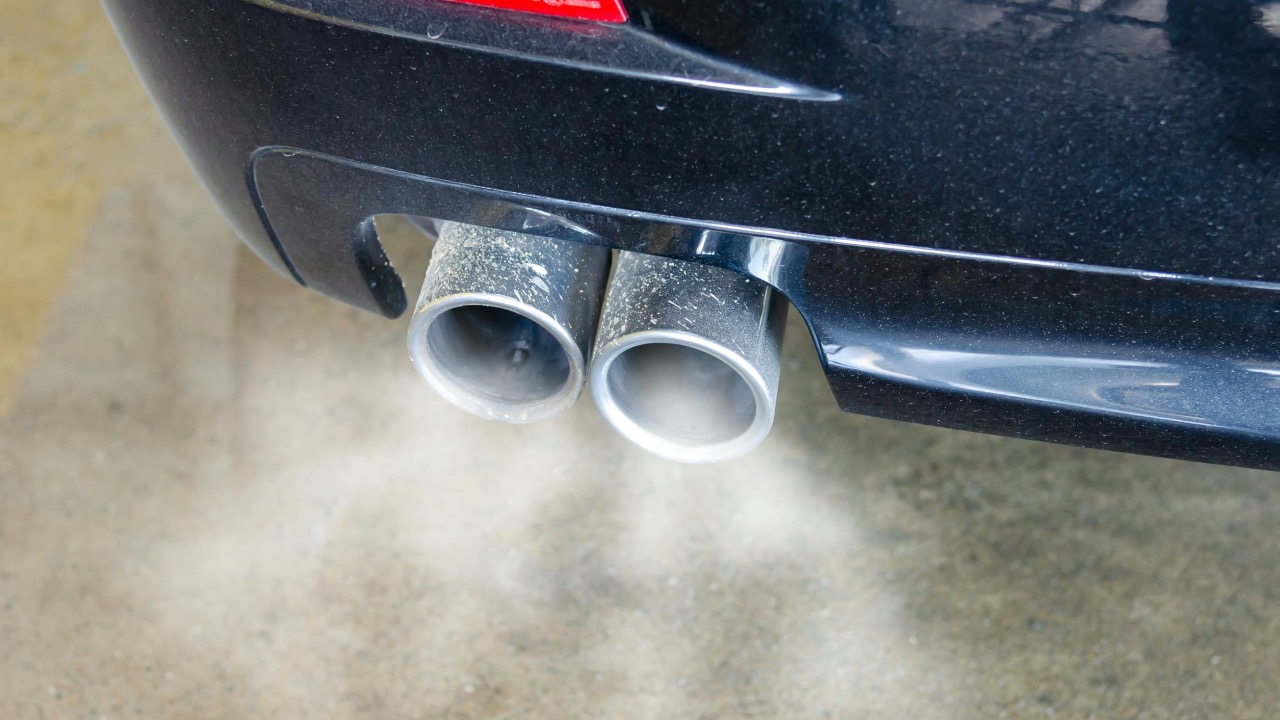
The Iowa House advanced a bill on a Monday in early March that would allow farmers to disable the diesel exhaust fluid, or DEF, systems required on most modern agricultural equipment. Framed as part of a broader effort to ease what supporters see as a burdensome requirement from previous administrations, the measure is aimed squarely at the emissions controls on tractors, combines, and other diesel-powered machinery. Under the House language, farmers could legally bypass or modify those DEF systems on equipment used in the field, even though the systems were installed to comply with federal pollution rules.
Backers in The Iowa House argue that DEF-related shutdowns and derates have become a serious threat to time-sensitive work, especially during planting and harvest windows when a disabled tractor can put an entire operation behind schedule. Reporting on the debate describes how Mar supporters portrayed the bill as a way to protect producers from costly downtime and repair bills tied to complex emissions hardware, while critics countered that the change would encourage tampering that remains prohibited under federal law. The state-level measure would not rewrite federal statutes, but it would give farmers in Iowa a shield from state enforcement for disabling their DEF systems, as described in coverage of how farmers could disable.
How federal regulators are trying to fix DEF problems without more pollution
As Iowa lawmakers move to relax state rules, federal regulators have been working on a different solution to the same frustrations. The U.S. Environmental Protection Agency announced in Aug that it would allow manufacturers to update software on heavy-duty diesel engines so that sudden shutdowns tied to DEF system faults are less likely to strand vehicles or equipment. The agency described this as a way to protect hard-working American farmers, truckers, and other diesel equipment operators from abrupt derates while still keeping emissions controls in place across the existing fleet.
Under the EPA guidance, manufacturers can adjust how engines respond when sensors detect problems in the DEF system, giving operators more warning and flexibility instead of an immediate loss of power. The agency framed the move as a technical fix that preserves the environmental benefits of selective catalytic reduction while addressing the real-world reliability concerns that producers and drivers have raised. In public messaging, the EPA described the as a targeted way to keep engines running and reduce the incentive for illegal deletes, rather than an invitation to bypass pollution controls altogether.
State efforts versus a federal Clean Air Act that still bans tampering
The Iowa House bill sits awkwardly alongside federal law, which still treats emissions tampering as illegal under the Clean Air Act. Even as states like Iowa consider giving farmers more leeway to alter their equipment, the Justice Department has reinforced that emissions deletes and tampering remain violations that can trigger civil penalties. Federal enforcement has shifted somewhat, with a recent decision to pull back on some criminal prosecutions of diesel emissions delete cases, but civil fines can still reach tens of thousands of dollars per vehicle and enforcement in some aligned states remains aggressive. That means a farmer who disables a DEF system under state protection could still be exposed if federal regulators or cross-state investigations become involved, as described in coverage of how emissions deletes andare treated.
At the same time, some members of Congress are pushing legislation that would go far beyond Iowa’s approach and curb federal oversight itself. The Diesel Truck Liberation Act, identified in federal records as S.3007, seeks to prohibit enforcement of laws related to the installation, certification, and maintenance of emissions control devices under the Clean Air Act. The bill would effectively bar the federal government from policing certain aspects of diesel emissions equipment, and related proposals have been described as efforts to shield mechanics and owners from liability for installing or operating deleted systems. The text of S.3007, the Diesel, shows how far some lawmakers are prepared to go in rewriting the enforcement framework that has governed diesel emissions for years.
The broader push to roll back diesel emissions rules
The Iowa House bill is part of a larger political and legal campaign to loosen diesel emissions restrictions across sectors. At the federal level, the Big Beautiful Bill has already repealed certain diesel emissions programs, reshaping truck fleet policy and easing compliance pressure on some operators. That measure affects how states, municipalities, and fleets manage their vehicles, and it signals a willingness in Congress to unwind programs that were designed to cut nitrogen oxides and particulate matter from diesel exhaust. Reporting on how Big Beautiful Bill makes clear that the current debate is not confined to farms or a single statehouse.
Alongside that legislative rollback, other proposals seek to reshape the balance between environmental enforcement and economic concerns. The Diesel Truck Liberation Act has been described as an effort to save owner-operators from what supporters call emissions overreach, targeting federal oversight of systems, injectors, and control modules that are central to modern emissions controls. Advocates argue that independent truckers and small shops have been hit hardest by complex rules and steep penalties, while environmental advocates warn that weakening enforcement would invite a new wave of deleted diesels on highways. Analysis of how a new bill could shows how these national efforts mirror the grievances that Iowa lawmakers are responding to at the state level.
EPA insists deleted diesels remain illegal even as rules shift
Federal regulators have tried to draw a bright line between technical adjustments to reduce downtime and outright removal of emissions controls. In an official communication highlighted in Oct, EPA Admin Lee Zeldin made it clear that diesel emissions rules will stay in place and that deleted diesels are illegal, even as the agency pursues a plan to roll back certain rules. That message aims to reassure environmental advocates that key protections remain intact while signaling to farmers and truckers that the agency is open to revising how those protections are implemented. The video of EPA Admin Lee underscores that, in the agency’s view, there is a difference between software updates that prevent unnecessary shutdowns and hardware deletes that defeat pollution controls.
That distinction is central to how the EPA has described its DEF strategy. In a Washington announcement, the U.S. Environmental Protection Agency said it was greenlighting a DEF fix that would protect hard-working American farmers, truckers, and other diesel equipment operators from sudden shutdowns while still preserving emissions reductions across the existing fleet. The agency framed the move as a practical response to real-world complaints, not a retreat from the Clean Air Act. In that statement, the U.S. Environmental Protection emphasized that the fix is meant to be applied to the existing fleet, which suggests that regulators expect manufacturers and operators to keep emissions systems installed and functioning even as they seek more flexibility in how engines respond to faults.

Leo’s been tracking game and tuning gear since he could stand upright. He’s sharp, driven, and knows how to keep things running when conditions turn.