How to Choose a Pistol That Feels Right in Your Hand
A pistol that truly fits your hand is not a luxury detail, it is the foundation of safe handling, fast control and consistent accuracy. When the grip size, shape and controls match your anatomy, recoil is easier to manage, your sights return to target faster and you are less likely to fumble under stress. Choosing that kind of fit is a methodical process, not a guess at the gun counter.
I look at it the same way I would a pair of work boots or running shoes: the right model is the one that matches your purpose and your body, not the one that happens to be popular. With handguns, that means understanding how your hand size, strength and training interact with grip dimensions, trigger reach and control layout, then testing specific pistols until one feels like an extension of your arm.
Start with purpose, then narrow the field
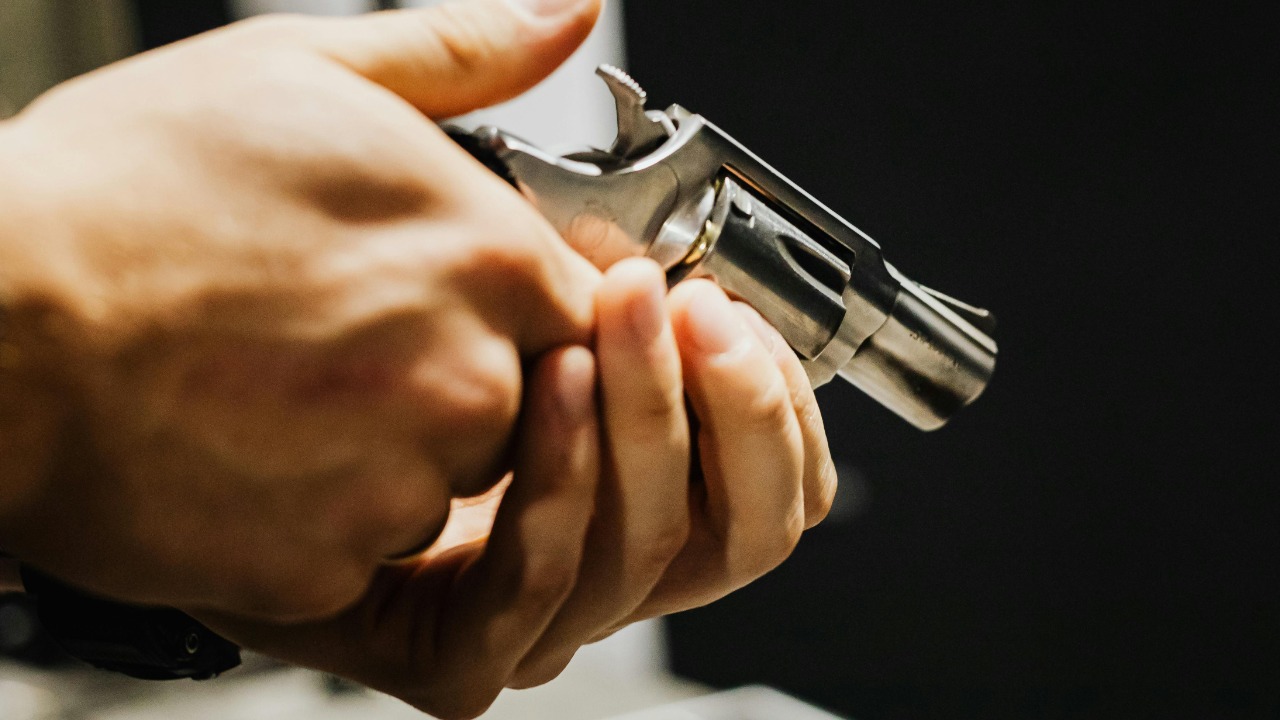
The first step is deciding what you want the pistol to do, because a concealed carry gun, a home‑defense pistol and a range toy often demand different compromises. Training guides on how to choose a gun stress that the Purpose for Your should drive everything from size to caliber and even how much maintenance you are willing to perform. A compact pistol that disappears under a T‑shirt may be ideal for daily carry, but a larger frame with more grip surface can be easier to shoot well in a home‑defense role, especially for newer shooters.
Once the role is clear, I narrow the field to reputable manufacturers and proven platforms, then focus on ergonomics rather than brand loyalty. Major makers like SIG and Smith & Wesson offer multiple frame sizes and backstrap options built on the same operating system, which lets you prioritize how the gun sits in your hand without sacrificing reliability. I also pay attention to whether the pistol will realistically be carried or mostly live in a safe, because that affects how much weight and grip length I am willing to accept.
What “fit” really means in your hand
Fit is not a vague feeling, it is a set of concrete checkpoints that tell you whether the pistol and your hand are working together. In detailed guidance on What You Need to Know About Properly Fitting a Handgun, instructors emphasize three outcomes: adequate control of recoil, a natural point of aim and the ability to reach all controls without breaking your firing grip. If the muzzle flips wildly, the sights never seem to settle where you look or you have to shift your hand to hit the magazine release, the pistol is not sized correctly for you.
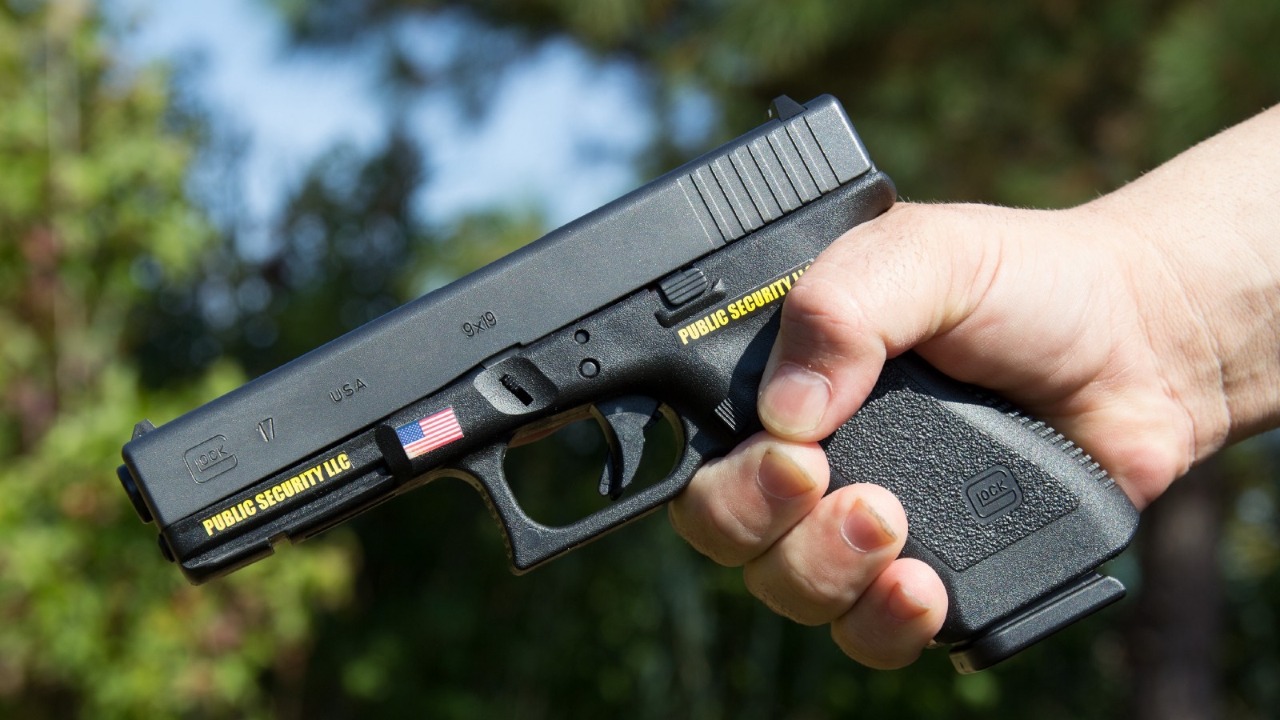
Several trainers describe a simple visual test: when you establish a firing grip, the bore line should sit roughly in line with your forearm so recoil travels straight back instead of torquing your wrist. One widely cited checklist on how to tell if a Pistol Fits Your notes that if the gun forces your wrist to bend sharply or the grip feels like it is prying your fingers apart, you will fight the gun on every shot. I also watch where the trigger finger lands: if only the tip can reach, or the first joint wraps past the trigger, that is a red flag for both comfort and accuracy.
Measure your hand and match grip size
Before I ever step into a gun shop, I like to get a rough sense of my own dimensions, the same way tennis players are taught to measure the correct grip size for a racquet. One practical method for pistol shooters is to Measure the length from the last crease on your wrist to the tip of your middle finger, then compare that to grip circumference recommendations from manufacturers or instructors. It will not give you a perfect answer, but it tells you whether you should start with subcompact, compact or full‑size frames.
Once I have a pistol in hand, I use a quick “hand wrap” test that mirrors how ring and wearable makers advise customers to confirm sizing. Guides on finding the right ring note that Once you have arrived at the right fit, you should still run it by a final checklist, and the same logic applies here. I close my shooting hand around the grip and check whether the pad of my thumb can comfortably touch the tip of my middle finger along the front strap, a classic test described in Sep guidance on the right fit. If there is a big gap, the grip is probably too large; if the fingers dig into the palm, it is likely too small.
Use a structured “fit checklist” at the counter
At the gun counter, I treat each candidate pistol like a premium purchase and run it through a repeatable checklist instead of relying on first impressions. Consumer guides on big‑ticket gear suggest that you should not just browse, you should consciously Use the same criteria every time so you can compare options fairly. For handguns, I start by centering the web of my hand high into the beavertail, keeping my wrist straight, a step that matches the Grip Fit and Center the guidance many instructors use.
From there, I run through a short list: can I reach the magazine release, slide stop and any manual safety without shifting my grip, as recommended in Handgun Grip Tips? Does the full pad of my trigger finger rest naturally on the trigger face, a benchmark echoed in Sep quick tips on grip size? And when I extend the pistol toward an imaginary target with my eyes closed, then open them, are the sights roughly aligned where I expected, a sign of the natural “point of aim” described in Know About Properly a Handgun.
Check how your fingers and controls work together
The human hand is a complex lever system, and a good pistol grip lets all three support fingers do their job without dangling or being crushed. One detailed breakdown on how to make sure a pistol fits you urges shooters to Put Your Fingers by insisting that the grip frame be long enough to accommodate all three fingers under the trigger guard. If your little finger hangs off the bottom, you lose leverage and the gun is more likely to twist in recoil, especially with snappier calibers.
I also pay close attention to how my thumbs and trigger finger interact with the controls. Training material on grip tips notes that you should be able to reach the magazine release and safety while maintaining a firing grip, and that the finger pad should sit squarely on the trigger. Competitive shooters echo this in SHOOT Quick Tip advice that the full pad of the trigger finger should rest on the trigger face for maximum control. If I find myself twisting my wrist or over‑reaching with the first joint, I know the grip circumference or trigger reach is off.
Use “natural point of aim” and recoil control as final tests
Once a pistol passes the static grip checks, I look for how naturally it points and how it behaves under recoil. Instructors who walk students through Evaluate and Does the gun fit you emphasize starting with your dominant hand and checking whether the heel of your hand sits fully on the backstrap and the sights line up with minimal effort. If the front sight consistently appears high or low when I punch out from the holster, that is a sign the grip angle or backstrap shape does not match my natural wrist position.
Recoil control is the other half of the equation, and it can only be judged on the range. Trainers who focus on What You Need to Know About Properly Fitting a Handgun argue that if a shooter cannot maintain adequate control of recoil with a given grip size, they should try another pistol. I watch how far the sights lift and how quickly they return to the notch; if the gun jumps violently or twists out of my support hand, I either move to a different backstrap or a different model. For newer shooters, some instructors even recommend starting with Long Rifle Pistols in .22 Long Rifle to build fundamentals with minimal recoil before stepping up in caliber.
Try multiple guns and calibers before you buy
No amount of dry handling can replace live fire, which is why I treat range time as a mandatory step rather than an optional extra. Buying guides aimed at beginners are blunt on this point, urging shooters to Test It Before by actually firing the type of handgun they plan to purchase. Many ranges rent popular models from brands like SIG and Smith & Wesson, which lets you compare how different grip shapes and calibers feel under real recoil.
On the firing line, I run a simple drill with each candidate: a string of slow, deliberate shots to check comfort and trigger reach, followed by controlled pairs to see how the gun tracks. Video instructors like Amy Langden in Queen Creek Arizona walk shooters through similar comparisons when Finding A Gun. I pay attention to whether my support hand stays locked in place, whether the slide or controls bite into my thumb and whether I can maintain a consistent grip through an entire magazine without fatigue. If a pistol feels great for the first five rounds but becomes a chore by round twenty, it is not the right long‑term partner.

Leo’s been tracking game and tuning gear since he could stand upright. He’s sharp, driven, and knows how to keep things running when conditions turn.