Hunter Bag Limits Skyrocket in Key States: The 2026 Seasons You Don’t Want to Miss
You don’t often see wildlife agencies loosen the reins. Most years, regulations inch tighter, seasons get trimmed, and tags grow harder to draw. But every now and then, conditions line up—strong populations, good recruitment, and habitat holding steady—and states respond by opening things up.
That’s what you’re seeing heading into 2026 in several parts of the country. Bag limits are climbing in select areas, and it’s not by accident. Biologists are trying to keep herds and flocks in check while giving hunters more opportunity. If you’re paying attention, there are a few seasons this year that stand out for all the right reasons.
Texas Expands Deer Opportunities in High-Density Zones
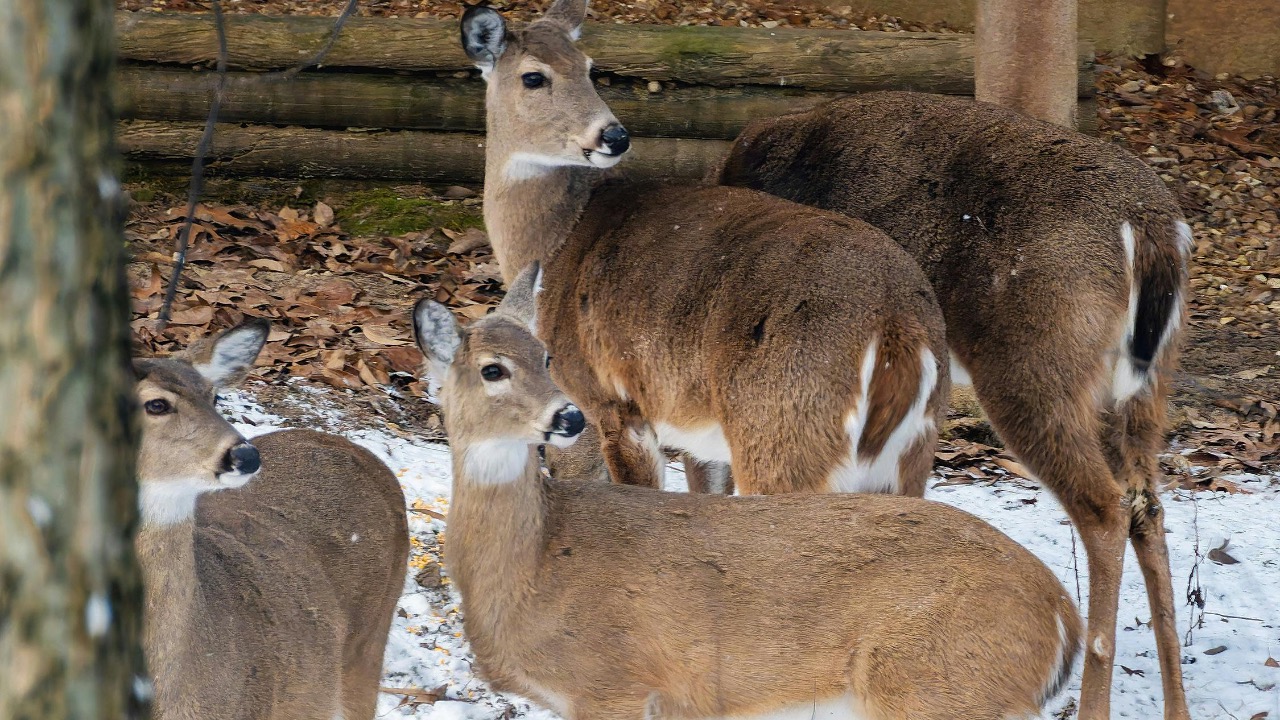
In parts of Texas, especially the eastern and southern regions, whitetail numbers have stayed strong. Mild winters and solid habitat have allowed herds to grow beyond what the land can comfortably support in some counties.
That’s pushed the state to raise bag limits and extend opportunities in targeted zones. You’re seeing more antlerless tags and longer seasons where deer density is highest. For you, that means more flexibility—more chances to fill the freezer and manage property if you have access. It’s not statewide across the board, but in the right counties, it’s one of the more hunter-friendly setups you’ll find this year.
Arkansas Increases Doe Harvest to Balance Herd Growth
Arkansas has been watching its deer numbers closely, and in certain regions, they’ve crept upward enough to warrant action. When that happens, agencies lean on hunters to bring things back in line.
For 2026, that shows up in higher doe limits and expanded harvest windows in specific zones. The focus isn’t trophies—it’s balance. If you hunt there, you’re being asked to take more does, and the regulations reflect that. It’s a practical move, and it gives you more opportunity without complicating the rules. You’ll still need to know your zone, but overall, it’s a more open door than it was a few seasons ago.
Snow Goose Limits Remain Wide Open Under Conservation Orders
If you’ve ever chased snow geese, you already know the rules can look different. That’s because they fall under a conservation order aimed at reducing overabundant populations.
Heading into 2026, those liberal limits aren’t going anywhere. In many areas, there’s effectively no daily bag limit during the conservation season, along with extended hunting methods and hours. For you, it’s one of the few hunts where volume is the goal. It takes work—big spreads, good calling, and persistence—but the opportunity is there in a way you don’t see with most migratory birds.
Midwest States Push Higher Antlerless Tags for Whitetails
Across parts of the Midwest, states are adjusting quotas to keep deer numbers in check, especially in agricultural regions where herds can grow quickly.
That means more antlerless permits and, in some cases, multiple tags per hunter. It’s not uniform across every county, but where crop damage and high densities are an issue, limits are climbing. For you, that opens the door to more productive seasons if you’re willing to focus on does. It also spreads hunting pressure out a bit, since success isn’t tied to a single tag.
Western States Adjust Elk Tags in Select Units
Out West, elk management stays unit-specific, and 2026 is no different. In areas where herds are exceeding objectives, agencies are increasing tag availability, particularly for antlerless elk.
You’re not seeing blanket changes across entire states, but in the right units, draw odds improve and harvest limits rise. That’s tied directly to herd data—calf recruitment, winter survival, and habitat conditions. If you’re willing to dig into the regulations and apply strategically, there are real opportunities to take advantage of these adjustments.
Waterfowl Frameworks Allow for Generous Duck Limits
Federal frameworks continue to support liberal duck seasons in most flyways, thanks to stable habitat conditions and strong breeding numbers in recent surveys.
That carries into 2026 with daily limits holding steady at higher levels in many regions. For you, that means consistent opportunity throughout the season without worrying about sudden cutbacks. Of course, success still comes down to weather and migration timing, but the regulations aren’t holding you back this year.
Feral Hog Rules Stay Wide Open in Southern States
Feral hogs aren’t managed like traditional game, and it shows in the regulations. In states like Texas, there are few restrictions, and that continues into 2026.
No closed season, no real bag limit—if you can hunt them, you can take them. That’s by design. Populations are high, and damage is ongoing. For you, it’s an opportunity to hunt year-round and sharpen skills without worrying about tags or quotas. It’s one of the few areas where access matters more than regulation.
Turkey Regulations Loosen Slightly in Rebounding Areas
Turkey numbers have struggled in some regions, but in areas where populations are showing signs of recovery, agencies are cautiously opening things back up.
That might mean an extra bird in certain zones or slightly longer seasons. It’s not a dramatic shift, and it’s handled carefully, but it’s worth noting. If you hunt those areas, you’re getting a bit more room to work with compared to recent years when limits were tighter.
When bag limits go up, it’s not a giveaway—it’s a signal. Wildlife managers are telling you there’s room to harvest more, and they need hunters to do it. If you match your plans to those changes, 2026 could be one of the more productive seasons you’ve had in a while.

Asher was raised in the woods and on the water, and it shows. He’s logged more hours behind a rifle and under a heavy pack than most men twice his age.