Islands Around the World That Remain Off Limits to Human Visitors
You spend enough time around maps and wild places, and you start to notice the blank spots—the places where access stops cold. Not because they’re hard to reach, but because someone, somewhere, decided they should stay that way.
Some of these islands are locked down to protect fragile ecosystems. Others are off limits for safety, or because the people living there have made it clear they want no outside contact. Either way, they’re a reminder that not every piece of ground is meant to be walked on. Here are a few places around the world where the line is drawn, and it’s not up for debate.
North Sentinel Island Is Closed for a Reason
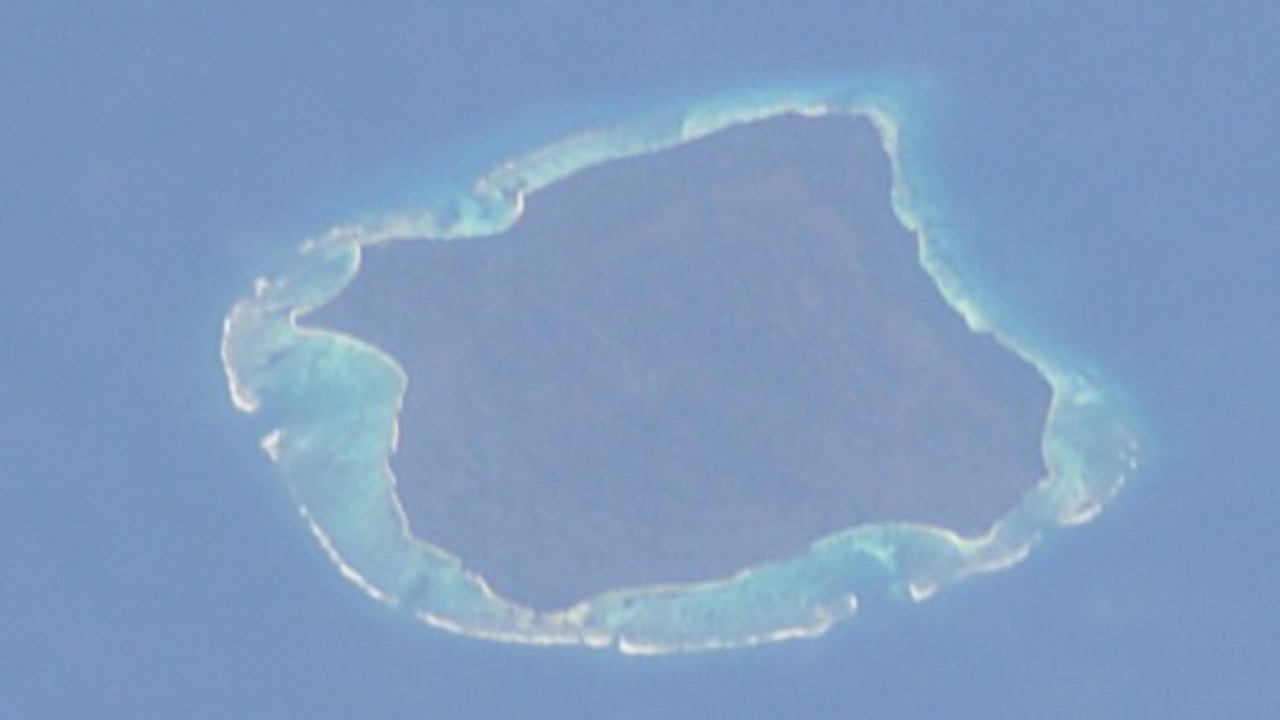
Out in the Andaman Islands sits North Sentinel Island, and you won’t be stepping foot on it. The Indian government enforces a strict exclusion zone, and for good reason.
The Sentinelese people have lived there for thousands of years with no outside contact. Attempts to approach have been met with hostility, and that’s their right. There’s also the risk of disease—outsiders could wipe out the entire population without even knowing it. You’re looking at one of the last truly isolated human groups on earth, and leaving them alone is the only responsible call.
Ilha da Queimada Grande Is Too Dangerous to Visit
Off the coast of Brazil, Ilha da Queimada Grande has earned its reputation the hard way. Locals call it Snake Island, and that’s not an exaggeration.
It’s home to thousands of golden lancehead vipers, one of the most venomous snakes in the world. The Brazilian government restricts access to protect both people and the snakes themselves. Even researchers need special clearance. You’re not dealing with a rough hike or bad weather here—you’re dealing with a place where a wrong step can turn serious in a hurry.
Surtsey Is Off Limits to Protect Science
When Surtsey rose out of the sea in 1963 near Iceland, scientists saw a rare opportunity. A brand-new island, untouched by humans.
Access has been tightly controlled ever since. Only researchers are allowed, and even they follow strict protocols to avoid contaminating the environment. What you’re watching there is nature building an ecosystem from scratch—plants, birds, and insects arriving on their own terms. Letting people wander through would ruin decades of observation.
Heard Island Is Too Remote for Regular Visitors
Way out in the southern Indian Ocean, Heard Island sits under the control of Australia. Getting there isn’t easy, and that’s part of why it remains largely untouched.
There are no permanent residents, no infrastructure, and plenty of harsh weather. The island is also home to an active volcano and large populations of wildlife. Access is restricted mainly to protect the environment. Even if you had permission, you’d need serious logistics to get close. This is one of those places where nature still runs the show without much interference.
Niihau Remains Closed to the Public
In Hawaii, Niihau stands apart from the rest of the island chain. It’s privately owned, and access is tightly controlled.
A small population of Native Hawaiians lives there, maintaining a traditional way of life. Visitors aren’t allowed without invitation, and that policy has held for generations. You’re not looking at a tourist destination—it’s a working community that’s chosen to keep its distance. That decision has preserved both culture and landscape in a way that’s hard to find elsewhere.
Poveglia Island Is Closed Due to Safety Concerns
In the Venetian Lagoon, Poveglia Island sits empty, but not open. Authorities have restricted access due to safety risks tied to its crumbling structures.
The island has a long history, including use as a quarantine station during outbreaks of disease. Today, buildings are unstable, and the ground itself has been shaped by that past. It’s not maintained, and letting people roam freely would be asking for trouble. What keeps you off isn’t mystery—it’s liability and real physical danger.
Bikini Atoll Still Carries Nuclear Scars
Out in the Marshall Islands, Bikini Atoll looks like a postcard at first glance. Clear water, white sand, and a quiet horizon.
But between 1946 and 1958, it was the site of extensive nuclear testing by the United States. Radiation levels have dropped over time, but not enough to support safe, permanent living. Visits are limited and controlled. The land and lagoon still carry the effects of those tests, and that history keeps it off-limits in any practical sense.
Some places stay wild because they’re hard to reach. Others stay wild because we’ve decided to leave them alone. These islands fall into that second group. You can look at them on a map, read about them, maybe even see them from a distance—but for most people, that’s where it ends.

Asher was raised in the woods and on the water, and it shows. He’s logged more hours behind a rifle and under a heavy pack than most men twice his age.