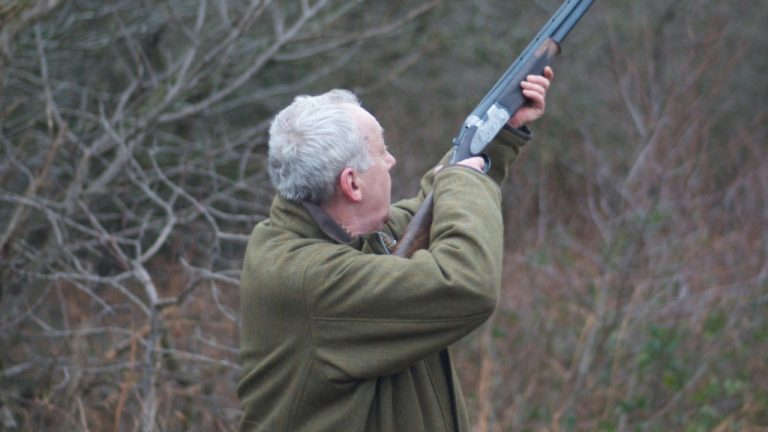
Hunter says friend handled a firearm carelessly after the hunt and caused tension
A hunting trip reportedly ended on a tense note after one hunter claimed a friend handled a firearm in a careless way once the outing was over. The incident didn’t involve a shot being fired, but it was enough to create disagreement within the group about safety standards and responsibility. What happened afterward became less about the hunt and more about trust between the people involved.
According to the account, the concern came up after the group had finished hunting and was transitioning back from the field. Firearms were still present and being managed, and one person felt another wasn’t being careful enough in how the weapon was handled. Even without immediate danger, the situation sparked frustration because safety expectations don’t stop once the hunt is over.
Why post-hunt firearm handling still matters

Many people assume the risk is lower once a hunt ends, but firearm safety rules still apply until every weapon is fully secured and unloaded. This includes how guns are carried, stored, and passed between people. Even a brief lapse in attention can create concern, especially in group settings where multiple people are responsible for safety.
In hunting culture, discipline around firearms is often treated as constant rather than situational. That means behavior after the hunt can carry just as much weight as behavior during it. If someone appears careless while packing up or transporting gear, it can raise questions about how seriously they follow safety rules in general.
How small mistakes can affect group trust
Hunting groups often rely on familiarity and trust, especially when people have hunted together before. When one person feels another isn’t handling a firearm properly, even if no accident occurs, it can shift how the group interacts going forward. What might seem minor to one person can feel like a serious warning sign to another.
These situations can lead to awkward conversations or even changes in who gets invited on future trips. In close-knit groups, safety disagreements are often taken personally because they reflect on judgment and responsibility, not just technique. That’s why even small incidents can have a lasting impact beyond the moment itself.
Safety expectations don’t end when the hunt does
Firearm safety training typically emphasizes consistent rules: treat every firearm as loaded, keep control at all times, and avoid unnecessary handling. Those rules are meant to apply in every setting, not just during active hunting. The transition period after a hunt is often one of the most overlooked moments.
Packing up, unloading, and transporting equipment can involve distraction and fatigue, which is where mistakes are more likely to happen. Experienced hunters often stress that this stage still requires full attention. If one person feels another is being casual or careless during this phase, it can quickly become a point of conflict.
Why these disputes matter in hunting culture
While this incident didn’t involve an injury or discharge, it highlights how seriously hunters tend to take firearm responsibility. Hunting culture is built around shared safety expectations, and when those expectations aren’t met, it can affect relationships just as much as the outing itself.
Disagreements like this often lead to reflection within the group about communication and standards. Some groups respond by setting clearer rules before future trips, while others separate after trust is damaged. Either way, it reinforces a common theme in hunting: safety isn’t just individual behavior, it’s something that affects everyone involved.

Leo’s been tracking game and tuning gear since he could stand upright. He’s sharp, driven, and knows how to keep things running when conditions turn.