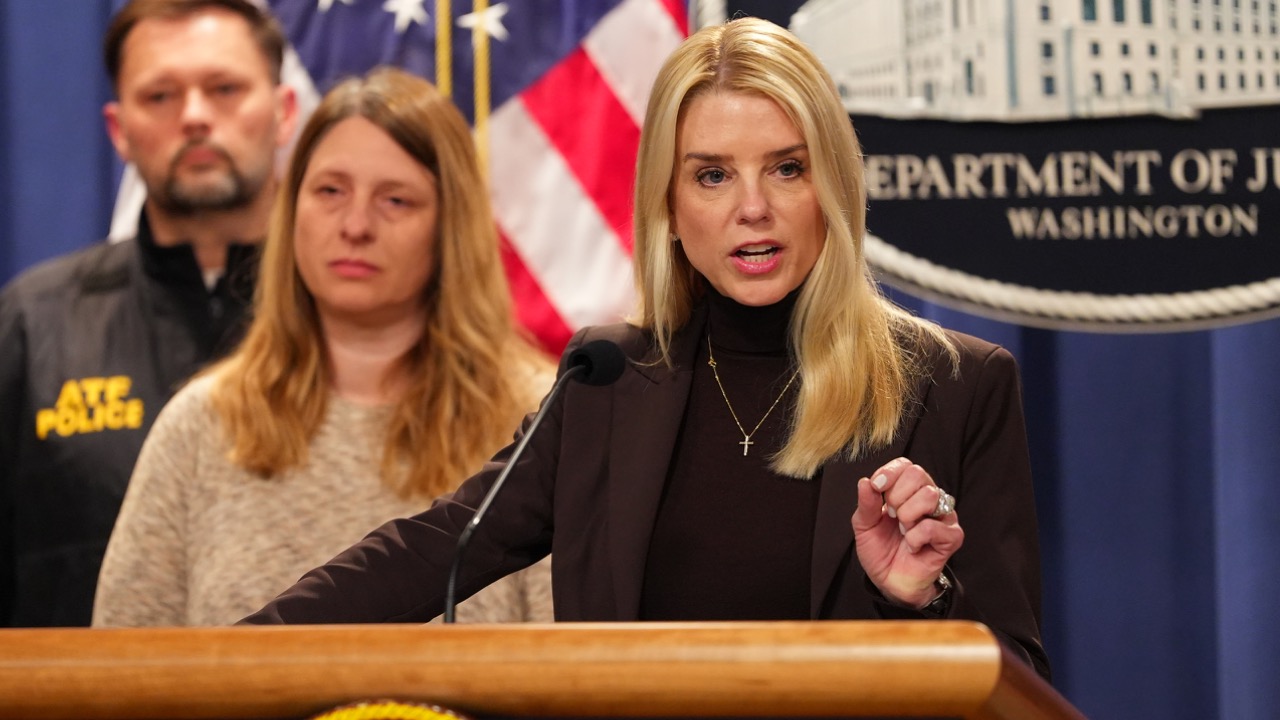
The Sinaloa cartel threats that reportedly forced Pam Bondi into hiding
In early 2026, several news outlets reported that Pam Bondi quietly relocated from her Washington, D.C., residence into protective housing at a military base in the capital area. Sources familiar with the situation said federal law enforcement flagged significant threats against her, linked to her work on high‑profile prosecutions and enforcement actions. The relocation wasn’t publicly announced with fanfare, but officials and reporters noted that moving senior officials to more secure quarters is a tool used when credible threats emerge.
Bondi wasn’t the only senior figure affected. Reports indicate several Trump administration officials — including a domestic policy adviser, a homeland security secretary, and the defense secretary — also shifted to military bases amid heightened security concerns. That pattern reflects how U.S. authorities sometimes respond when threats extend beyond routine risk assessments.
Cartel‑Linked Pressures Underlying Threat Reports
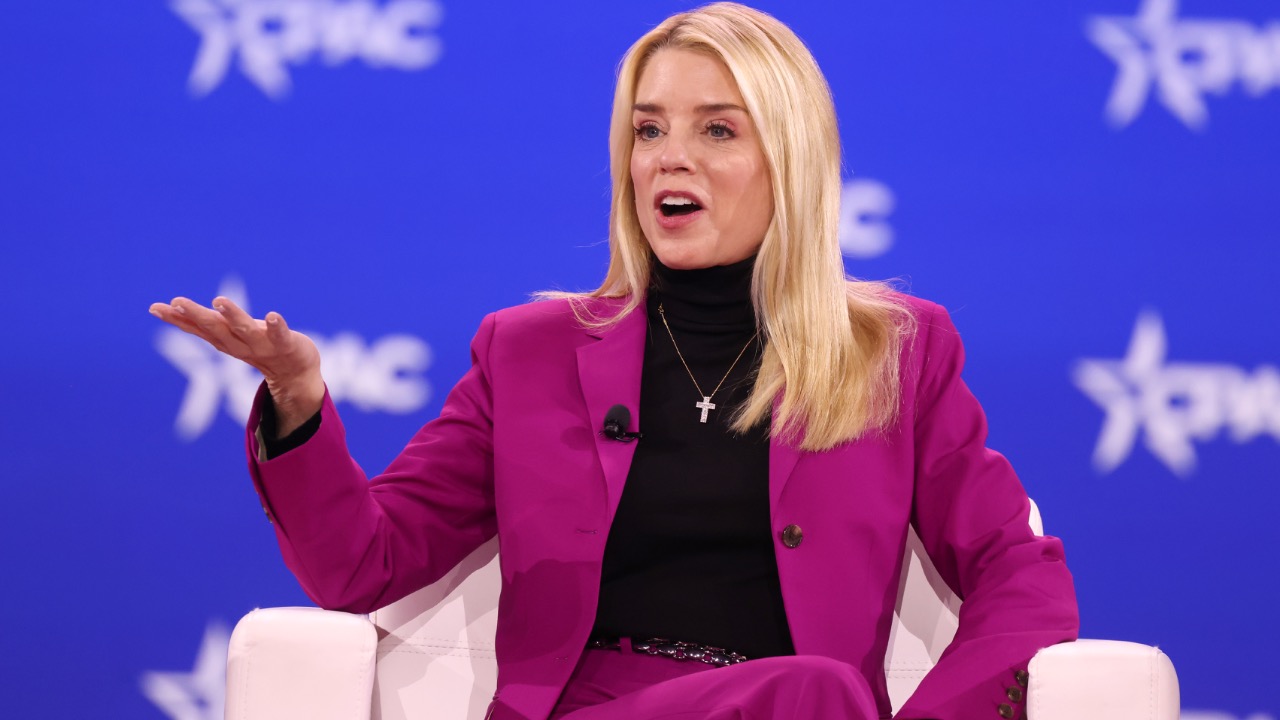
The reporting tied some of the reported threats against Bondi to criminal organizations, particularly those involved in fentanyl and other drug trafficking. The Sinaloa Cartel is frequently cited in U.S. federal reports as one of the most pervasive drug trafficking networks, responsible for smuggling large quantities of illicit drugs into the United States and associated violence. Federal agencies have repeatedly labeled cartel activity a national security concern.
The U.S. government has taken a tougher stance in recent years against narco‑trafficking, including the high‑profile prosecution of Venezuelan President Nicolás Maduro in connection with alleged drug trafficking and narco‑terrorism conspiracies. Some reporting suggested that this escalation, and associated actions against transnational criminal organizations, contributed to intensified communications classified as threats to senior officials.
Role of the Sinaloa Cartel in Threat Assessments
Federal law enforcement agencies, including the Drug Enforcement Administration (DEA), characterize the Sinaloa cartel as a global trafficking organization with extensive networks. It operates decentralized cells capable of moving opioids, methamphetamine, heroin, and cocaine into the U.S., and law enforcement warns these networks contribute to public safety and health crises.
When individuals in positions of authority pursue aggressive action against such groups — including asset seizures, indictments, and designations of cartel leadership as foreign terrorist organizations — it can prompt pushback. That pushback may take the form of intimidating rhetoric or communications that federal protective services consider credible enough to trigger relocations and enhanced security.
Connection to Wider Enforcement Operations
Part of the backdrop for the reported threats was a series of large‑scale drug interdictions credited to U.S. law enforcement. For example, the Coast Guard, FBI, and Department of Justice have publicized multi‑million‑dollar seizures of narcotics tied to major trafficking organizations, including the Sinaloa cartel. These operations demonstrate the intensity of the government’s focus on cartel supply chains and networks.
That enforcement pressure — which includes targeting both financial networks and transport routes — increases tensions with criminal enterprises whose operations span borders. Federal officials involved in coordinating and prosecuting these efforts may inadvertently become high‑visibility targets.
Maduro Prosecution and Cartel‑Linked Threat Dynamics
The capture and prosecution of Nicolás Maduro, which became a major U.S. legal initiative in 2026, added further fuel to reported security concerns. Bondi was among the administration’s most visible proponents of using terrorism and trafficking statutes to hold international figures and networks accountable. That stance drew criticism and alleged intimidation efforts from adversaries and supporters of those networks abroad.
Federal law enforcement officials have warned that cartel networks can leverage global reach and resources to send threatening messages when they perceive direct actions against leadership. While specifics of the threats aren’t publicly disclosed, protective details and relocations are typical responses when agencies assess elevated risk against named officials.
Epstein Files Clash and Domestic Backlash
In addition to cartel‑linked pressures, Bondi’s handling of files and materials related to the late convicted sex offender Jeffrey Epstein created another front of hostility. Critics argued over transparency and prosecutorial decisions, and some public discourse around that subject included hostile language and calls for accountability. Media coverage characterized the backlash as intense, contributing to security evaluations that factored into her temporary relocation.
It’s important to distinguish between political bru‑ha‑ha and credible security threats: protective services evaluate threats based on intelligence and communication patterns, not social media noise. In this instance, federal law enforcement reportedly determined that combined pressures warranted enhanced security measures.
Historical Context for Military Base Housing
Relocating senior government officials to military properties for security isn’t without precedent. During prior administrations, defense and state officials have lived in government‑owned housing near Washington, D.C., for operational or protective reasons. What’s unusual in 2026 is the volume and variety of threats cited — spanning organized crime, political backlash, and foreign adversaries — and the number of officials involved.
While the specifics of where Bondi is living and the exact nature of every threat remain private for security reasons, the pattern of relocations suggests a broader assessment that certain roles attract multidimensional risks. What’s reported in the press reflects security decisions made out of public view.

Asher was raised in the woods and on the water, and it shows. He’s logged more hours behind a rifle and under a heavy pack than most men twice his age.