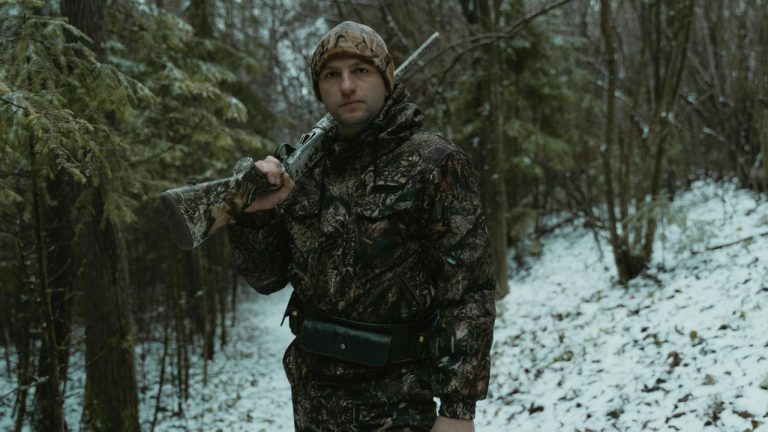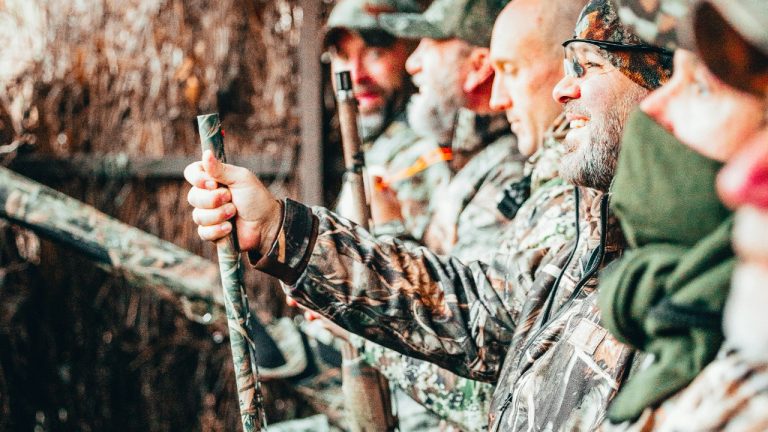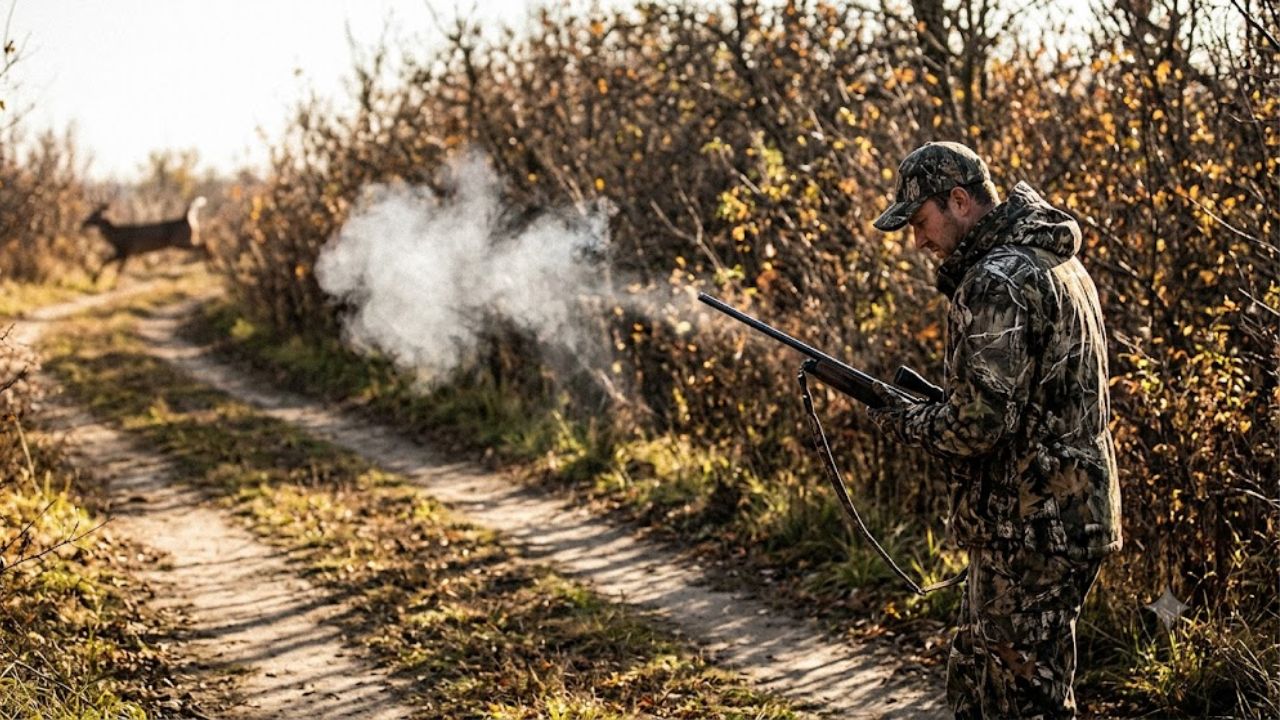
Hunter Says His Friend Swore He Missed the Shot — Then the Game Camera Showed Something Different
A hunter has shared a dispute involving a missed shot claim that later came into question after a game camera reportedly told a different story. According to the account, a hunting partner insisted the shot missed entirely, but footage from a nearby trail camera suggested the outcome may not have matched that version of events.
The situation has sparked discussion about trust between hunting partners and how quickly disagreements can form when there’s no immediate proof of what happened in the field. In remote settings, memory and perception often become the only reference points unless camera footage or physical tracking evidence is available.
The initial claim of a missed shot
The hunter says his friend immediately stated the shot did not connect and that the animal continued moving normally afterward. In fast-moving outdoor situations, it’s not uncommon for shooters to believe they missed, especially when visibility is limited or the target moves out of sight quickly.
In this case, the conversation reportedly ended without much debate at the time, with both individuals continuing the hunt. However, the uncertainty around what actually happened remained, especially since shot confirmation in the field can be difficult without follow-up tracking.
What the game camera reportedly captured
Later review of a nearby game camera reportedly showed footage that suggested the shot may not have missed as claimed. While the exact details depend on camera angle and timing, the recording raised questions about whether the initial assessment was accurate.
Game cameras are often used to monitor wildlife movement rather than confirm shot placement, but they can sometimes provide useful context when disputes arise. Even so, they don’t always capture full impact details clearly enough to settle disagreements on their own.
Disagreements in the field and how they happen
Situations like this are not uncommon in group hunting environments where visibility, distance, and movement make it difficult to confirm outcomes in real time. Hunters often rely on instinct and partial observation when reacting to fast events.
Because of that, honest disagreements can still happen even between experienced partners. What one person perceives as a miss, another piece of evidence may later contradict, especially when memory is influenced by pressure and fast decision-making.
Trust between hunting partners
Hunting partnerships depend heavily on trust, particularly when it comes to shot reporting and tracking responsibility. When accounts of an event don’t align, it can create tension even if there was no intentional dishonesty involved.
In many groups, clear communication after every shot is considered important to avoid confusion later. Without that, small misunderstandings can turn into larger disputes once additional evidence is reviewed.
Role of technology in resolving disputes
Trail cameras and other tracking tools are increasingly used in hunting areas, but they are not always definitive. While they can provide helpful context, they don’t always capture precise impact points or full sequences of events.
As a result, technology can reduce uncertainty but not always eliminate it. Many hunters still rely on a combination of observation, tracking signs, and communication to piece together what actually happened in the field.
Final takeaway
At the center of the situation is a simple but common issue in hunting environments: uncertainty after a fast shot. When accounts differ and evidence is incomplete, misunderstandings can arise even among trusted partners. The incident highlights how quickly perception and recorded footage can diverge, and how important communication remains in resolving disagreements.

Leo’s been tracking game and tuning gear since he could stand upright. He’s sharp, driven, and knows how to keep things running when conditions turn.