Why more landowners are restricting hunting access
Across the United States, access to private land has long been the quiet engine that keeps hunting culture running. That engine is starting to seize up as more landowners close gates, post property lines and add new conditions for anyone who wants to carry a rifle or bow across their fields. The shift is reshaping who gets to hunt, how wildlife is managed and what rural landownership looks like in practice.
Behind each locked gate sits a mix of safety worries, economic pressures and cultural change. The result is a growing tension between people who see hunting as a tradition and those who see their land as a refuge from exactly that kind of traffic.
Access is shrinking as hunting participation changes

For decades, hunters relied on handshake agreements and informal permission to step onto private property. That access is now eroding at the same time that the number of active hunters is falling. One analysis of the silent decline of links the drop in participation directly to land access, noting that privatization and habitat loss have reduced hunting grounds by 24 percent since 1990.
The access problem is not just about fewer acres. It is also about how those acres are controlled. Large parcels that once welcomed local hunters are being leased to outfitters or reserved for family and invited guests. In some regions, especially where big game tags are valuable, access has shifted from an informal favor to a commodity that can be bought and sold.
Why landowners are saying no
When landowners explain why they are tightening the rules, they often start with behavior. A hunter education guide that compiles landowner complaints lists a familiar set of grievances. Landowners say hunters do not always get permission, do not tell anyone when they arrive or leave, damage fences, leave gates open, drive where they should not and make too much noise.
Those frustrations are not abstract. A single cut fence can turn valuable cattle loose onto a highway. A truck rutting a wet field can ruin a crop. When these problems repeat, some owners decide it is simpler to post the property and refuse access entirely.
Liability also looms large. Guidance for private owners in Illinois notes that concern over being sued for injuries can influence whether they let hunters in, and directs readers to specific recreational use laws in the management role section. Even where statutes limit liability if access is free, many owners remain uneasy about strangers with firearms on their property.
Conflicts with modern development and safety concerns
As energy and infrastructure projects spread, new conflicts are emerging between hunting and industrial work. In Piedmont, a motion filed by Friday PSEG sought a ban on landowners hunting their own property during survey work. The company argued that a temporary prohibition was necessary in the name of safety for survey crews who needed to move across private parcels.
That kind of legal move flips the traditional script. Instead of landowners restricting hunters, a corporation is asking a court to restrict landowners. The dispute highlights how crowded some rural spaces have become, with survey stakes, utility lines and hunting blinds all competing for the same ground.
Elsewhere, landowners themselves are pushing for tighter rules on how hunting is conducted. In Franklin County, a video titled Landowners want more captures property owners calling for more control over dog deer hunting. They describe hounds crossing property lines without permission and hunters following them, sometimes armed, into land where they have no right to be. For those owners, the issue is less about hunting itself and more about a specific method that feels impossible to contain.
From free permission to paid access
Economic pressure is another driver behind the trend. In the Pacific Northwest, a short clip titled Locked Gates &describes how, as Mar summarized, a few recent articles from Henry Brandon outline a trend of losing hunting access on large tracts. Some landowners started charging for access, turning what had been open ground into pay-to-play territory.
For landowners facing rising property taxes and tight margins, charging a fee can feel like a practical way to offset costs. For local hunters who have long relied on those acres, the change can feel like a betrayal of community norms.
In Montana, officials have warned that there are more hunters and fewer private lands to hunt, and one observer quoted in a struggle over private argued that the department needs to do a better job of reaching out to all landowners during planning. That kind of outreach can determine whether owners enroll in cooperative access programs or decide to close their gates.
Public wildlife on private land
In much of the West, wildlife belongs to the public while the soil and grass belong to individuals. An essay on the balancing act of public wildlife on private lands notes that the management, security and solitude of private lands give many species a preferred environment to meet their needs. Some state wildlife agencies are trying to respond to landowner concerns about too much public pressure, and the piece stresses that this concern is not without merit.
From the hunter side, frustration can be just as intense. A post shared through the Bangor Daily News begins with the line, hunter’s point of, the problem of access can be stated plainly. People come at this issue from their own perspective. Typically large parcel land owners cannot, and should not, be expected to absorb all of the pressure from a growing number of recreationists. The post ends with a plea that if landowners choose to close access, they at least communicate that decision appropriately, because otherwise, in the writer’s words, you are breaking our hearts.
Legal fights over blocked public access
Even when the land itself is public, private owners can still influence who reaches it. One detailed report on ways landowners block describes tactics that range from locked gates on public roads to fences that subtly shift over time. At PLWA, Hanes explains that advocates play the long game, sometimes spending years in court to establish precedent so they do not have to fight the same battle again.
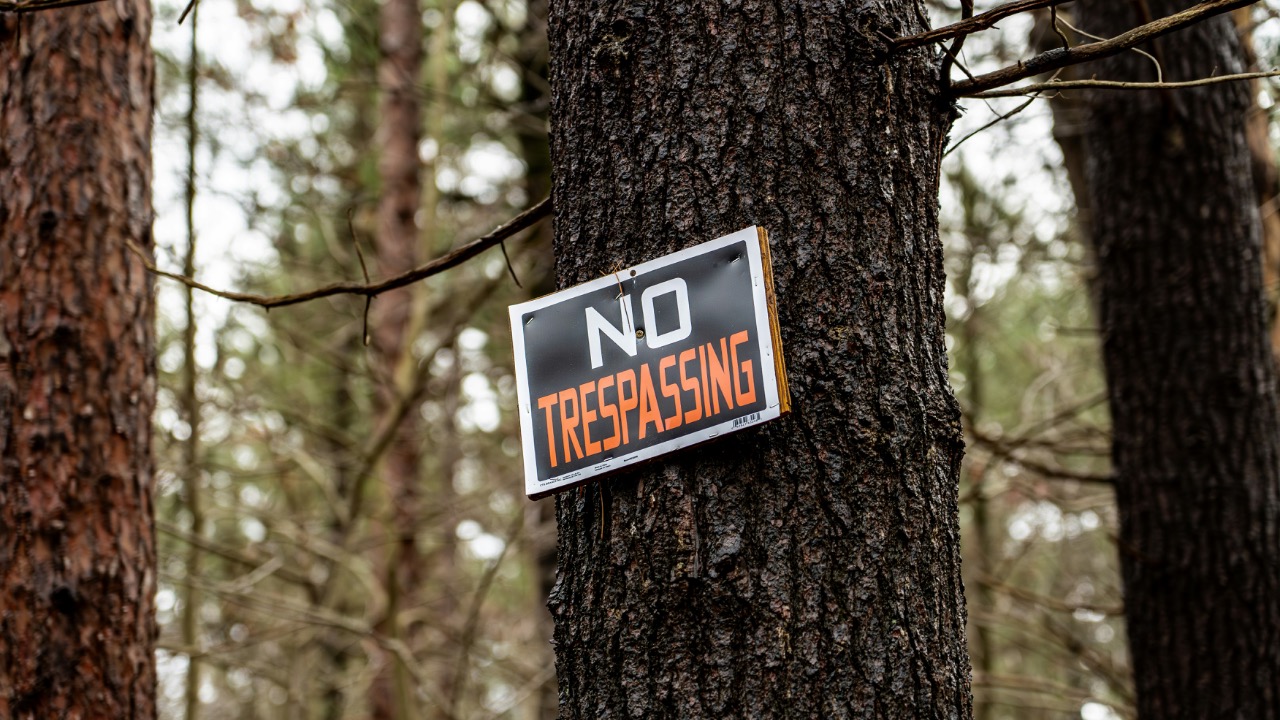
In Wyoming, lawmakers have responded to what they describe as an increasing trend of some private landowners posting fake no trespassing signs to block hunter access to public lands. A proposal known as House Bill 147 aims to penalize that behavior.
At a national scale, data compiled in a state by state show that large areas of public land are effectively landlocked, with no legal way for the public to reach them without crossing private property. That reality feeds resentment among hunters who see public wildlife they cannot reasonably pursue.
Programs that pay for open gates
Despite the trend toward restriction, there are also examples of cooperation. A policy overview on public access to notes that access is one of the most cited issues facing sportsmen and is often the number one reason that lapsed hunters stop participating. To address that, states have built incentive programs that pay landowners to host hunters while maintaining habitat.
One mapping company highlights that, luckily, more than 30 programs in at least 25 states provide incentives to landowners to open their properties to public hunting and fishing. A profile of these efforts describes how South Carolina landowners created new access by enrolling in such programs, which offer payments and technical support in exchange for clearly marked, regulated public entry.
Other solutions focus on the public side of the ledger. A detailed analysis of land swaps and argues that agencies can unlock landlocked public parcels without forcing private owners to give up property rights. By trading parcels and buying key access points, governments can create new trailheads and easements that let people hunt and fish close to home.

Leo’s been tracking game and tuning gear since he could stand upright. He’s sharp, driven, and knows how to keep things running when conditions turn.