Hunter says someone set up a stand directly downwind of him after seeing where he was hunting
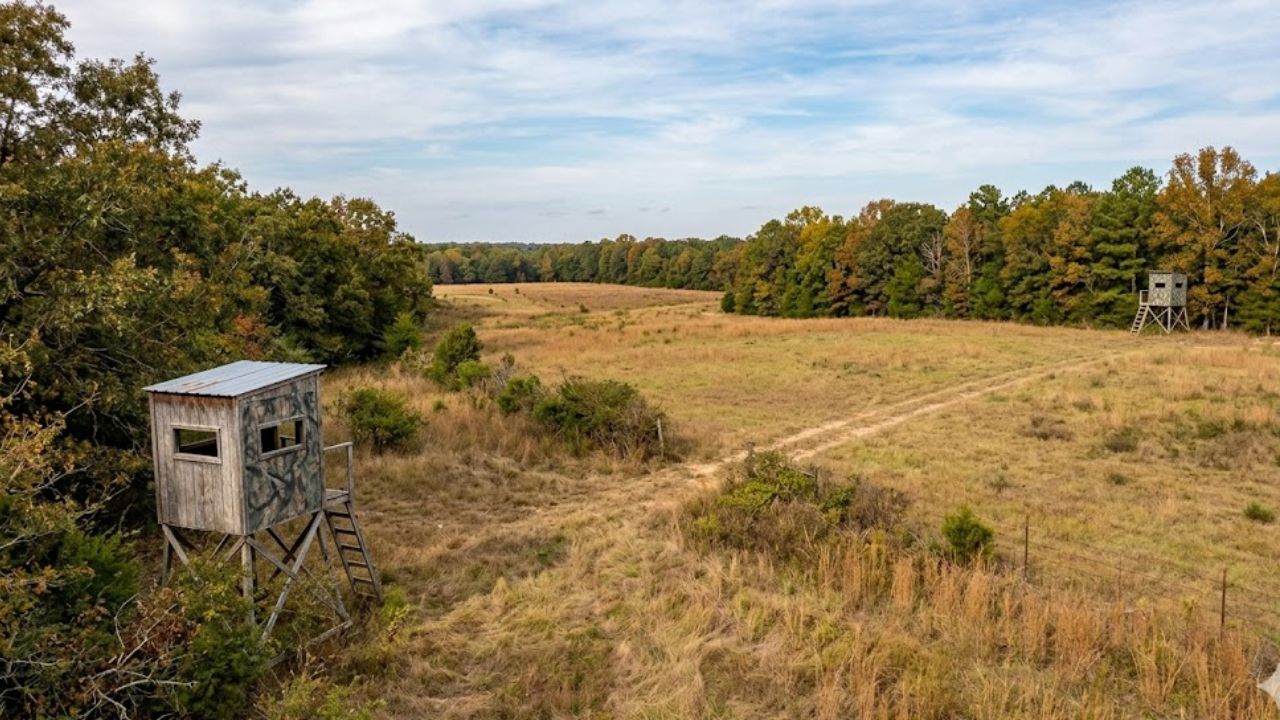
A dispute between hunters has surfaced after one individual claimed another person deliberately placed a hunting stand directly downwind of his location after observing where he was set up. The situation has raised familiar concerns about hunting etiquette, respect for space, and how closely hunters should operate near one another in shared or public areas.
In hunting, wind direction is a major factor because animals rely heavily on scent. Setting up downwind of another hunter can unintentionally reduce their chances of success, or in some cases create tension if it appears intentional. In this case, the complaint centers on whether the placement was coincidence or a deliberate attempt to take advantage of someone else’s scouting and positioning.
Why wind direction matters so much in hunting
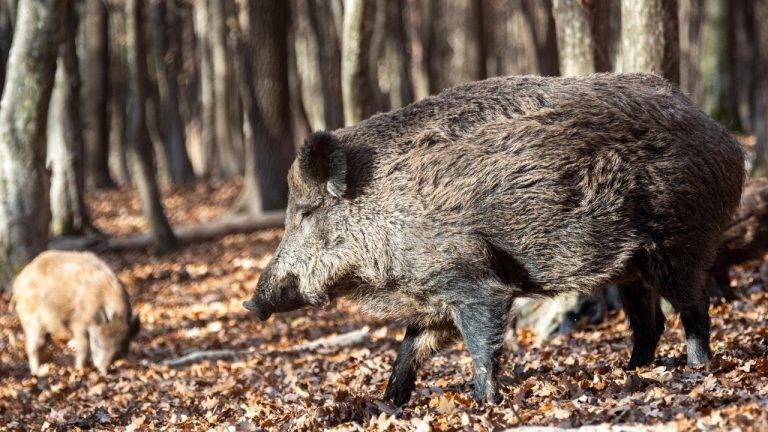
Wind is one of the most important variables in hunting strategy. Animals like deer and hogs often detect danger through smell long before they see or hear it. That means hunters usually try to position themselves so their scent moves away from the area they expect game to approach from.
When another hunter sets up downwind, it can disrupt that strategy completely. Even if no rules are technically broken, it can feel like someone is interfering with another person’s setup. That’s why experienced hunters often pay close attention not just to where others are, but also how wind patterns are shifting throughout the day.
Public land pressure and crowded hunting areas
Situations like this are more common on public land, where multiple hunters may be working the same general area. As hunting participation changes and certain regions get more crowded, competition for prime spots can lead to closer setups than many people prefer.
In these environments, there are usually unwritten expectations about spacing and courtesy. While there may not be formal rules about exact distances or wind positioning, many hunters rely on mutual respect to avoid conflicts. When someone appears to intentionally set up in a way that affects another hunter’s success, frustration tends to follow quickly.
Was it intentional or just strategy?
One of the challenges in situations like this is determining intent. Setting up downwind of another hunter can sometimes be a coincidence based on terrain, access routes, or limited available space. Wind direction also changes throughout the day, which can shift conditions without anyone intentionally adjusting their position.
At the same time, experienced hunters know how to read sign, trails, and setup patterns. Because of that, it’s also possible for someone to intentionally position themselves based on where another hunter is already located. Without clear communication or direct evidence, these situations often remain subjective and debated.
Hunting etiquette and shared expectations
Most hunting communities rely heavily on etiquette rather than strict enforcement when it comes to spacing and setup behavior. Things like avoiding crowding, respecting another person’s blind, and not interfering with active setups are generally expected even if not written into law.
When those expectations are ignored or interpreted differently, tension can build quickly. In many cases, disputes like this are resolved through conversation or simply by one party relocating to reduce conflict. Still, it highlights how much of hunting depends on trust and awareness of others in the field.
What situations like this usually lead to
Incidents involving contested hunting setups rarely escalate beyond disagreement, but they can change how hunters approach the area in the future. Some people choose to move locations, while others adjust timing or scouting strategies to avoid overlap.
At a broader level, these moments reflect the growing pressure on shared hunting spaces and the importance of communication when multiple people are using the same land. Even without formal rules being broken, perceptions of fairness and respect often shape how the experience is remembered.

Leo’s been tracking game and tuning gear since he could stand upright. He’s sharp, driven, and knows how to keep things running when conditions turn.