Guns that disappoint experienced hunters most
Experience sharpens expectations. After enough seasons, you stop falling for catalog promises and start judging guns by how they behave when you’re cold, tired, and out of chances. The biggest disappointments aren’t cheap mistakes or obvious lemons. They’re the firearms you expected to trust without thinking, the ones that come highly recommended and still manage to let you down.
These guns often shoot fine at first. They look right, feel right, and carry a respected name. Over time, though, small issues add up. Accuracy drifts, reliability gets conditional, or ergonomics start working against you. For experienced hunters, that gap between reputation and reality is where frustration lives.
Taurus Millennium Series
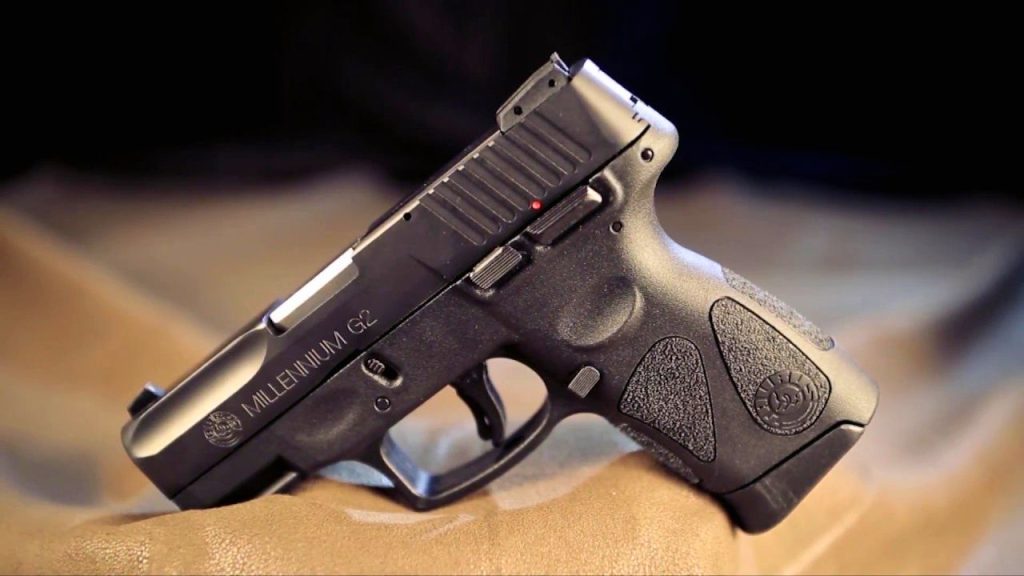
Early Millennium pistols often disappoint hunters who value long-term reliability. Lockup wear and trigger inconsistency creep in as round counts rise.
The pistol may still function, but confidence fades. Experienced users notice when a gun stops feeling solid, even if it hasn’t outright failed.
Remington Model 710
Seasoned hunters usually recognize shortcuts quickly, which is why the Model 710 disappoints so many of them. It often shoots acceptably at first, then loses smoothness and consistency as use adds up.
The bolt feel degrades, accuracy drifts, and confidence disappears faster than expected. There’s no easy fix once wear starts. For hunters used to rifles that age gracefully, the 710 feels like a dead end.
Ruger Mini-14 (Older Models)
Experienced hunters appreciate reliability, but they also expect consistency. Older Mini-14s deliver the first and struggle with the second.
Thin barrels and heat sensitivity cause point-of-impact shifts that can’t be ignored in the field. The rifle keeps running, yet stops shooting where you expect. That disconnect frustrates hunters who know better fundamentals aren’t the problem.
Remington 742 Woodsmaster

The 742 earns disappointment because it hides its wear until it matters. Early accuracy gives way to erratic behavior as internal rails wear.
Extraction issues and drifting groups appear slowly, then suddenly. Experienced hunters see the signs and know there’s no practical cure. The rifle keeps firing, but trust never fully returns.
Savage Axis (Factory Stock)
Many experienced hunters respect the Axis action, then grow tired of fighting the stock. Over time, flex and pressure changes undermine accuracy.
You can shoot well and still watch groups wander. The rifle demands upgrades just to maintain consistency, which seasoned hunters resent at this price point.
Mossberg 4×4
The 4×4 often disappoints because it never settles into a predictable rhythm. Bedding and stock fit issues show up after real use.
Accuracy comes and goes without explanation. For hunters used to rifles that respond cleanly to fundamentals, the inconsistency is maddening.
Kimber Ultra Compact 1911

Compact 1911s promise carry comfort, but experienced shooters expect reliability to match. The Ultra series often demands more tuning and maintenance than it should.
Timing sensitivity and accelerated wear show up early. It can run well, but staying there requires attention seasoned shooters expect from competition guns, not field sidearms.
Browning BAR (Older Generations)
Older BARs shoot smoothly when new, then slowly lose their edge. Gas system wear and internal changes affect consistency over time.
The rifle still cycles, but point of impact shifts between cleanings. Hunters who expect repeatability find themselves second-guessing shots they used to take without hesitation.
Winchester Model 94 (High-Mileage)
Well-used Model 94s disappoint not because they quit, but because they loosen. Lever play increases, sights shift, and precision becomes unpredictable.
Experienced hunters feel that change immediately. The rifle still works, but it no longer works the same way twice.
CVA Hunter (Heavy Calibers)

In heavier calibers, the CVA Hunter often loses consistency as lockup surfaces wear. Micro-movement affects accuracy more than most expect.
The rifle remains functional, but precision fades. Hunters who rely on repeatable performance notice the decline early.
Ruger American (Early Stocks)
Early Ruger Americans can shoot impressively, then slowly drift as stock issues develop. Temperature and support position begin influencing impact.
The action holds up, but the platform around it doesn’t. Experienced hunters know when a rifle should be better than it’s acting.
Kel-Tec PF-9
Lightweight pistols appeal until experience catches up. The PF-9 wears quickly, and recoil management worsens as parts fatigue.
It may still fire, but shooting comfort and control degrade. For seasoned users, that loss of shootability is as disappointing as a mechanical failure.

Leo’s been tracking game and tuning gear since he could stand upright. He’s sharp, driven, and knows how to keep things running when conditions turn.