Hunters revive forgotten cartridges as experts highlight their overlooked power and reliability
You have probably noticed the shift in hunting camps and online forums lately. Seasoned hunters are reaching for rifles chambered in rounds that most manufacturers sidelined years ago. Experts who spend seasons in the field emphasize how these older cartridges deliver consistent power on game and stand up to tough conditions better than their reputation suggests. Modern factory loads and bullet designs have given them fresh life, letting you take clean shots without chasing every new trend. The result feels practical and grounded, especially when you want gear that simply works.
The 7×57 Mauser in the Field
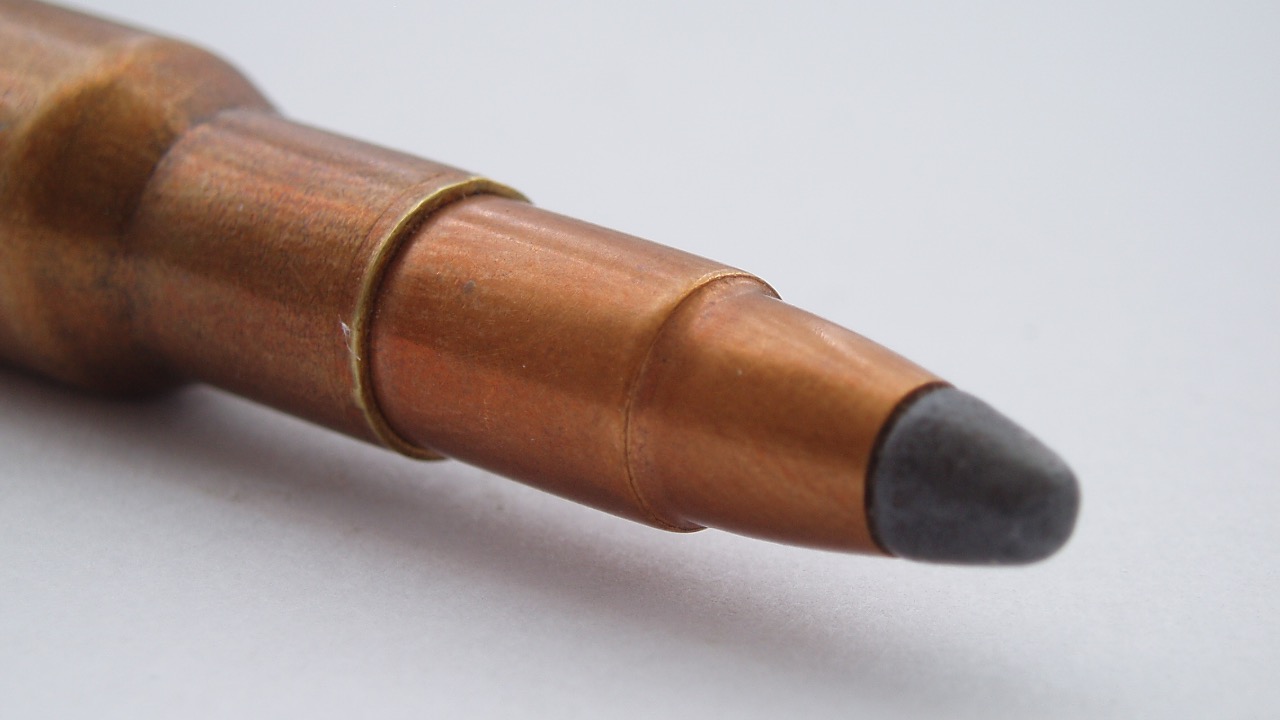
Experienced hunters appreciate the 7×57 Mauser for its balance in real-world use. Developed back in the 1890s for military service, it pairs well with 140- to 175-grain bullets that penetrate deeply on deer or larger animals while keeping recoil manageable in lighter rifles. You can carry it all day in the mountains or woods without fatigue setting in during long stalks.
Its reliability comes from straightforward case design and proven performance across continents. Hunters who revive these rifles often pair them with current ammunition that boosts velocity without straining older actions. The round handles varied terrain and weather as well today as it did a century ago, making it a steady choice when you need shots that count.
Why the .257 Roberts Keeps Working
The .257 Roberts offers hunters a practical step up from lighter varmint rounds without heavy kick. Introduced in the 1930s, it drives 100- to 115-grain bullets at speeds that flatten trajectory for shots out to several hundred yards on whitetails or pronghorn. You get enough energy for ethical kills while the rifle stays easy to shoot accurately from field positions.
Many who turn back to it now load +P versions or factory options that extend its reach further. The cartridge earned respect through decades of use in bolt actions and lever guns alike. Its overlooked strength lies in how it performs without demanding perfect conditions or constant scope adjustments.
The 6.5×55 Swedish Holds Strong
Scandinavian hunters have relied on the 6.5×55 Swedish since the late 1800s, and North American shooters are rediscovering its merits. Factory loads with 140-grain bullets deliver speeds around 2,700 feet per second, enough for clean passes through deer or moose at typical ranges. The heavy-for-caliber design reduces over-penetration while maintaining momentum.
You benefit from its mild recoil in standard-length rifles, which makes follow-up shots natural in brush or open country. Modern high-BC bullets enhance its downrange performance without changing the core reliability. Those who hunt with it regularly note how it excels in older surplus rifles now restored for current seasons.
Power from the .35 Whelen
The .35 Whelen turns standard .30-06 actions into serious brush guns with minimal modification. It pushes 200- to 250-grain bullets that create wide wound channels on elk or black bear at close to moderate distances. Hunters value the cartridge for its ability to anchor game quickly in timber where shots rarely exceed 150 yards.
Its reliability stems from simple headspacing and compatibility with common rifle platforms. Recent interest has grown as straight-wall rules expand in more states, but the round never needed trends to prove itself. You load it once and trust it through thick cover or variable weather.
The .45-70 Government Returns
Lever-action fans have brought the .45-70 Government back into regular rotation for its straightforward punch. Originally a black-powder military round from the 1870s, modern loads with 300- to 400-grain bullets deliver deep penetration on hogs or bears at woods ranges. The cartridge works reliably in updated Marlin or Winchester rifles that handle higher pressures.
You get decisive stopping power without complicated ballistics calculations. Hunters who pair it with contemporary optics and ammo appreciate how it performs in blinds or on the move. Its century-plus track record in harsh environments keeps it relevant when conditions turn unpredictable.
The .280 Remington Stays Versatile
The .280 Remington matches the ballistics of several popular 7mm options while fitting into short actions. It launches 140- to 165-grain bullets with enough energy past 500 yards for deer, elk, or moose. Many overlook it because of naming confusion, yet it delivers flat trajectories and manageable recoil for all-day hunts.
Reloaders and factory users alike find it accurate in a wide range of rifles. Experts highlight its efficiency with current powders that extend usable range without excess blast. When you choose this cartridge, the focus stays on shot placement rather than compensating for heavy recoil or wind drift.
The .264 Winchester Magnum Reconsidered
The .264 Winchester Magnum earned a reputation for speed when introduced in the late 1950s, and hunters now revisit it for long-range work on open terrain. It drives lighter .264-diameter bullets at velocities that keep them flat out to 400 yards or more on pronghorn or mule deer. Barrel life concerns once hurt its popularity, but selective use with moderate loads sidesteps that issue.
Its power shows in retained energy at distance, where many lighter rounds fade. You gain an edge in western landscapes without switching to heavier magnums. Current ammunition options have revived interest among those seeking precision in open country.
The 9.3×62 Mauser for Bigger Game
European and African hunters long trusted the 9.3×62 Mauser for dangerous game, and it is finding new fans here. The cartridge sends 285-grain bullets at speeds that mimic a lighter .375 H&H, delivering authority on elk or larger animals from standard Mauser actions. Its cost-effective performance appeals when you want heavy bullets without oversized rifles.
Reliability comes from its straightforward design and tolerance for varied loads. Hunters reviving these rounds pair them with modern soft-points that expand reliably. The round handles everything from close cover to moderate ranges with the kind of consistency that builds confidence in the field.

Asher was raised in the woods and on the water, and it shows. He’s logged more hours behind a rifle and under a heavy pack than most men twice his age.