Hunters Say Access Is Shrinking as More Private Land Gets Posted Each Season
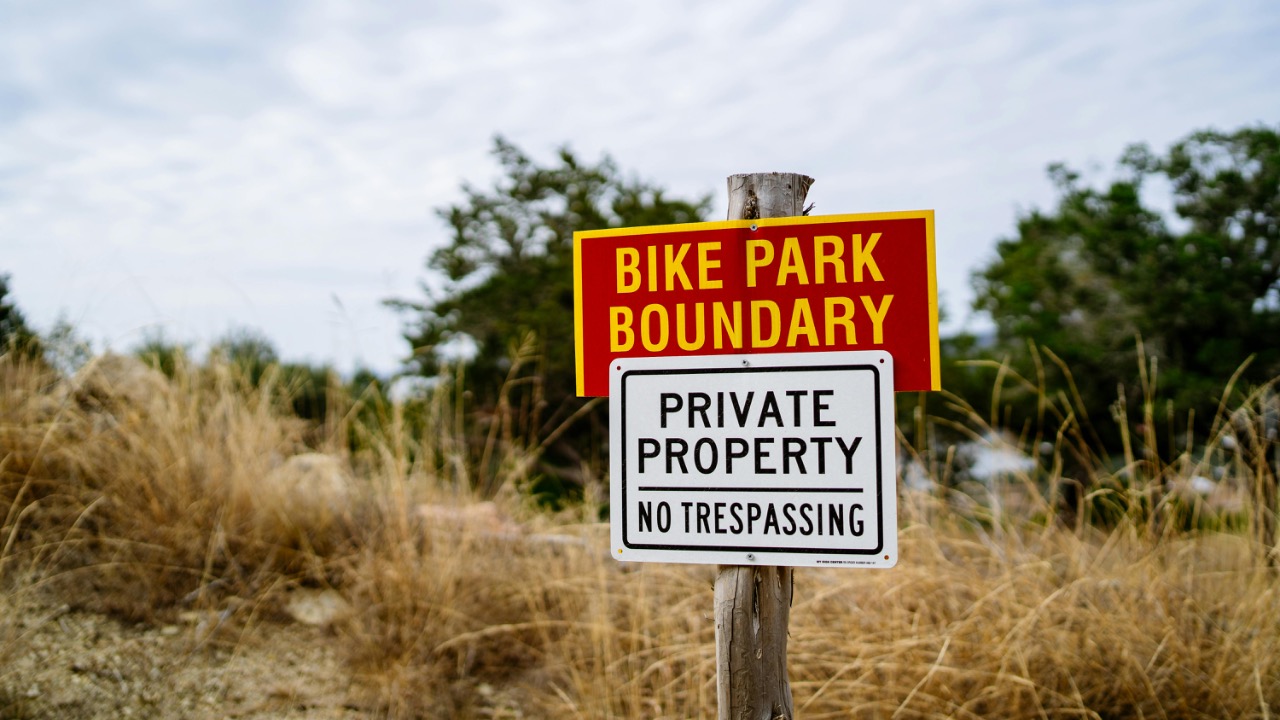
Hunters across the United States say they’re finding it harder each year to access land for hunting as more private property gets posted with “No Trespassing” signs. The issue has become a growing talking point in hunting communities, where many feel that once-open land is gradually becoming unavailable without explicit permission from landowners.
A big part of the concern comes down to how much hunting traditionally depends on private land access. In fact, research from the U.S. Fish and Wildlife Service shows that the majority of hunters rely on private property for at least part of their hunting each year, which means any reduction in access can have a wide impact on participation and opportunity.
Why hunters say access is getting harder
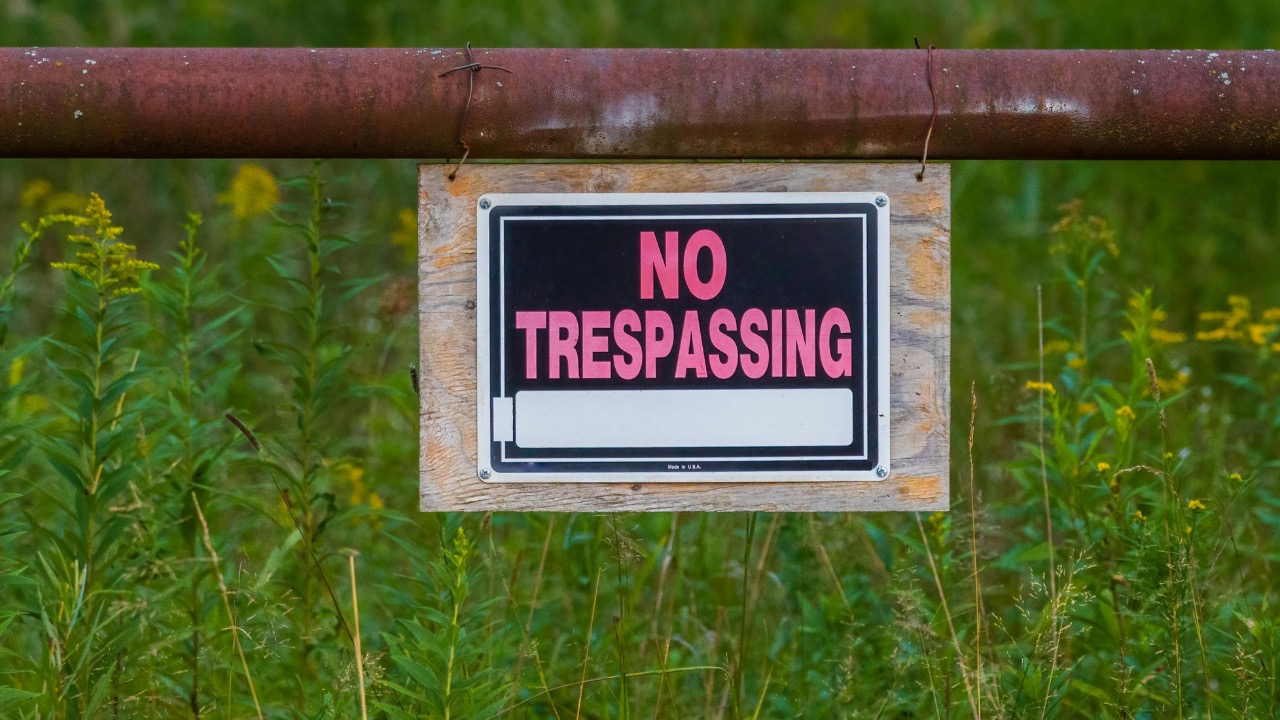
Many hunters point to rising land values, increased development, and changing land ownership patterns as reasons more property is being posted. As land becomes more expensive and subdivided, fewer owners are willing to allow open access, especially without formal agreements or liability protections.
There’s also a cultural shift involved. Some landowners say increased trespassing, littering, and unsafe behavior have made them more likely to restrict access entirely. That tension between public tradition and private property rights has become one of the main friction points in rural areas.
Private land posting and changing expectations
Posting land is not new, but hunters say it’s becoming more common in areas that were once informally open. In the past, some rural regions operated on handshake agreements or long-standing community trust. That system is weakening in many places as ownership changes and new landowners take a stricter approach.
At the same time, wildlife management agencies in many states have tried to encourage voluntary access programs that pay landowners to allow controlled hunting. These programs aim to balance private property rights with public hunting demand, but coverage is uneven depending on the state and funding.
Public land pressure adds to the problem
As private access becomes more limited, more hunters are shifting toward public land, which creates another challenge: crowding. Public areas can become heavily used during peak seasons, leading to competition for spots and increased pressure on wildlife.
Some studies and surveys have noted that while hunting participation overall has declined slightly over time, the demand for accessible land remains a major issue. Even where public land is available, it often cannot fully replace the scale and variety of private land access that many hunters previously relied on.
Efforts to keep access from shrinking further
States and federal agencies have responded by expanding walk-in access programs and conservation partnerships that pay landowners to keep land open for hunting. These programs are designed to give landowners financial incentive while maintaining opportunities for hunters.
There are also ongoing discussions about improving communication between hunters and landowners, increasing respect for property boundaries, and expanding education on ethical hunting practices. Many wildlife officials say long-term access depends on rebuilding trust between both sides rather than relying only on regulation.
What hunters see happening next
Hunters are divided on whether the trend can be reversed. Some believe expanded access programs and better cooperation with landowners can stabilize the situation. Others think continued land development and rising property values will make access increasingly limited over time.
What most agree on is that access is now one of the biggest issues shaping modern hunting. Even in regions with strong wildlife populations, the ability to reach land legally and safely is becoming just as important as the animals being hunted.

Leo’s been tracking game and tuning gear since he could stand upright. He’s sharp, driven, and knows how to keep things running when conditions turn.