Knives that stay sharp through real, hard use
Knives that keep cutting after months of abuse are not accidents of luck, they are the result of deliberate choices about steel, geometry, heat treatment, and design. When I look at blades that truly hold an edge in the real world, from hunting camps to job sites, the same patterns keep surfacing: smart steel selection, conservative grinds, and hardware built to be maintained rather than admired in a display case.
In hard use, marketing claims fall away and only performance matters, whether that is a folding everyday carry knife or a fixed blade meant for field dressing large game. The models that stand out combine high hardness with enough toughness to survive prying and twisting, and they pair that with handles and sheaths that make it easy to keep the knife on you and in service. The result is gear that stays sharp through real, hard use instead of fading after a weekend of light chores.
What “hard use” really means for a knife
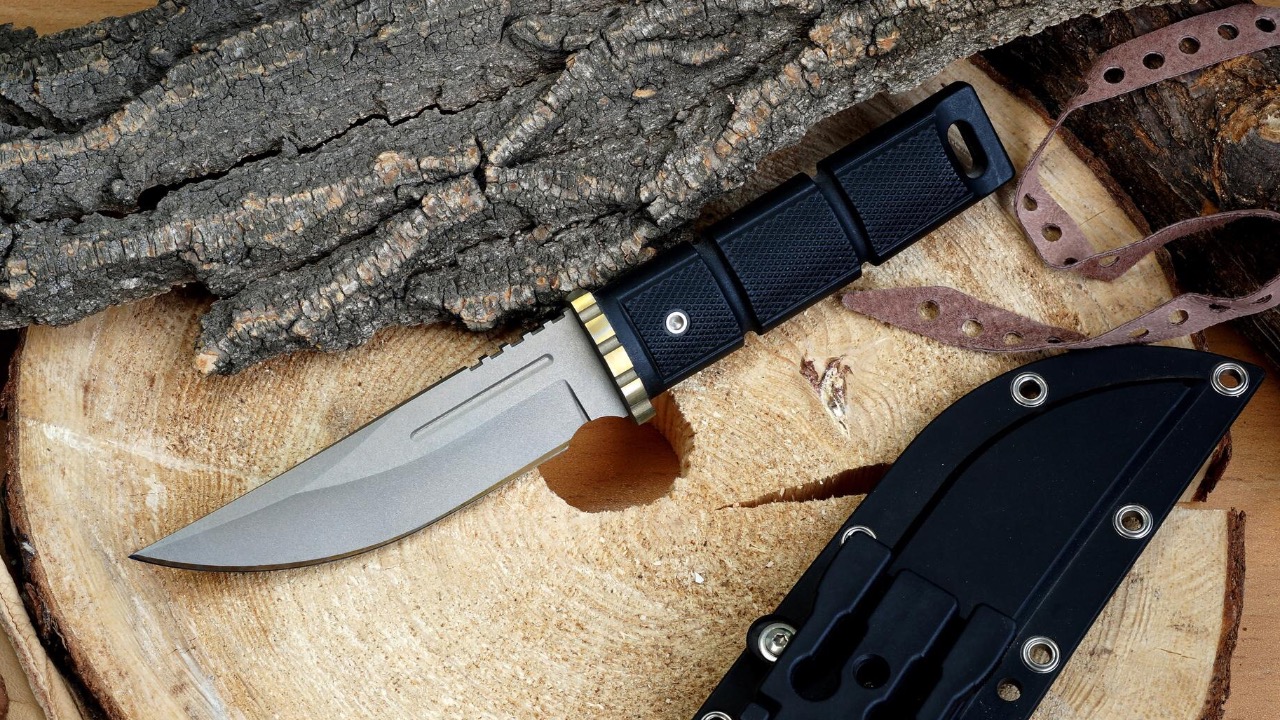
When I talk about a hard use knife, I am not thinking about opening mail or slicing fruit, I am thinking about cutting rope in the rain, breaking down dense cardboard, batoning kindling, or processing an animal in the field. In that environment, a blade is dragged through abrasive material, twisted in knots, and sometimes pushed into light prying, all of which punish the edge and the pivot or tang. A knife that survives this without chipping or rolling has to be designed from the steel up for durability rather than only for showroom sharpness.
Writers who live with their gear every day tend to converge on the same criteria, which is why lists of hard use everyday carry models highlight compact but stout folders like the ESEE Zancudo that are carried for weeks and made to earn their place through real work rather than quick impressions. One detailed review of hard use EDC options notes that if a knife appears on the list, it has been carried for at least a few weeks and pushed through demanding tasks, a standard that reflects how serious users separate marketing from reality by insisting that knives be carried hard before they are recommended.
Why steel choice decides edge life
Edge retention starts with steel, and the difference between a budget stainless and a purpose chosen tool steel can be the difference between resharpening every afternoon and touching up once a week. High carbon and alloy steels that form large, wear resistant carbides tend to keep cutting long after softer steels have gone dull, but they also demand precise heat treatment so they do not become brittle. For users, the practical question is how often they are willing to sharpen in exchange for corrosion resistance and toughness.
D2 Steel is a good example of a composition that has become a benchmark for working knives because of its balance of hardness and wear resistance. Detailed technical notes on D2 explain that it is renowned for exceptional hardness, often reaching HRC 58 to 62 on the Rockwel scale, a range that gives it outstanding Hardness and Edge Retention while still allowing it to stand up to heavy use. That kind of hardness, when paired with a sensible grind, lets a knife keep a working edge through repeated cuts in abrasive material without constant trips to the sharpener.
Geometry, grind, and how sharpness survives abuse
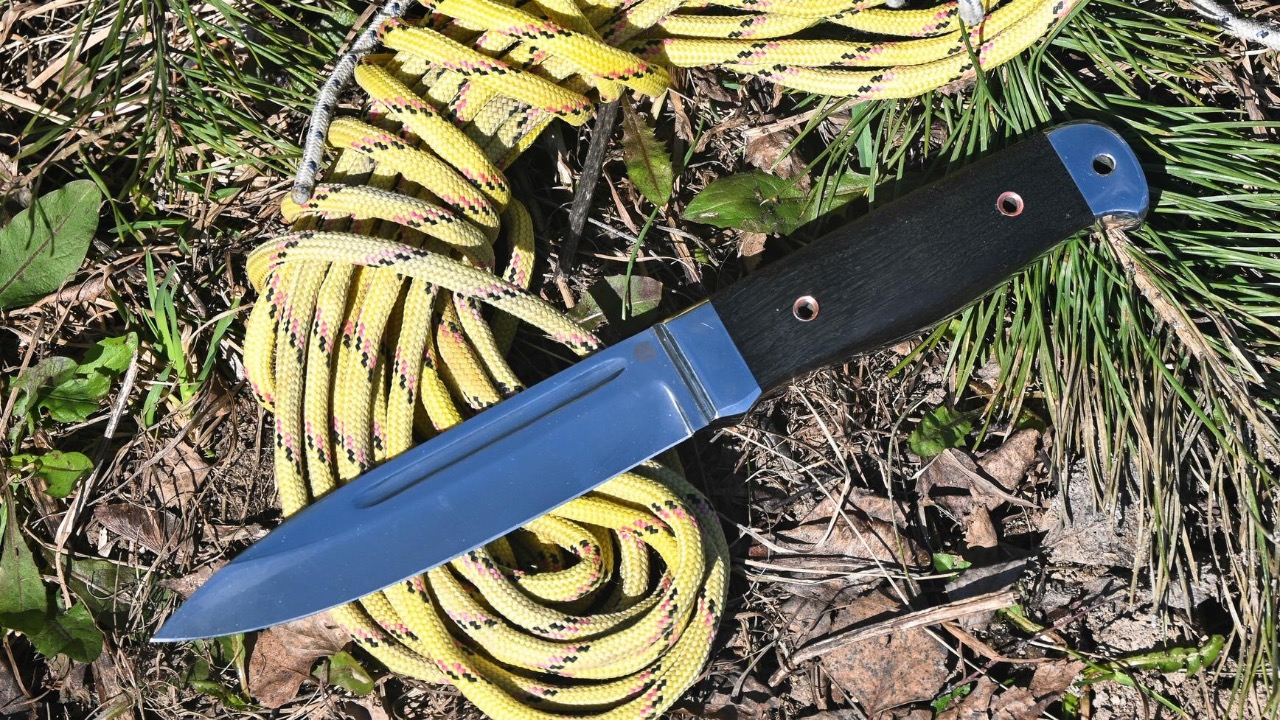
Even the best steel will fail early if the edge geometry is too thin for the work, which is why many hard use knives favor slightly thicker edges and robust grinds. A full flat grind that is taken down to a very fine edge can feel razor like out of the box, but in rough cutting it is more likely to chip or roll than a more conservative convex or high saber grind. I look for blades that strike a compromise, thin enough behind the edge to slice but not so delicate that a bit of lateral stress will ruin the profile.
Some production knives marketed for demanding environments illustrate this balance by pairing high hardness steels with stout blade shapes and reinforced spines. Product listings for heavy duty fixed blades show thick stock, pronounced swedges, and carefully shaped tips that are meant to survive tasks like drilling or scraping, details that can be seen in catalog entries for hard use blades that emphasize durability over ultralight slicing. Those design choices may sacrifice a bit of effortless kitchen style cutting, but they pay off when the knife is driven through knots or used to baton wood.
Benchmade Adamas and the modern hard use fixed blade
Among production fixed blades built for punishment, the Benchmade Adamas line has become a reference point because it is explicitly designed for military and heavy field use. The current generation of the Benchmade Adamas fixed blade focuses on delivering that durability without adding unnecessary weight to a loadout, a priority that matters when every gram on a belt or vest has to be justified. The blade profile, handle texturing, and sheath system are all tuned for gloved use and fast deployment rather than casual pocket carry.
Product descriptions for the Benchmade Adamas highlight that a new era of the design aims to keep the knife as capable as earlier versions while trimming bulk so it does not become just another heavy piece of gear. The fixed blade variant, identified in listings like the 375FE-1, is built around a full tang with skeletonized cutouts that preserve strength while shaving ounces. A separate catalog entry for the same model reinforces that the Benchmade Adamas is positioned as a serious working tool rather than a collectible, with specifications that prioritize field reliability over cosmetic flourishes, as seen in the detailed product listing that focuses on materials and construction.
Buck Alpha Hunter Pro and edge holding in the field
For hunters, a knife that dulls halfway through processing an animal is more than an annoyance, it can slow down work and increase the risk of slips. The Buck Knives 664 Alpha Hunter Pro is built specifically for the rigors of large game hunting, with a blade shape and steel choice meant to stay sharp through skinning, quartering, and camp chores. The handle uses Richlite, a composite that offers grip and weather resistance, which matters when blood, fat, and moisture are part of the job.
In detailed product descriptions, The Buck Alpha Hunter Pro is described as a knife built for the rigors of large game hunting, with the model number 664 tied to the Alpha Hunter Pro designation and the Richlite #0664BRS handle. A separate catalog entry for the same Buck Knives model underscores that the 664 Alpha Hunter Pro is not a generic outdoor knife but a purpose built hunting tool, with specifications that emphasize its suitability for repeated field dressing tasks, as reflected in the detailed listing that calls out its construction and intended use.
MagnaCut and the Blackfoot 2.0 approach to longevity
Newer stainless formulations like MagnaCut have shifted the conversation about what a hard use knife can be, because they offer high hardness and edge retention with corrosion resistance that older tool steels could not match. For users who work in wet or coastal environments, or who simply do not want to worry about wiping down a blade constantly, that combination is compelling. It allows a knife to live on a belt or in a pack without babying, while still delivering the kind of edge life that used to require more rust prone steels.
The Blackfoot 2.0, offered in an Olive configuration with MagnaCut stainless, is an example of how makers are building around this steel to create compact but capable field knives. Product information for the MagnaCut Blackfoot 2.0 Olive Stainless Steel notes that the company emphasizes Sharpening for Life, a promise that reflects confidence in both the steel and the service model, and invites users to Find out more about the product. A separate catalog entry for the same MagnaCut Blackfoot 2.0 reinforces that positioning, again highlighting the Olive Stainless Steel configuration and the Sharpening for Life commitment in a way that underlines how the maker expects the knife to see long term, repeated use, as shown in the product details.
Everyday carry folders that can take a beating
Hard use is not limited to fixed blades, and many people rely on a folding knife as their primary cutting tool at work and at home. The challenge for a folder is to combine a strong lock and pivot with a blade that can handle twisting and side loads without introducing play or failure. That is why I pay close attention to how reviewers describe long term carry, not just first impressions out of the box.
One detailed look at hard use EDC knives highlights models that have been carried for at least a few weeks and made to earn their slot, with the ESEE Zancudo singled out as a compact but tough option that can be bought through outlets like Amazon and specialty retailers such as Shop Blad. The same review, available through a direct EDC guide, stresses that if a knife is on the list it has been used extensively, a standard that filters out designs that feel solid in the hand but develop issues once the pivot is full of grit and the edge has been dragged through hundreds of cuts. That kind of long term perspective is crucial when choosing a folder that will stay sharp and mechanically sound under daily abuse.
D2 in the real world: why it keeps showing up
Returning to steel choice, D2 keeps appearing in hard use knives because it offers a practical balance for users who want long edge life without stepping into more exotic and expensive alloys. In my experience, a D2 blade that has been heat treated into the upper fifties or low sixties on the Rockwel scale will keep cutting through cardboard, rope, and wood far longer than many entry level stainless steels, even if it requires a bit more effort to sharpen. The tradeoff is that D2 is semi stainless at best, so it benefits from a light coat of oil and some care in wet conditions.
Technical discussions from knife makers emphasize that D2 Steel knives are renowned for their Hardness and Edge Retention, with hardness often reaching HRC 58 to 62 on the Rockwel scale, a range that lets the edge stand up to heavy use without constant maintenance. One detailed breakdown of D2, available through a focused steel overview, notes that this combination of hardness and wear resistance is what makes D2 so attractive for working knives that need to stay sharp through demanding tasks. For users who are willing to learn basic sharpening skills, that performance profile can be a compelling reason to choose D2 based blades for real world abuse.
Matching knife design to real tasks
Ultimately, a knife that stays sharp through hard use is one that is matched to the work it will actually see, not the work imagined in marketing copy. A hunter who spends days in the field will benefit from a purpose built fixed blade like the Buck Knives 664 Alpha Hunter Pro, with its Richlite handle and large game focus, while a soldier or law enforcement officer might gravitate toward a Benchmade Adamas fixed blade that is designed to integrate into a loadout without adding unnecessary weight. An outdoor generalist who wants corrosion resistance and long edge life in a compact package might look closely at a MagnaCut Blackfoot 2.0 Olive Stainless Steel with its Sharpening for Life promise.
There are also countless general purpose fixed blades and folders that aim to balance these priorities, from heavy duty field knives listed in broad product catalogs to more specialized designs that focus on particular tasks. Some catalog entries highlight thick spines and reinforced tips for prying and drilling, as seen in robust field knives, while others emphasize compactness and carry options in listings for compact blades. The key is to read past the marketing language and focus on steel, grind, handle design, and real world reviews, because those are the elements that determine whether a knife will keep cutting long after the first edge has dulled.

Leo’s been tracking game and tuning gear since he could stand upright. He’s sharp, driven, and knows how to keep things running when conditions turn.