Hunting Knives That Stay Sharp After Months of Use
In the field, a hunting knife that dulls halfway through an animal is more than an annoyance, it is a liability. The models that earn a permanent spot on a hunter’s belt combine smart steel choices, thoughtful geometry, and, increasingly, clever systems that keep a fresh edge in play for months at a time. I set out to identify the designs and materials that actually hold up to that promise under real-world use, from classic folders to ultra-hard modern steels and replaceable-blade systems.
Across conversations with wardens, guides, and home butchers, a pattern emerges: the knives that stay sharp longest are not always the thickest or flashiest, but the ones that balance edge retention with toughness and maintenance you will actually do. That balance runs through everything from CPM powder steels and carbon blades to the rise of modular hunting knives that let you swap in a new edge as easily as changing a magazine.
Why edge retention matters more than marketing claims
Edge retention is not a theoretical spec for hunters, it is the difference between clean, controlled cuts and tearing meat or slipping on bone when fatigue sets in. A blade that can process a deer, break down quarters, and still slice cordage cleanly a month later changes how often I need to stop and sharpen, and it changes how much gear I carry into the backcountry. That is why I focus less on broad “sharpness” claims and more on how a knife behaves after repeated skinning, boning, and camp chores over an entire season.
Durability in this context is about more than hardness numbers on a chart. A knife that chips out on a rib cage or rusts in a damp scabbard has effectively lost its working edge, even if it started razor keen. Some hunters lean on traditional carbon steels because they know from kitchen testing that blades made from carbon steel can take very fine edges and hold them for much longer than many basic stainless alloys, a pattern echoed in evaluations of carbon kitchen knives that single out a Zwilling Kanren 8 Inch Chef’s Knife at $332 as a benchmark for edge life. The same physics apply in the field, even if the blade shapes and tasks look different.
Modern steels that really do stay sharp for months
The biggest leap in hunting knife longevity has come from modern powder metallurgy steels that combine high hardness with fine, even carbides. The Benchmade Raghorn is a good example of how this technology has filtered into dedicated hunting designs, with a blade in CPM S30V that is explicitly described as a powder steel, giving it a mix of corrosion resistance and edge holding that suits repeated field dressing without constant touch-ups. In its OD Green G10 configuration, the Benchmade Raghorn shows how CPM formulations can be tuned for hunters who want a fixed blade that will ride through multiple animals before needing a stone.
At the more extreme end of edge retention, CPM S90V has become a reference point for how long a pocketable blade can stay keen. One analysis of pocket knife steels notes that CPM S90V Steel CPM S90V steel stands out for its extreme edge retention and wear resistance, making it suitable for high performance cutting tools that demand long term reliability, a description that fits backcountry hunting as well as urban everyday carry. A premium folder like the Bugout, in a configuration that uses corrosion resistant CPM S90V with a Rockwell hardness rating tuned for both toughness and edge life, shows what is possible when a manufacturer leans into this alloy, with the Benchmade Bugout marketed specifically for taking and retaining a razor sharp edge. Behind that marketing is metallurgy: Carpenter CPM S90V is described as an excellent high end, American made powdered metallurgical steel with a uniform micro structure and a composition designed to provide a high level of corrosion resistance, a combination that lets a blade stay sharp and stain resistant through months of blood, fat, and weather exposure, as detailed in technical notes on Carpenter CPM.
Classic hunting knives that still hold an edge
Not every hunter wants ultra hard powder steels, and some of the most enduring field knives rely on more conventional alloys paired with conservative grinds. The Buck Knife B000BTK4XS, sold as the Buck Knives 0110BRS Folding Hunter, is a case in point, described as a classic and high quality pocket knife that has stood the test of time, made in the USA with a blade that is explicitly said to remain sharp for a long time. That reputation has kept The Buck Knife in circulation for generations, and the fact that it is Made in the USA still matters to buyers who equate domestic production with consistent heat treatment, as highlighted in product descriptions that emphasize the Buck Knife heritage.
Buck has also leaned on its 420HC stainless formula in newer hunting themed editions, including a folding hunter that is Crafted by the renowned brand Buck Knives, with a 420HC stainless steel blade that is Known for holding an edge and staying sharp and dependable even after heavy use. That description of the Buck 110 We The People edition underlines how much of the company’s identity is tied to predictable edge life in the field, and it is why many hunters still trust Buck Knives as a default choice. In the fixed blade world, regional voices matter too: a Northwoods warden named Warden Kale O’Leary points to a Havalon knife as a go to, while Aroostook Hunter Mike Maynard favors a Boker, a German knife handed down by his father, illustrating how both modern replaceable blade systems and traditional German steel can earn a reputation for staying sharp when hunters like Warden Kale and Aroostook Hunter Mike Maynard put them to work.
Replaceable blade systems that cheat dullness
For some hunters, the most reliable way to have a sharp knife after months of use is to treat the blade as a consumable. Replaceable blade hunting knives borrow from utility knives and medical scalpels, letting you snap in a new edge when the old one dulls instead of grinding steel away. One hunter in a Buy It For Life discussion admits that, despite owning “real knives and sharpening equipment,” he finds that swapping in a new disposable blade every couple of months is simply less hassle based on how he uses his knife, a sentiment that captures why these systems have taken hold among people who prioritize cutting performance over sentimentality, as described in a thread on pocket knife recommendations.
Outdoor Edge has been one of the most aggressive brands in this space, marketing 5.0 inch boning and fillet replacement blades as Long Lasting Performance, built to withstand rugged outdoor conditions while offering exceptional durability and sharpness for repeated use. That pitch is aimed squarely at hunters and anglers who want a consistent factory edge every time they click in a new six pack of blades, and it is echoed in a short video that frames the Outdoor Edge RazorLite EDC as a pocket knife that lets you “never sharpen again,” positioning the Outdoor Edge EDC format as ideal for camping and hunting where a quick blade swap keeps you cutting. The same logic shows up in poultry processing circles, where one user says “I really like the outdoor edge razor max replaceable blade knives,” adding that you can still sharpen the blades when they are dull if you really want to, or just buy new blades, a pragmatic view of the You focused Outdoor Edge Razor Max system that mirrors how many hunters now think about edge maintenance.
Fixed blades built to last a full season
Despite the rise of replaceable blades, many serious hunters still prefer a solid fixed blade that can be resharpened for decades. Advocates point out that fixed blade knives eliminate moving parts that can fail in the field, and they often come with full tang construction that stands up to prying and twisting. A detailed look at one such design, the Hogue Extrak, notes that fixed blade knives have clear advantages in strength and reliability, but also concedes that there are advantages to using a replaceable blade knife, such as maintaining a consistently sharp edge during extended hunting trips, a balanced view that underscores why some hunters carry both a stout fixed blade and a scalpel style backup, as discussed in a review that explicitly frames those tradeoffs with the phrase “However, Fixed blade knives” when weighing options for extended hunts in the Yukon, as seen in commentary on However, Fixed designs.
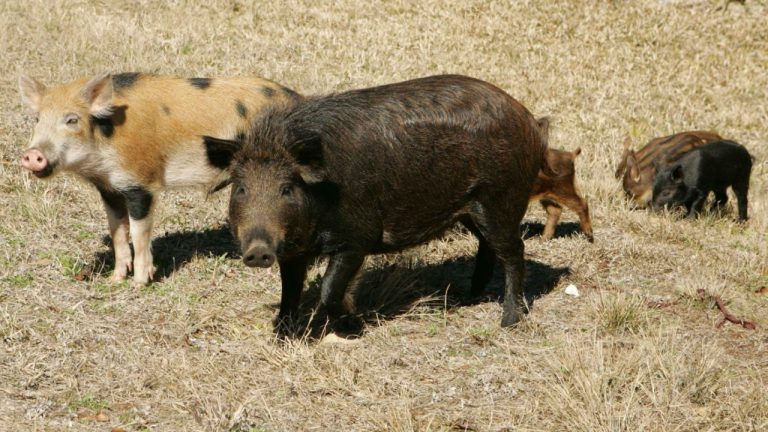
Knives of Alaska has built its brand on this long view, arguing that its hunting knives are built to last through years of hard use rather than a single season. In one account, a hunter describes a personal evolution from a Light Hunter model to an Alpha Wolf, using that progression to explain why Knives of Alaska still stands out in a crowded market. The emphasis is on blades that can be field sharpened yet hold a working edge through multiple animals, a philosophy that runs through the company’s messaging about Why Knives of and the way its Light Hunter and Alpha Wolf patterns are positioned as go to gear in the field. That same durability focus appears in hog hunting circles, where guides recommend a Bar Standard USMC Classic as a reliable option for wild hogs, describing it as more iconic and a valuable choice for experienced hunters who want a knife that can survive brutal tasks like splitting cartilage and cutting through thick hide without losing its bite, as noted in a roundup of Bar Standard USMC picks.
Real world voices: from Old Hickory to Meatcrafter
Beyond spec sheets, the knives that stay sharp in real hunting camps are often the ones that have quietly proven themselves over years of butchering. In one deer butchering discussion, a butcher notes that a professional will pass the steel several times or more per hour, but still singles out an old school Old Hickory as a favorite, a nod to the way simple carbon steel blades can keep working edges with minimal fuss when paired with regular honing. That comment, posted by a user named Jan in a group thread, captures how much technique and routine matter, and it is a reminder that even a modestly priced Old Hickory can feel “always sharp” if the person holding it knows how to maintain it.
Maintenance habits that stretch sharpness for months

Leo’s been tracking game and tuning gear since he could stand upright. He’s sharp, driven, and knows how to keep things running when conditions turn.