Fishing Hacks You’ll Wish You Knew Sooner
Fishing rewards patience, but it also rewards the angler who quietly stacks small advantages. The right habits, clever gear tweaks, and a few counterintuitive rules can turn a slow day into steady action without buying a boatload of new tackle. These are the practical tricks I reach for first, the kind of fishing hacks you really do wish you had picked up years ago.
Fish Where, When, and How They Actually Feed
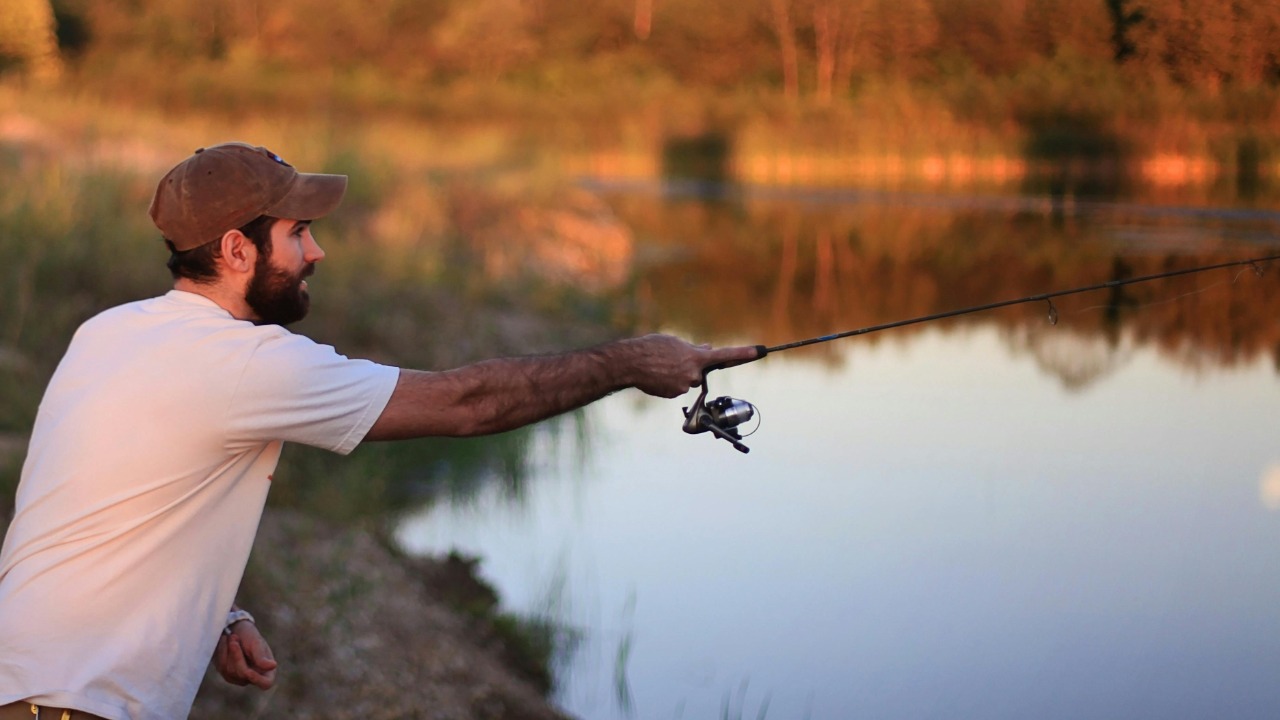
The most powerful hack is not a gadget at all, it is timing. Predators feed hardest when light is low and they feel less exposed, which is why dawn, dusk, and overcast windows so often outproduce bluebird afternoons. Guidance on how to choose the best time of day stresses that fish are more active in low light, and that mid‑day sun can push them deeper or into shade. I plan my trips around those feeding windows first, then worry about lure color and finesse later.
Location is the second half of that equation. I look for current seams, weed edges, and structure that funnels bait, then work those spots methodically instead of wandering. One of the most useful rules I have learned is the simple mantra, “Don’t leave fish to find fish,” a lesson anglers in a busy Comments Section repeat when they talk about hard‑earned wisdom. If I am getting follows, taps, or the occasional hookup, I stay put, change angles, or swap presentations rather than racing off to the next cove.
Slow Down, Read the Water, and Let the Fish Teach You
Once I am in the right neighborhood, the next hack is to slow everything down. Many anglers, especially newer ones, work lures too fast and move spots too quickly, which means they never really learn what the fish want. Several experienced voices in that same Comments Section emphasize “Slow down” as the tip they wish they had heard earlier, and I have found that to be true across species. Longer pauses, smaller hops, and more deliberate drifts give neutral fish time to commit.
Slowing down also makes it easier to actually read the water. One angler in a community of women anglers summed it up neatly by saying that Fishing is not just about casting, it is about reading the water, feeling the rhythm of nature, and knowing when to move or stay put, a perspective shared in a Fishing discussion about a tip they wish they had known earlier. I watch how wind stacks surface scum, how current wraps around a point, and how baitfish react when a predator slides through. Those clues tell me more than any color chart on the back of a lure package.
Micro Gear Tweaks That Punch Above Their Weight
Some of the most effective hacks live in the tackle box, not the catalog. I keep a small stash of silica packets in my gear bag and dry box to pull moisture out of trays and protect hooks from rust, a simple trick highlighted among practical When style gear tips. Another tiny upgrade is a rubber band around a spinning reel spool to keep braid from slipping, which lets me run lighter backing and still get solid hooksets. These are the kinds of changes that cost almost nothing but quietly prevent headaches on the water.
Line management and terminal tackle deserve the same attention. If I suspect a rod guide is nicking my line, I pull an old piece of pantyhose through the guides; any chip or burr will snag or tear the fabric, a diagnostic trick described in detail in a second set of 20 Cool hacks. For cutting line, I rely on compact Nail clippers instead of bulky pliers, because They are great for slicing braid and mono cleanly and can clip to a lanyard or belt loop for instant access, as one list of tackle essentials notes when it explains why They belong in every box.
Simple Add‑Ons That Supercharge Your Bait
When the bite is tough, I often reach for a hybrid approach that blends artificial and natural offerings. Adding a small piece of nightcrawler, a live minnow, or even a leech to a jig, spoon, or spinner can dramatically increase the number of strikes, especially from pressured fish that have seen every stock lure in the aisle. One detailed breakdown of “dirty tricks” points out that Adding that sliver of real meat changes both the scent trail and the way the lure tracks, and that combination can be incredibly effective.
Live bait care is another overlooked edge. In one video of practical tips, the host walks through how to keep live baits healthy so those live baits stay live baits, including aeration, water changes, and avoiding temperature shock, a point that comes through clearly in a clip shared in Feb. I follow the same logic when I keep minnows in a pen overnight or in a livewell, making sure they have fresh, cool water and are not overcrowded. Healthy bait swims more naturally, survives more casts, and triggers more reaction strikes than a half‑dead minnow dragged behind a sinker.
Dialed‑In Boat and Kayak Setup That Lets You Fish, Not Fight Gear
On the water, the way I organize my platform matters as much as what is tied on. In a breakdown aimed at small‑craft anglers, one creator notes that Want to catch bigger fish more often, you sometimes only need small adjustments to your kayak layout, such as rod staging, anchor placement, and electronics positioning, a theme that runs through a popular Want focused video. I have found that keeping frequently used lures and tools within easy reach, and rigging a simple anchor trolley, lets me hold position on a seam or windblown point instead of constantly paddling and drifting off the sweet spot.
Cold‑water anglers can take that same mindset to ice gear. Detailed guidance on winter setups explains that Managing and modifying your gear correctly will help you find and catch more fish, whether that means tuning sonar, adjusting sled weight, or customizing rod holders, as laid out in a piece on Managing and ice gear modifications. I treat my sled like a mobile workstation, with rods protected, electronics ready to deploy, and a plan for how I will hop holes efficiently. The less time I spend untangling lines or digging for a jig box, the more time my bait spends in front of fish.
Everyday Tools and Budget Hacks That Stretch Your Tackle
Not every upgrade has to come from a tackle shop. Nail clippers from a drugstore, for example, are one of the most useful fishing tools I own. A spring guide to getting outside in spring points out that Nail clippers, Really, but not for your nails, are ideal for trimming knot tags and clipping line, and suggests anglers Try putting a set on a lanyard or belt loop so they are always handy, advice that appears in a practical Nail oriented checklist. I follow that to the letter, and it has saved me from fumbling with dull multitool blades in cold wind more times than I can count.
There are also clever ways to save money on tackle itself. One creator who experiments with budget‑friendly tricks shows how New fishing hacks can help you save money and still catch fish, from repurposing household items as bobber stops to modifying cheap lures so they run truer, a theme that runs through a video where the host says TaDay we are trying out some New fishing hacks and closes with a casual New Thank you to viewers. I borrow that spirit by reusing soft‑plastic bodies on different jig heads, swapping out rusty hooks instead of tossing whole lures, and using clear nail polish to seal chipped finishes so they last another season.
Mindset, Learning, and the Habit of Small Adjustments
The final hack is mental. The best anglers I know treat every outing as a lesson, not a verdict on their skill. One veteran bass voice puts it plainly, saying Every day is a learning experience, so you should Pay attention to small details, practice, and adjust when things do not work, before you move on to the next technique, a philosophy laid out in a piece on Every better bass techniques. I keep a small notebook or phone log of what worked, what did not, water temperature, and weather, then look for patterns over time. That habit turns random luck into repeatable strategy.
Skill building does not have to be complicated. One instructional video frames it simply, inviting viewers to Learn simple but effective fishing tips and tricks that can turn a slow day into a successful one, and promising that whether you are new or sharpening existing skills, these practical tips will help you, a message that anchors a popular Learn tutorial. I approach my own fishing the same way, focusing on one or two adjustments per trip, whether that is experimenting with a new knot, refining jig cadence, or practicing casting accuracy at a specific target. Over time, those small, deliberate tweaks add up to the kind of quiet confidence that makes every cast feel like it might be the one.

Leo’s been tracking game and tuning gear since he could stand upright. He’s sharp, driven, and knows how to keep things running when conditions turn.