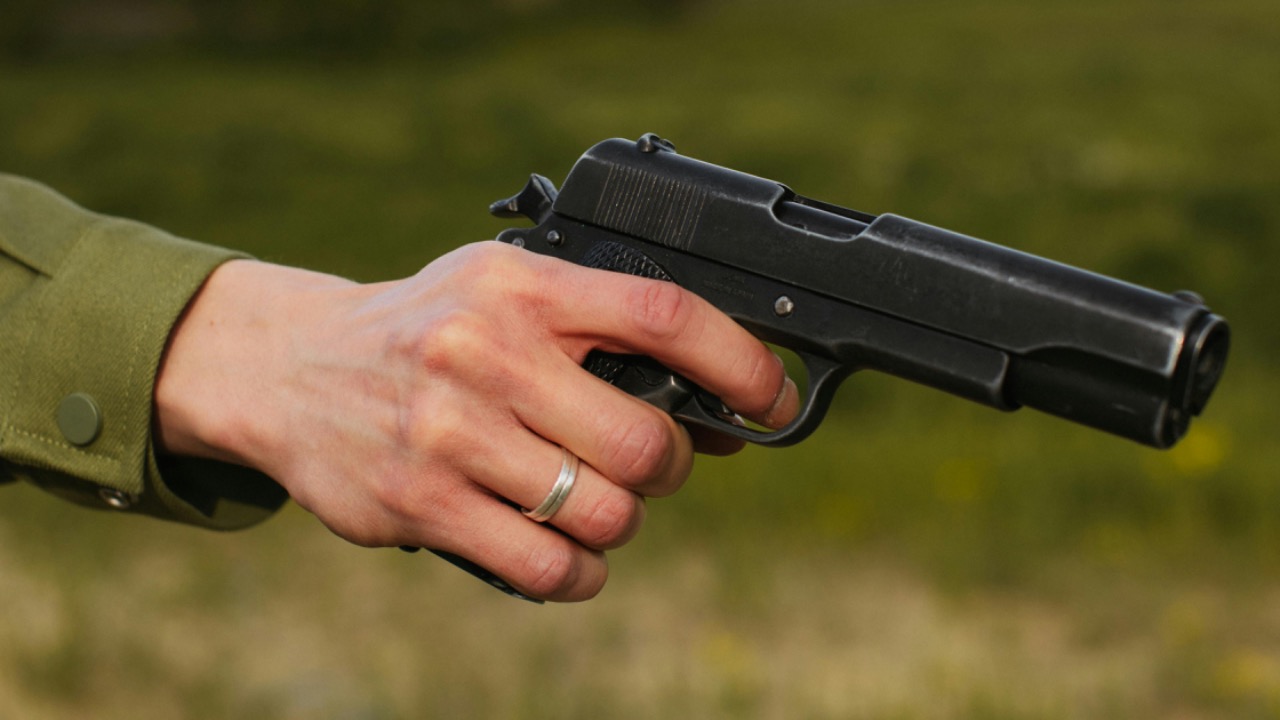
I carried a pistol for safety — then a real animal encounter changed my thinking
For many people who spend time in wild country, a pistol on the hip feels like a simple answer to a complicated fear. The idea is straightforward: if a dangerous animal appears, a quick draw will turn panic into control. Yet real encounters rarely match that clean script, and the gap between expectation and reality is where opinions about firearms and wildlife often change.
The shift usually does not come from a policy debate or a gear review. It comes in the seconds when an animal closes the distance faster than the human brain can process, when fine motor skills vanish and the weight of that handgun suddenly feels very different.
Practice, adrenaline and the split second that matters
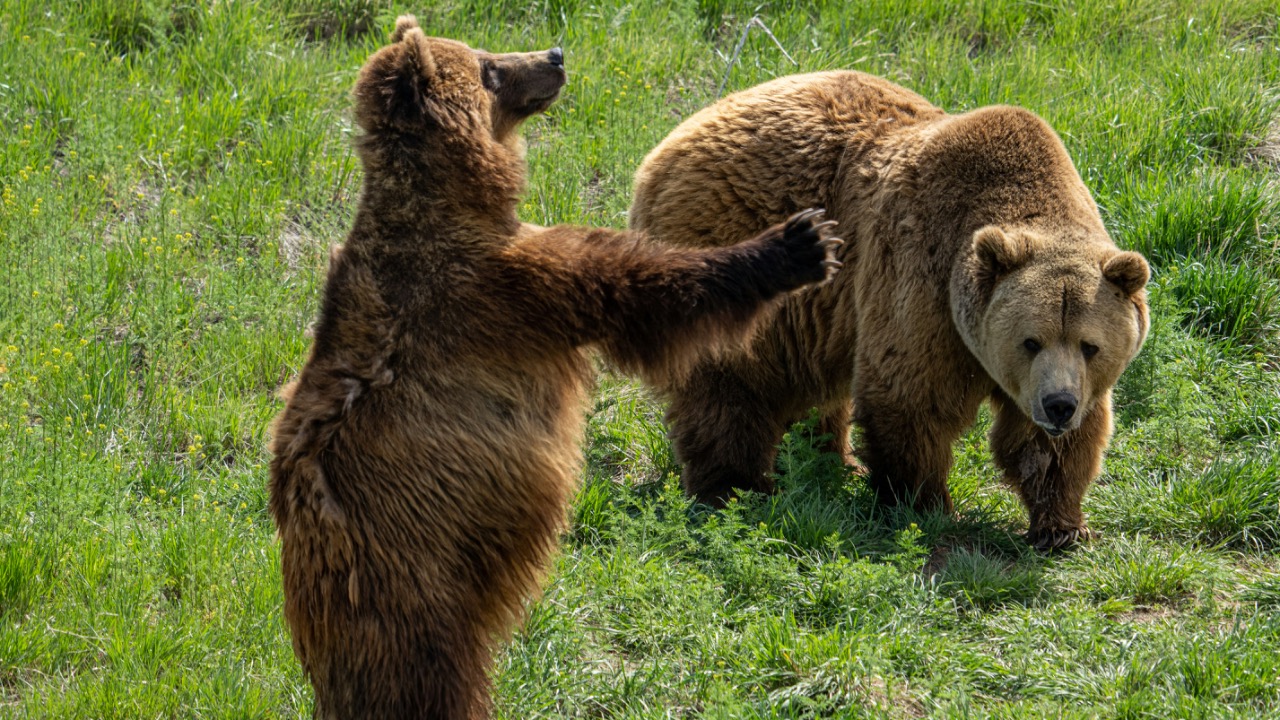
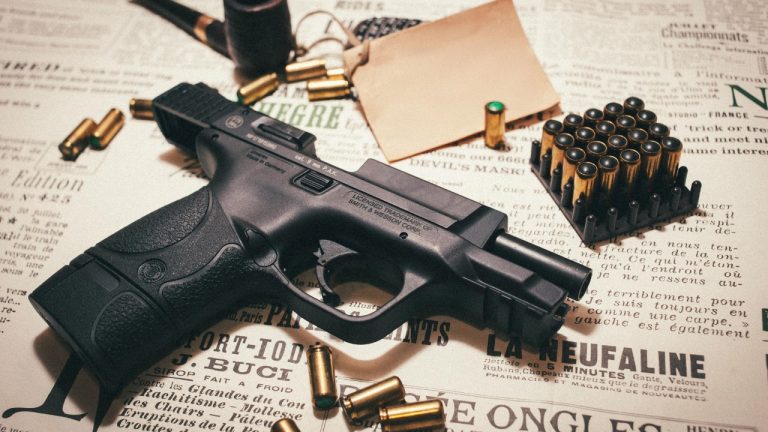
One of the clearest examples of a handgun actually stopping a large predator involves Sam Kezar, who credits months of fast-draw work with a 10mm Glock for surviving a grizzly charge. According to his account, he spent an entire summer practicing until drawing and firing became almost automatic, and he believes that without that preparation he would be dead or badly disfigured during the grizzly encounter.
In that incident, Kezar reportedly managed to fire seven rounds while the bear closed in, a feat that depended on both the power of the 10mm cartridge and what he describes as serious repetition. The same narrative stresses that the 10mm Glock, combined with what he calls Serious Practice, effectively Saved My Life, underscoring how rare it is for a handgun user to get that many accurate shots off during a full-speed charge and how much of that outcome hinged on preparation rather than hardware alone. The description of that moment, framed as Charged by a Grizzly, has become a touchstone for those who argue that a Glock on the belt can be a legitimate last line of defense in bear country.
That story, however, comes from a hunter who had rehearsed for a worst case scenario until it was almost muscle memory. It raises an obvious question: what happens when the person holding the pistol has not trained like that, or when the animal behaves in a way that does not fit the range drills?
What the research says about guns and bears
Academic work on human and bear encounters paints a more complicated picture than the heroic handgun narrative suggests. A widely cited analysis of incidents in North America found that simply having a firearm did not make people safer when bears charged. In that study, researchers concluded that carrying a gun did not reduce the likelihood of injury, and one of the authors warned that, if a person knows they are not experienced with a firearm, they probably should not expect it to help in a real attack because a charging bear can be extremely hard to hit and the situation may be better handled with other tools, a point explained in detail in the study summary.
The same research, often described as a Study on Carrying a gun in bear encounters, compared outcomes with and without firearms and still found no clear safety advantage for those who were armed. That conclusion, presented under an outdoors section that emphasized how little the presence of a gun changed the odds, has been used to argue that confidence in a sidearm can be misplaced in Bear Country and that other strategies, such as avoidance and deterrent spray, may matter more than a holstered pistol, as outlined in the research overview.
Separate work from BYU reinforced that theme. A BYU Study on Using firearms in bear encounters, published through the College of Life Sciences, examined dozens of cases involving brown bears and concluded that people who used guns were not safer than those who did not. The Life Sciences analysis focused on real-world outcomes, not theoretical stopping power, and suggested that high stress, poor shot placement and the speed of attacks all erode the advantage that a firearm might offer on paper.
Handguns that work, and the times they do not
Supporters of carrying pistols in wild country often point to specific calibers and success stories. Advocates of big-bore revolvers, for example, argue that There are more powerful calibers, but nothing says go away bear quite like a .44 Magnum, and one widely shared social media post praised an easy to pack .44 Magnum revolver as a practical option that balances power and carry weight, while explicitly highlighting the 44 M figure as a shorthand for that stopping capability.
Another frequently cited data point comes from an informal compilation of incidents that claimed Firearms were 84% effective in deterring bears, with pistols and rifles showing 76% effectiveness respectively in that dataset. The same discussion warned that people sometimes shoot themselves during an attack, which illustrates how chaotic close contact can be and how quickly the theoretical advantage of a gun can turn into a liability when fine motor control collapses.
Video accounts add more texture. In one interview, a hunter described how a bear ran him over, the rifle went flying and the animal circled back and mauled him badly until he managed to use a handgun at contact distance, which he called the only effective bear defense he had left in that moment, a story captured in a widely viewed clip. His takeaway was not that a pistol solved the problem, but that distance, terrain and awareness had broken down long before the first shot.
When a real animal encounter rewrites the script
Many gun owners describe a turning point that sounds similar to the headline premise: they trusted a pistol for outdoors protection until a wild animal put it to the test. One narrative, presented under the framing Trusted My Pistol for Outdoors Protection, Then a Wild Animal Put It to the Test, Here is What I Learned, follows a handgun carrier who faced a sudden, close-range animal confrontation and discovered how little time there was to draw, orient the muzzle and fire safely.
In that account, the animal was not a charging grizzly but still moved unpredictably enough that the shooter hesitated, worried about what lay beyond the target and whether a miss or ricochet would cause more harm than the animal itself. The experience shifted his focus from gear to behavior, leading him to emphasize noise, distance and situational awareness over the comforting weight of the pistol.
Similar lessons appear in discussions about defending pets. Attorney Mike Ooley has said, Personally, he would not stand by and let a dog be killed by an attacking animal, yet he also advocates for intermediate tools and careful judgment before resorting to lethal force, a point he makes in guidance on defense of pets. The underlying message is that every shot carries legal and moral weight, even when the threat has fur and teeth.
Why confidence in a pistol can be misleading
Several patterns emerge when real animal attacks are compared with range scenarios. First, bears and other large predators close distance far faster than most people expect. One researcher, quoted in a Mar analysis, explained that Because once a bear charges, the odds of a successful outcome are significantly lower regardless of whether the person has a firearm, especially a large one, which challenges the idea that caliber alone can fix poor positioning or slow reaction.
Second, the stress of a surprise encounter often erases the kind of fine motor skills that handgun shooting requires. A separate article on unconventional firearm wisdom warned hikers in Bear Country that carrying a trusty Glock might not provide the safety they imagine and pointed to incidents where people armed with pistols still suffered serious injuries or failed to hit the animal at all, a theme explored in a piece that began, If, when hiking in Bear Country, you think you are safe because of your Glock, think again, and referenced cases in Las where outcomes were far from ideal.

Asher was raised in the woods and on the water, and it shows. He’s logged more hours behind a rifle and under a heavy pack than most men twice his age.