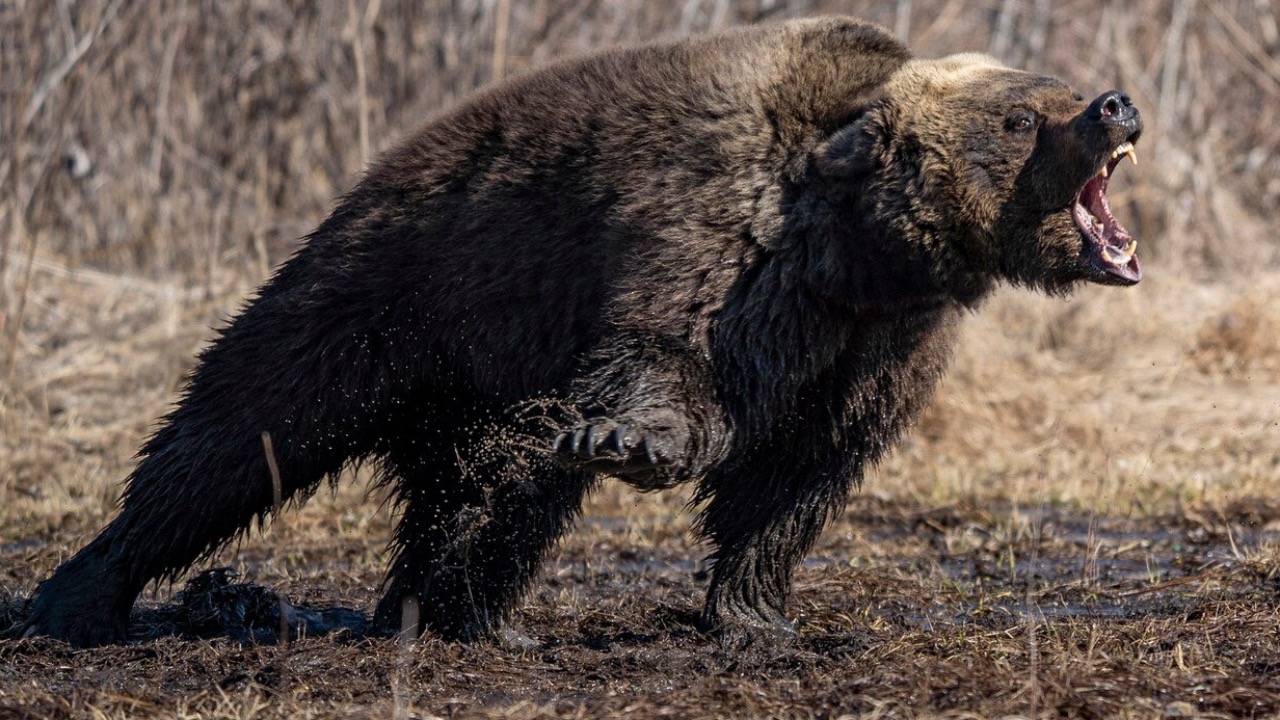
Woman seriously injured in rare bear attack in previously unaffected area
A woman named Jan is recovering from life changing injuries after a rare bear attack in a part of India that had never recorded such an incident before. Local officials called it the first bear attack reported from this area, a place where people were used to sharing space with wildlife but not facing this kind of direct violence. For anyone who spends time outdoors, the story is a reminder that bear country is expanding, and the old mental maps of “safe” and “risky” ground are shifting fast.
Where the attack happened and why it matters
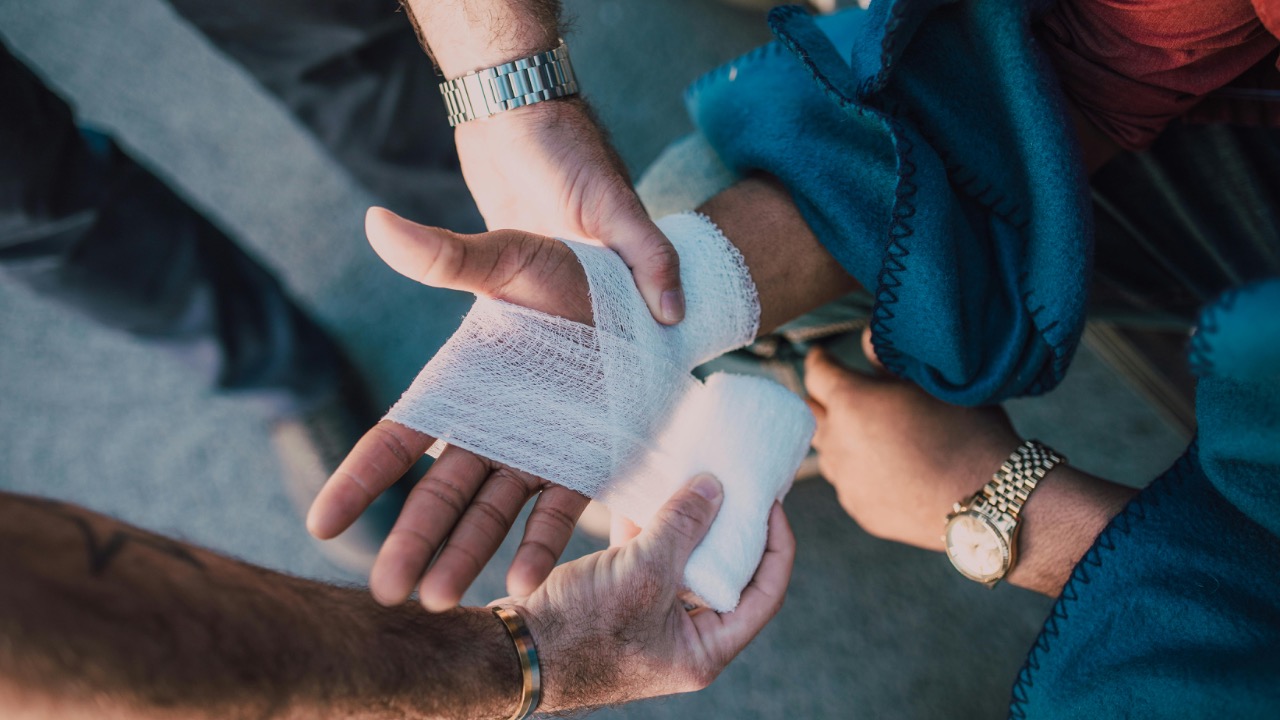
The attack on Jan unfolded in a region near Dehradun, a city that sits at the foothills of the Himalayas and has long been a gateway between dense forest and fast growing suburbs. People there are used to seeing monkeys, stray cattle, and the occasional leopard on the edge of town, but officials stressed that this was the first bear attack reported from this area. That detail matters, because it signals that bears are now pushing into landscapes where residents have little experience reading their behavior or managing encounters.
From what has been reported, Jan was going about a routine part of her day when the bear came at her, leaving her seriously injured before it moved off. The shock in the community is not only about the severity of her wounds, but about the fact that a bear showed up at all in a place that had never logged such an incident. When a new predator appears on the map, people have to relearn how to use their own backyards, and that learning curve can be steep and unforgiving.
How Jan survived a first of its kind mauling
Jan’s survival is being treated as a near miracle by people who saw the aftermath of the mauling. Reports describe her as seriously injured, with wounds that will take a long time to heal, but alive and able to tell at least part of the story of what happened. In a lot of bear attacks, especially where people are not used to carrying deterrents or traveling in groups, the difference between life and death comes down to a few seconds of reaction and a bit of luck.
Details from the incident show that this was not a bluff charge or a quick swat, but a sustained assault that left her fighting for her life. The account of a woman seriously injured in an unprecedented bear attack, identified as Jan, underscores how violent these encounters can be even when they are rare. Her case, described in coverage of a woman seriously injured in India, is already being used by local officials as a wake up call for residents who never thought they needed to think about bear safety at all.
Why bears are showing up in new places
When a bear attacks in a place with no history of such incidents, it is tempting to treat it as a freak event. In reality, it fits into a broader pattern of bears expanding their range as habitat changes, human development spreads, and food sources shift. In many regions, forests that once formed a solid barrier between people and large carnivores have been carved up by roads, farms, and new housing, creating a patchwork where animals are pushed to roam farther and take more risks.
Wildlife specialists have been warning that as bears adapt to human dominated landscapes, sightings and conflicts will rise in areas that never used to see them. One analysis framed it under the banner of Exploring Possible Causes rise in bear sightings, pointing to animals being drawn toward human settlements in search of resources. When you combine that with growing human populations on the edge of wild country, you get exactly the kind of first time encounter that left Jan in the hospital.
Global warning signs from other bear frontiers
What happened near Dehradun is not an isolated story. Around the world, communities that once felt safely removed from big predators are learning that those lines are moving. In parts of the United States, for example, Wildlife officials have issued stark warnings after fatal bear attacks in regions that had not seen such incidents in years, if ever. Those warnings stress that as more people hike, camp, and build homes in bear habitat, the odds of a bad encounter climb.
In one widely discussed case, Wildlife managers in a U.S. region spoke bluntly after recent fatal attacks, saying that they might never fully understand why a particular bear turned deadly, but that people needed to adjust their behavior all the same. The pattern is familiar: a long quiet stretch with no serious incidents, followed by one or two brutal encounters that force everyone to rethink how they move through the woods. Jan’s attack fits that mold, and it should be read as part of the same global trend rather than a one off anomaly.
Japan’s high tech response to rising bear conflicts
If you want to see how far communities will go once bear attacks become a regular fear, look at parts of Japan. There, a spike in encounters has pushed local leaders to experiment with tools that sound like something out of a science fiction movie. In some towns, officials have deployed Pepper spray drones and red eyed robot wolves to scare off bears that have been terrorising rural communities. The idea is to keep people safe without having to kill every problem animal that wanders too close.
Reporting from Hokkaido and other regions describes how Experts say the problem is worsening as bear numbers rise, including at least 12,000 brown bears in Hokkaido, Japan. Those same experts warn that as more people head into the hills to hike or pick mushrooms, the risk of surprise encounters grows. The two minute attacks that have left people dead or badly hurt there are a grim preview of what can happen when bears lose their fear of humans and start treating villages and farm fields as part of their normal range.
Recent North American attacks show similar patterns
North America has its own list of incidents that echo what happened to Jan. In Minnesota, a Minneapolis woman was badly hurt when a black bear attacked her at a cabin near Gull Lake in Fairview Township as she stepped outside around midnight to let her dog out. That is the kind of everyday chore most of us do without a second thought, yet it put her face to face with a bear that treated the yard like its own turf. The attack was sudden and violent, and it left her with serious injuries before the animal moved off.
In Wisconsin, a Black bear attacked a 69-year-old woman, leaving her severely injured and prompting Authorities to search for the animal so they could euthanize it. In both cases, the bears were not deep in remote wilderness, they were close to homes and cabins where people felt relatively secure. Those stories line up with Jan’s experience in India, and together they show how quickly a quiet edge of bear country can turn into a hotspot once a single animal crosses an invisible line.
What Jan’s attack tells locals about living with bears
For people living near Dehradun, the lesson from Jan’s ordeal is that they now share their landscape with a powerful animal that does not follow human rules. That means rethinking everything from how they store food and garbage to how they walk to work at dawn or head out to collect firewood. In communities that have lived alongside leopards or monkeys for years, there can be a sense that they already know how to handle wildlife, but bears are a different kind of problem. They are stronger, more likely to stand their ground, and more capable of turning a brief encounter into a life threatening situation.
Local authorities are likely to lean on Jan’s story as they push for new safety habits, from traveling in groups in forested areas to making more noise on trails and teaching kids what to do if they see a bear. The fact that this was the first bear attack reported from this area gives them a narrow window to get ahead of the problem before it becomes routine. If they move quickly, they can turn one horrific incident into a catalyst for better coexistence, instead of waiting for a second or third mauling to drive the point home.
Practical safety lessons for anyone in emerging bear country
As someone who has spent a lot of time in bear country, I look at Jan’s case and the attacks in Minnesota, Wisconsin, and Japan and see the same basic rules that keep coming up. First, assume that if bears live within a day’s walk of your town, they can and will show up in your neighborhood at some point. That means securing trash, livestock feed, and kitchen scraps so you are not training a bear to see your home as a buffet. It also means carrying deterrents like bear spray when you head into nearby woods, even if no one in your area has ever reported a bear attack before.
Second, learn how to read sign and behavior. Fresh scat, tracks, claw marks on trees, and torn up logs are all hints that a bear is working that patch of ground. In the Minnesota case near Gull Lake in Fairview Township, the woman was caught off guard when she stepped outside at night, a time when bears are often more active around human structures. In Wisconsin, the 69-year-old woman was attacked at home, which shows that even familiar spaces can turn dangerous if a bear has been hanging around. Those details should push all of us to build new habits, like scanning with a flashlight before stepping into a dark yard and keeping dogs close so they do not bring an angry bear back to the porch.
Where this leaves Jan, and the rest of us
Jan’s road back from a serious mauling will be long, and the scars will be more than physical. People who survive attacks like hers often talk about how their sense of safety in the outdoors is shaken for years. At the same time, many of them become some of the most effective voices for smarter coexistence, because they understand better than anyone what is at stake when a community ignores early warning signs. Her experience in a previously unaffected area near Dehradun is exactly that kind of warning.
For the rest of us, whether we live in India, Japan, the United States, or anywhere else bears are reclaiming ground, the message is straightforward. Bear country is not a fixed line on a map, it is a moving edge that can reach your doorstep faster than you think. If we pay attention to cases like Jan’s, to the high tech experiments in Japan, to the blunt alerts from Wildlife officials, and to the painful lessons from cabins in Minnesota and farmhouses in Wisconsin, we have a chance to adapt before the next “first ever” attack hits the news. The alternative is to keep being surprised, one mauling at a time.

Asher was raised in the woods and on the water, and it shows. He’s logged more hours behind a rifle and under a heavy pack than most men twice his age.