I Walked Out of a Firearms Course After 10 Minutes — How to Spot a Bad Instructor
Firearms training is supposed to make students safer, more confident and more competent, not anxious about whether they will leave the range in one piece. When an instructor is careless, unprepared or more interested in their own ego than in student safety, the smartest move can be to step off the line and walk away. Learning to spot a bad instructor in the first ten minutes can prevent injuries, wasted money and years of bad habits.
The warning signs are rarely subtle. From the way an instructor handles a demonstration gun, to how they talk about safety, to whether they can explain basic mechanics without bluster, early red flags tend to cluster. Patterns described by trainers, attorneys and students who have lived through poor courses offer a practical checklist for anyone vetting a class.
Safety violations that justify leaving immediately
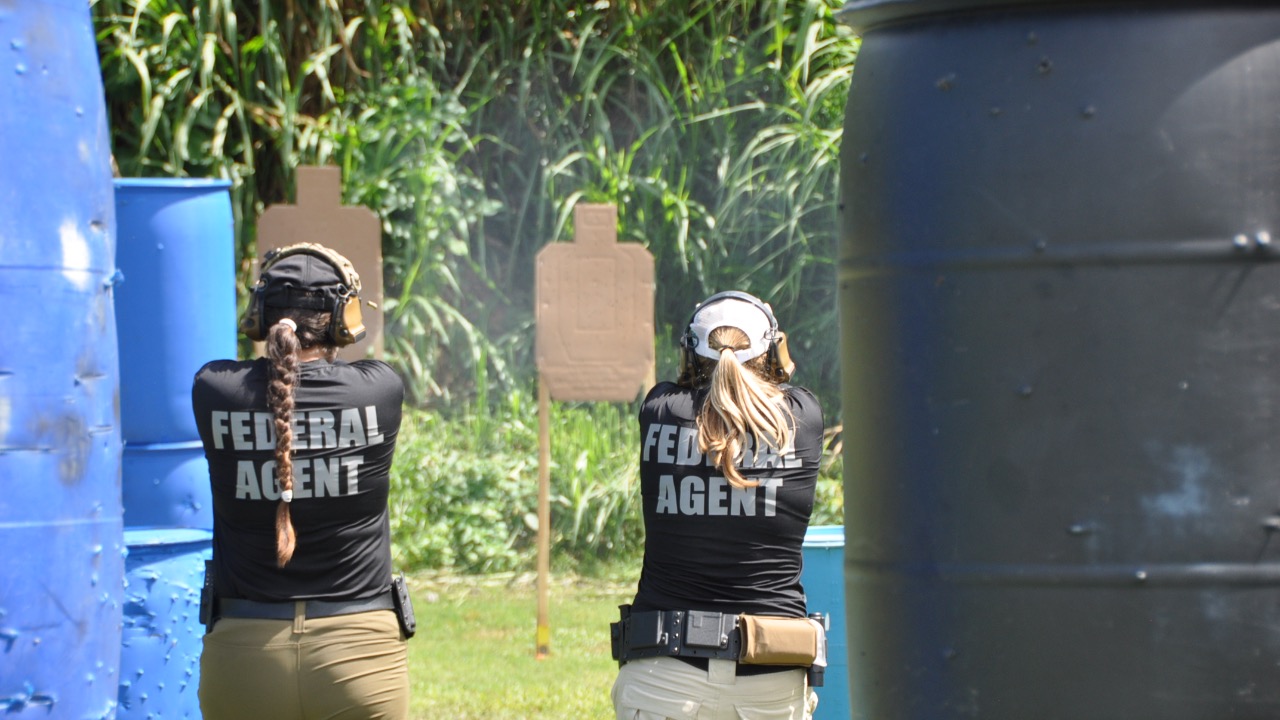
The clearest sign that a class is unsafe is an instructor who treats the four basic safety rules as optional. When any firearm used in demonstration or tactics is pointed at a student, the correct response is to follow the advice to Run Away. Accounts of instructors sweeping students with muzzles or using live firearms as pointers show how quickly complacency can become lethal, especially when combined with poor trigger discipline or unclear commands.
Experienced trainers also warn that teacher-to-student ratios matter for safety. One analysis notes that Teacher-to-student ratios of 30 to 1 might work in a high school classroom, but they are dangerous on a live-fire range if there are not enough instructors or range safety officers to watch every muzzle and every trigger finger. An overcrowded line, chaotic commands and an instructor who seems overwhelmed are not minor inconveniences; they are conditions that have already produced preventable deaths in other classes.
Ego, storytelling and the absence of real teaching
Even when a class is technically safe, an instructor can still be a poor choice if the focus is on their war stories instead of student learning. One guide to vetting trainers flags a specific pattern: Talk More About. If the first ten minutes are filled with tales about how great the instructor once was, how elite their background is, or how everyone else teaches it wrong, students should expect very little structured feedback and a lot of wasted ammunition.
Good shooters are not always good teachers, a point echoed in training commentary that notes There are many excellent shooters who simply do not have the skills to explain what they do or walk students through it step by step. On the flip side, strong instructors can demonstrate drills clearly, break down mechanics in plain language and then watch students closely enough to coach small corrections. When those elements are missing and the class feels like a one-person show, students are right to question whether they are getting what they paid for.
Sloppy structure, missing basics and “freestyle” curricula
Another early warning sign is a course that seems to have no plan. Students describe “worst class” experiences where the day is described as perhaps a bit, then devolves into a random sequence of drills with no clear objective, no standards and no progression from simple to complex. When the instructor cannot articulate what students should be able to do by the end of the day, or changes the plan every few minutes, it becomes difficult to track improvement or even understand why a particular drill is on the schedule.
Professional training organizations point to concrete indicators of this kind of disorganization. One list of Indications of Bad notes that a training calendar that is not up to date can signal a company that is struggling to fill classes or has had repeated problems. Other red flags include instructors who skip essential follow-on practice or shooting clinics and simply send a student off after a Basic Pistol certificate, a pattern summarized as Skipping Follow-Up Practice and Shooting Clinics. Students who see an instructor rush through fundamentals, skip dry-fire or dismiss questions about how to continue practicing are right to see that as a sign of poor structure.
Credentials, competence and the problem of fake expertise
On paper, credentials are not everything, but they do help separate real instructors from people who simply decided to start charging for range time. Commentators who work with new shooters warn that Properly Trained as an instructor leads to predictable problems, including incorrect teaching techniques that compromise safety and proficiency. Some non-certified trainers may be excellent, but when someone has no recognizable instructor training and cannot explain where their methods come from, students are effectively paying to be test subjects.
Students on firearms forums echo this concern and recommend due diligence before money changes hands. One discussion advises prospective students to Choose carefully, make sure to research an instructor and their credentials, and stay far away from dangerous morons who have no idea what they are doing yet still teach classes. Competitive shooters like Ben Stoeger have also discussed how students can spot a fake firearms instructor, with one Dec conversation focusing on the gap between someone who can shoot and someone who can actually coach others safely and effectively.
When bad instruction leads to real-world harm
Bad firearms teaching is not just an annoyance; it has direct consequences for students and bystanders. Attorneys who litigate shooting incidents describe Common Errors Caused by Inadequate Firearm Instruction, including negligent discharges, poor understanding of safety mechanisms or holsters, and mishandling during loading or unloading. These accidents are not random; they follow patterns that trace back to instructors who either skipped key topics or taught them incorrectly.
Safety-focused training resources stress that the first priority in any class is safe handling. One guide states that First andforemost is gun safety, and that a trainer should be hyper-focused on the safest aspects of firearm handling. Another list aimed at instructors warns against 5 Mistakes Firearms Instructors Should Avoid

Leo’s been tracking game and tuning gear since he could stand upright. He’s sharp, driven, and knows how to keep things running when conditions turn.