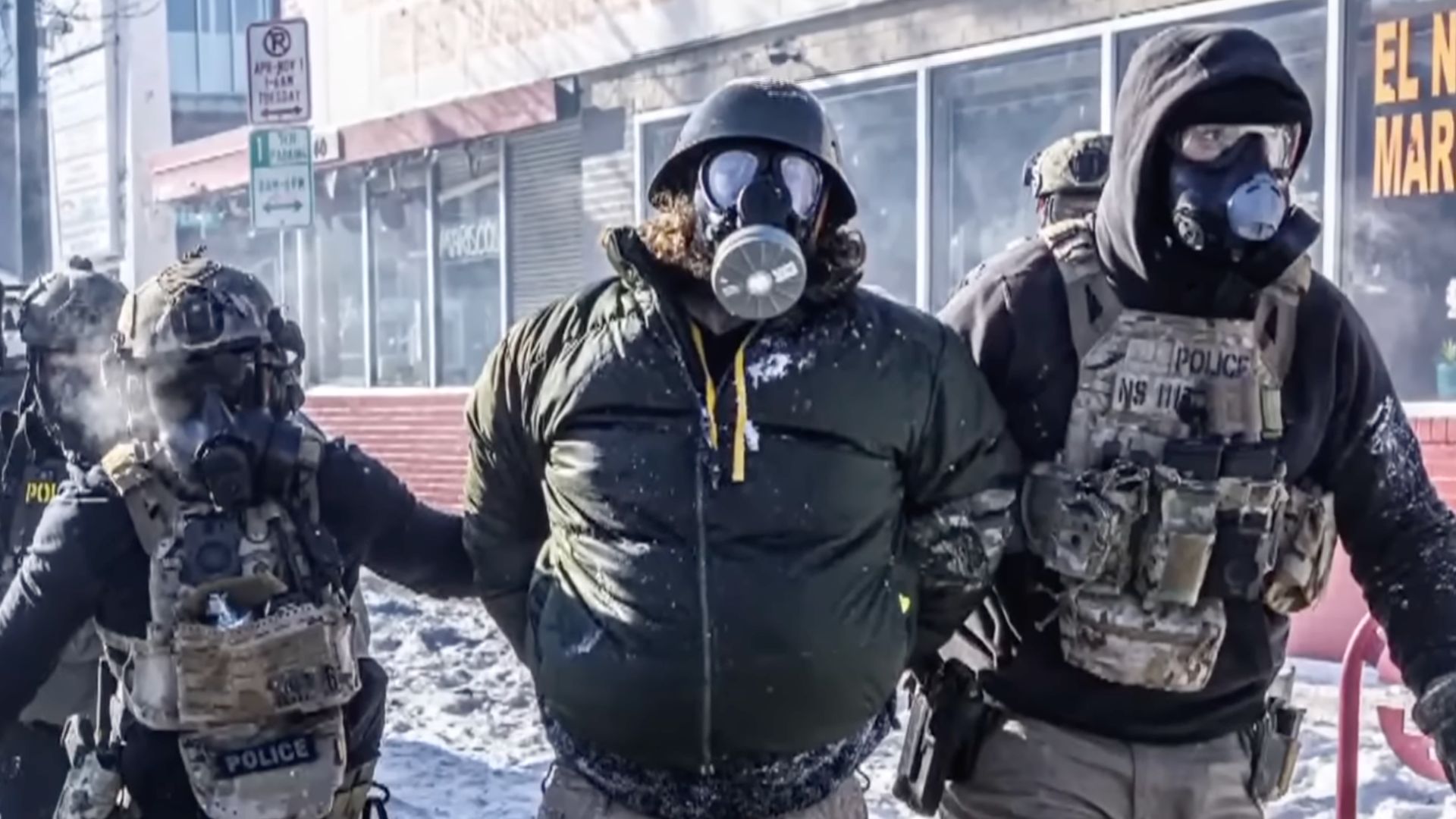
ICE detainee who saved officer during seizure to have charges dropped
In the suburbs of Minneapolis, where immigration enforcement operations have drawn sharp local attention, a story from January unfolded in ways few could have predicted. Two women from Brooklyn Park stepped into an ICE action not as targets but as observers trying to shepherd children home from school. What began as a tense detention shifted dramatically when an agent collapsed in the back of a federal vehicle. Their response, born from basic training rather than drama, changed the outcome for everyone involved. The federal charges they faced for interfering eventually fell away in April, leaving a rare moment of shared vulnerability amid the usual divides.
Brooklyn Park encounter begins
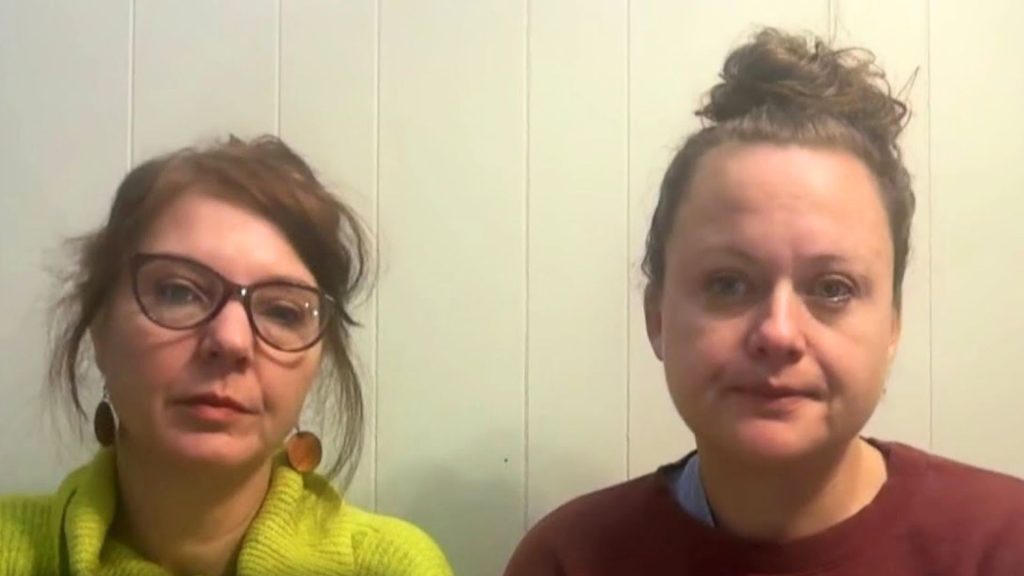
You picture the apartment complex in mid-January, school buses pulling away and kids needing safe paths home. Tippy Amundson and Heather Zemien had parked nearby to lend a hand with the afternoon routine. They noticed an agent crouched behind a trash bin, part of a larger operation. A quick honk from their car drew immediate attention. Agents surrounded the vehicle within moments, ordering them out and placing both women in handcuffs. The pair found themselves loaded into the back seat of a marked federal SUV, headed for processing at the Whipple Federal Building downtown. Tension filled the air, but nothing prepared them for what came next during the short drive.
The situation felt routine to the agents at first, just another stop in a busy enforcement day. Yet the women sat secured, wondering how their attempt to help families had landed them here. Conversations stayed minimal as the vehicle merged into traffic. No one anticipated the medical crisis that would soon test everyone in that confined space.
Crisis strikes inside the vehicle
You sense the shift when the agent riding up front suddenly slumped. Multiple seizures gripped him without warning, his body convulsing in the front passenger area. Tippy Amundson immediately spoke up, directing the other agents to pull over and call 911. She stressed the need for urgent medical help right then. The rest of the team appeared unprepared, lacking clear steps for basic first aid. With the situation escalating, they removed the handcuffs from both women to allow assistance. Emergency responders were en route, but seconds mattered in those close quarters.
The women stayed calm despite their own restraints just moments earlier. Tippy moved quickly based on training she had picked up years ago while teaching. She adjusted the seizing agent into a recovery position, carefully shifting his tactical vest aside to keep him warm and cushion his head. Heather supported the effort, offering steady words to reassure him that help was coming. The other agents watched, stepping back as the women took charge until paramedics arrived on scene.
Training meets the unexpected
You notice how Tippy drew on practical skills she gained in the classroom, not advanced medical certification. Basic first aid had been part of her teaching background, covering seizure response and immediate safety measures. She later expressed surprise that the federal team lacked similar fundamentals, noting how agents hesitated on simple protocols like calling for aid or positioning the patient. The women filled the gap without hesitation, even while still officially in custody. Their actions bought critical time until professional crews took over.
That training proved decisive in the tight confines of the vehicle. No elaborate equipment was available, just quick thinking and steady hands. The agent stabilized enough for transport to medical care. For the women, the episode highlighted gaps in preparation that extended beyond this one incident, though they kept focus on the immediate needs at hand.
Charges follow despite the aid
You follow the group as they resumed the trip to the Whipple Federal Building once the agent received care. Officials processed Tippy Amundson and Heather Zemien anyway, issuing citations for impeding federal officers. The paperwork moved forward even after their assistance, with the women spending roughly an hour in custody before release. They contacted family and secured legal help right away. The charges stemmed from the initial honking and perceived interference with the operation outside the apartment complex.
Federal authorities proceeded with the case in the following weeks, treating it as standard procedure for such encounters. The women maintained they had not intended harm, only to alert neighbors during a visible enforcement action. Their lawyer pushed back on the citations, pointing to the context of the medical emergency and their positive role in it. Yet the paperwork lingered through early spring.
Resolution arrives in federal court
You track the timeline forward to late April, when court records confirmed the charges against both women were dismissed with prejudice. That legal step meant prosecutors chose not to pursue the matter further and could not refile. The decision came quietly through federal filings, without detailed public explanation from officials. For Tippy Amundson and Heather Zemien, it closed a chapter that began with good intentions and veered into crisis and citation.
The outcome reflected a pragmatic close to an unusual sequence. No trial loomed, and the women returned to their lives in Brooklyn Park without ongoing legal burden. Community attention had followed the story in local outlets, but the dismissal allowed things to settle. It stood as a practical resolution in a system that rarely highlights such crossovers between enforcement and everyday response.
Human response cuts through procedure
You reflect on how the women’s quick actions created an opening for compassion amid enforcement protocols. They prioritized the agent’s safety over any resentment from their detention, stepping forward when others faltered. The episode underscored that training from civilian backgrounds can bridge gaps in high-pressure settings. Agents later noted the help, though official statements stayed limited to the case closure.
That mutual reliance lingered in accounts from those present. The women described the moment as unsettling yet straightforward, focused on doing what was needed. It humanized a process often viewed in stark terms, showing how one medical event reframed the dynamic inside the vehicle. Procedures continued afterward, but the immediate aid altered the narrative in lasting ways.
Aftermath lingers for those involved
You consider the weeks that followed for Tippy Amundson and Heather Zemien as they waited on the federal outcome. They shared their account with local media, emphasizing the lack of first-aid readiness they observed. Family and representatives supported them through the process, helping navigate questions from authorities. Life in Brooklyn Park resumed, with the school bus routine continuing as before.
The agent recovered from the seizures, though details on his condition stayed private. The broader operation that day wrapped up without further incident tied to this vehicle. For the women, the experience reinforced their commitment to community support, even in unexpected contexts. The dropped charges brought relief, closing the loop on an event that tested everyone involved.
Lessons from an unlikely shift
You see the broader pattern in how enforcement actions intersect with daily neighborhood life in places like Brooklyn Park. The honking that started it all came from a place of routine care for kids heading home. What followed tested assumptions on all sides about roles and readiness. The women’s response highlighted practical preparedness that transcended the moment’s conflict.
Federal handling ultimately favored dismissal, acknowledging the sequence without fanfare. It left room for reflection on training standards and human elements in these operations. The story circulated locally but faded as other news took precedence. Still, it offered a clear example of how one decision in a vehicle can ripple outward, reshaping charges and perspectives alike.

Asher was raised in the woods and on the water, and it shows. He’s logged more hours behind a rifle and under a heavy pack than most men twice his age.