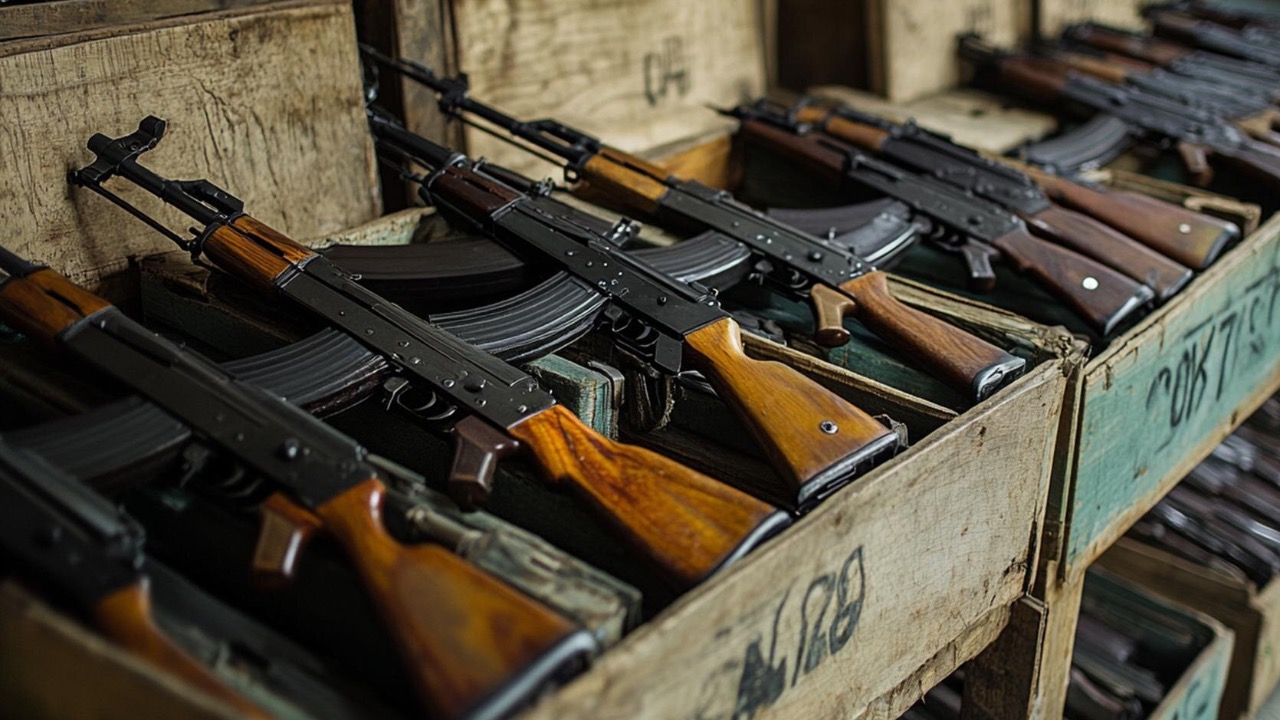
Canada’s sweeping gun control effort faces growing criticism
You’ve watched Canada’s federal government roll out one of the biggest crackdowns on firearms in decades. It started with bans on more than 2,500 models labeled assault-style, followed by a national buyback program meant to get those guns out of circulation. The goal sounded straightforward: cut down on gun violence and make communities safer. Yet as details emerge and the rollout drags on, you start to see why so many people—from gun owners to provincial leaders—are pushing back hard. The program has missed targets, sparked legal fights, and left questions about whether it actually touches the guns driving most crime.
The scale of the federal bans
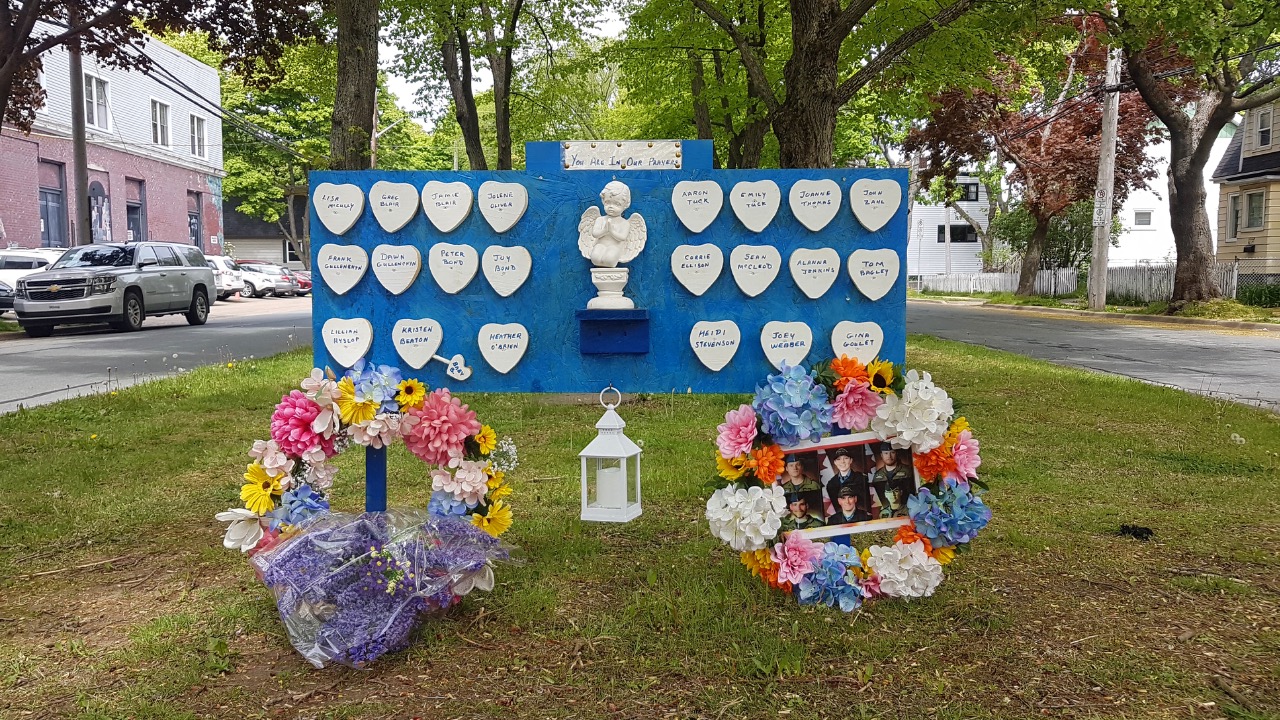
The government moved quickly after the 2020 Nova Scotia shooting, using an order-in-council to prohibit hundreds of semi-automatic rifles and variants at once. Later rounds added even more models, bringing the total well past 2,500. Officials described these as battlefield-style weapons with no place on Canadian streets. Owners received an amnesty period to comply, but many felt blindsided by how broadly the rules swept in common sporting and hunting guns.
What stands out to you is how the bans focused almost entirely on legally purchased firearms held by licensed owners. Meanwhile, data from police shows the vast majority of guns recovered in crimes come from illegal sources, often smuggled across the border. The approach has left some wondering if the effort targets the right problem or simply shifts the burden onto people who already follow every rule.
Why the buyback program keeps falling short
Ottawa budgeted hundreds of millions—potentially heading into the billions—for a compensation scheme to purchase the newly prohibited guns. So far the program has collected around 67,000 firearms, roughly half of what planners hoped. Delays piled up from the start, with slow processing, complicated paperwork, and low turnout from owners wary of handing over property without clear guarantees.
You notice the frustration runs deeper than numbers. Many see the buyback as inefficient at best and wasteful at worst. Even some longtime advocates for stricter controls have called the effort flawed because it does not go far enough or address the illegal market that supplies most crime guns. The result feels like a half-measure that satisfies no one completely.
Provinces drawing a line in the sand
More than half of Canada’s provinces and territories have refused to help enforce the buyback. Alberta, Saskatchewan, Manitoba, and Newfoundland and Labrador lead the resistance, with some passing laws to shield local owners from penalties until fair compensation arrives. Police forces in those areas have been told to stay out of the federal program entirely.
This pushback comes from governments that argue the plan wastes resources and ignores rural realities where firearms serve practical purposes. You see the divide clearly between urban and western perspectives. Ottawa keeps pressing ahead, but the lack of provincial cooperation has slowed everything and turned a national policy into a patchwork that varies sharply by region.
Licensed owners feel targeted
If you talk to hunters, sport shooters, or farmers across the country, you hear the same refrain: they follow strict licensing, safety training, and storage rules, yet the bans treat them as the problem. Many have owned these guns for years without incident and view the sudden prohibition as an attack on a legitimate way of life. Rural communities in particular rely on rifles for pest control, hunting, and protection in remote areas.
The sense of distrust runs high. Owners worry about future rounds of prohibitions that could expand without warning. What bothers people most is the message that law-abiding citizens must surrender property while smugglers and criminals face far less pressure. The conversation has grown louder as more voices from these groups organize and speak out.
Crime numbers tell a different story
Violent gun crime in Canada has risen sharply in recent years, even as the bans took effect. Gang-related homicides and shootings linked to illegal handguns dominate the statistics. Reports show over 90 percent of crime guns in major cities trace back to smuggling, often from the United States, rather than legal Canadian owners.
You look at the data and it raises an obvious point: restricting legal firearms has not slowed the flow of guns used in violence. Critics argue the federal plan misses the bigger challenge of border security and organized crime. Supporters counter that any reduction in available weapons helps over time, but the immediate trends have fueled skepticism about the whole approach.
Internal government doubts surface
A leaked recording captured the public safety minister expressing private frustration with the buyback, questioning its value when most crime involves illegal guns. That moment crystallized what many suspected—second thoughts exist even inside the government pushing the policy. Officials have also acknowledged the program’s slow pace and limited reach in public statements.
These glimpses behind the scenes add fuel to the criticism. You see how they erode public confidence when the very people in charge seem unconvinced. The government continues to defend the overall strategy, yet the audio clip and ongoing delays have become Exhibit A for those calling the effort ineffective and poorly executed.
Legal challenges head to the Supreme Court
Gun rights groups have taken the bans to court, arguing the government overstepped by using cabinet orders instead of full legislation. The Supreme Court of Canada agreed this year to hear a major challenge focused on the scope of executive power and the impact on private property. Lower courts upheld the prohibitions earlier, but the top court’s review could reshape how future rules get made.
For you, this case highlights bigger questions about process and fairness. Thousands of owners invested in legal firearms only to see them reclassified overnight. A ruling against the government could force compensation changes or even roll back parts of the bans, keeping the debate alive for years.
Rural and Indigenous communities bear the weight
Hunters and Indigenous groups have raised consistent concerns that the rules overlook traditional practices and food security in remote areas. Some First Nations leaders noted the lack of early consultation before the initial bans dropped. Farmers and outfitters in the north and west rely on these tools for daily work, and sudden prohibitions disrupt routines built over generations.
The friction feels personal to many. You recognize how policies crafted in Ottawa can clash with life on the land. While the government promises reviews and consultations going forward, the damage to trust has already widened the gap between federal intentions and the people most affected on the ground.
Where the effort stands today
The federal government recently announced another round of prohibitions and a promised review of the entire firearms classification system. At the same time, the buyback continues its slow grind, provinces keep refusing to cooperate, and court cases loom. Public support for gun control remains broad in Canada overall, yet the specific execution of this latest push has drawn sharp, sustained criticism from multiple directions.
You watch it unfold and see a policy caught between ambition and reality. The conversation has shifted from whether action was needed to whether this particular action delivers results. As more data comes in and legal outcomes arrive, the pressure on Ottawa to adjust course or defend its choices will only grow.

Asher was raised in the woods and on the water, and it shows. He’s logged more hours behind a rifle and under a heavy pack than most men twice his age.