Indian gang claims to have 1,000 gunmen ready for attacks in Canada
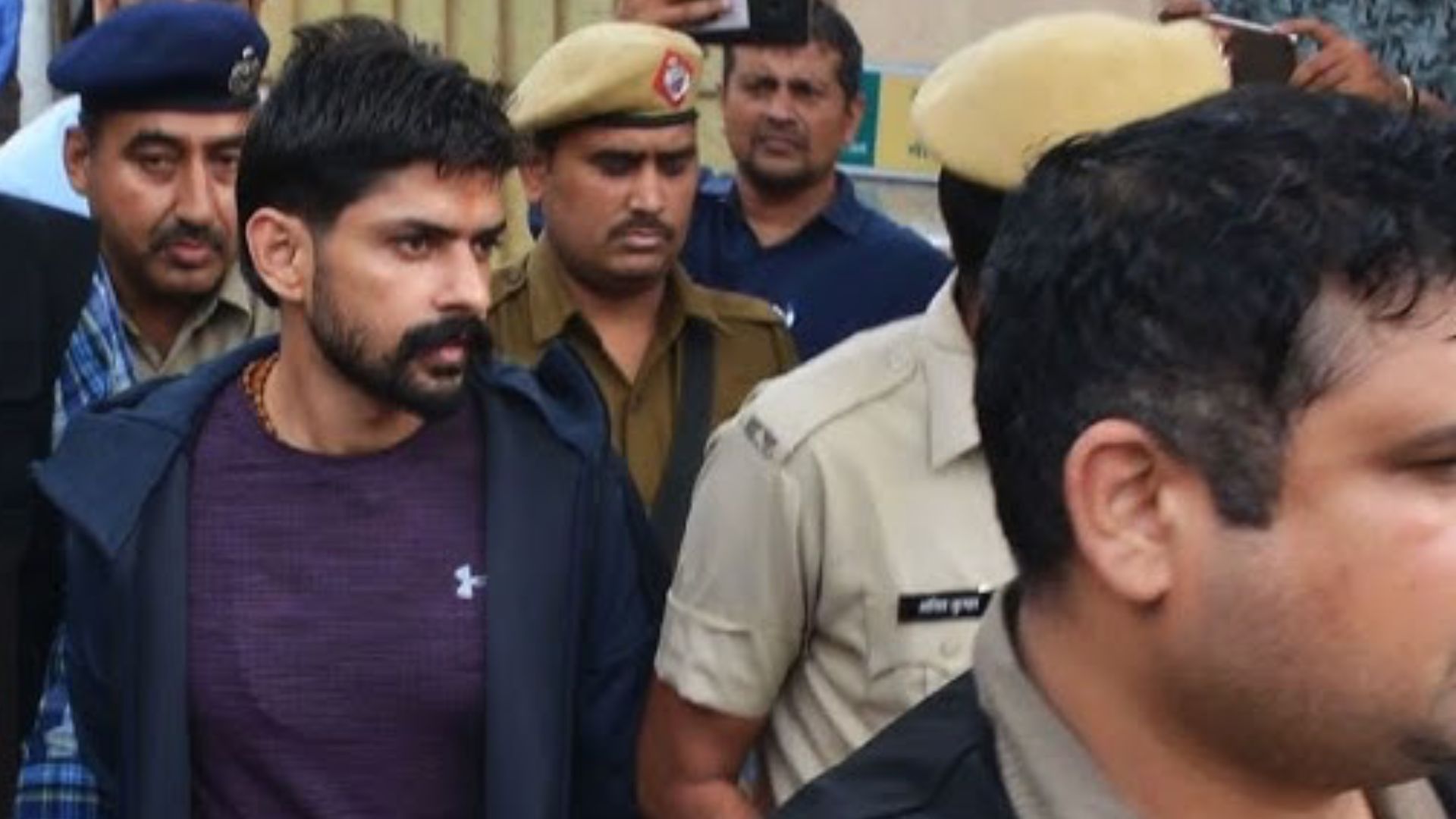
The claim comes from a letter sent by associates of the Lawrence Bishnoi gang to police in Abbotsford, British Columbia. Investigators described it during a recent deportation hearing, noting how the group boasted of having around 1,000 people available to carry out shootings. This fits into a pattern of escalating threats against businesses and individuals in Canadian South Asian communities, where demands for payments have led to violence including gunfire and arson.
Canadian authorities designated the Bishnoi gang as a terrorist entity in 2025, citing its role in creating fear through organized crime. The letter arrived amid growing concerns over transnational networks operating from India while targeting diaspora members here.
Origins of the Bishnoi Network
The gang traces its roots to India, where Lawrence Bishnoi sits in prison yet maintains influence over operations abroad. Police testimony highlighted how the August 2025 letter detailed the group’s structure and its members’ readiness to enforce demands through violence. Recruiters draw in people holding temporary visas or student permits, sometimes approaching them at schools or through social connections.
This setup allows the network to project strength far from its base. In Canada, the focus stays on extortion rackets that pressure business owners to hand over money framed as a form of tax. The claims in the letter underscore an attempt to intimidate law enforcement while expanding control over these activities.
Targeting Communities in Canada
Many incidents involve calls and messages through apps like WhatsApp, often invoking the names of Bishnoi or associates such as Goldy Brar. Targets frequently include owners of restaurants, convenience stores, and other small enterprises run by people from South Asian backgrounds. Some families have reported multiple shootings at their homes, heightening anxiety in neighborhoods across Ontario and British Columbia.
The violence disrupts daily life and forces people to weigh personal safety against continuing their work. Police note that these tactics rely on creating widespread unease rather than isolated events, making entire communities feel vulnerable to sudden attacks.
Police and Government Actions
Officers in Edmonton and elsewhere have used the letter as evidence in proceedings to remove suspected members from the country. Deportations form part of a broader push to dismantle these networks, with over thirty individuals already sent back in recent efforts. The terrorist designation gives authorities more tools to seize assets and restrict activities linked to the group.
Federal officials emphasize the need for stronger international cooperation to address the flow of recruits and funding. Training videos circulating online, showing weapons practice, add urgency to monitoring how these groups build capabilities on Canadian soil.
Ties to Diplomatic Tensions
Reports from the RCMP have pointed to possible connections between the gang and elements within the Indian government, though these remain under investigation. Such allegations complicate relations between Ottawa and New Delhi, especially as Canada deals with concerns over foreign interference in its communities. The Bishnoi operations appear intertwined with political disputes, including those involving pro-Khalistan activism.
This dimension raises questions about how criminal enterprises can serve larger agendas. Canadian leaders continue to stress that protecting residents takes priority regardless of international fallout.
What Lies Ahead for Public Safety
The situation highlights gaps in addressing organized crime that crosses national boundaries. With claims of a large force ready to act, authorities face pressure to prevent further incidents while avoiding panic. Community leaders call for more support to report threats without fear of retaliation.
Longer term, success depends on disrupting recruitment pipelines and improving information sharing with partners overseas. Residents in affected areas stay watchful, balancing normal routines against the persistent risk of targeted violence.

Asher was raised in the woods and on the water, and it shows. He’s logged more hours behind a rifle and under a heavy pack than most men twice his age.