Why some outdoor threats are getting harder to ignore
Trails that once felt empty now back up with traffic at the parking lot. Campgrounds book out months ahead. At the same time, fire seasons stretch longer, wildlife appears in unexpected places, and unfamiliar plants choke shorelines and forests. The outdoor world still offers escape, but the hazards that come with it are becoming harder to ignore.
From crowded trailheads to climate-driven fire behavior, the risks are evolving faster than habits and rules. The result is a new kind of tension in wild and semi-wild places, where the line between refuge and threat grows thinner for both people and wildlife.
When the trailhead looks like a city street
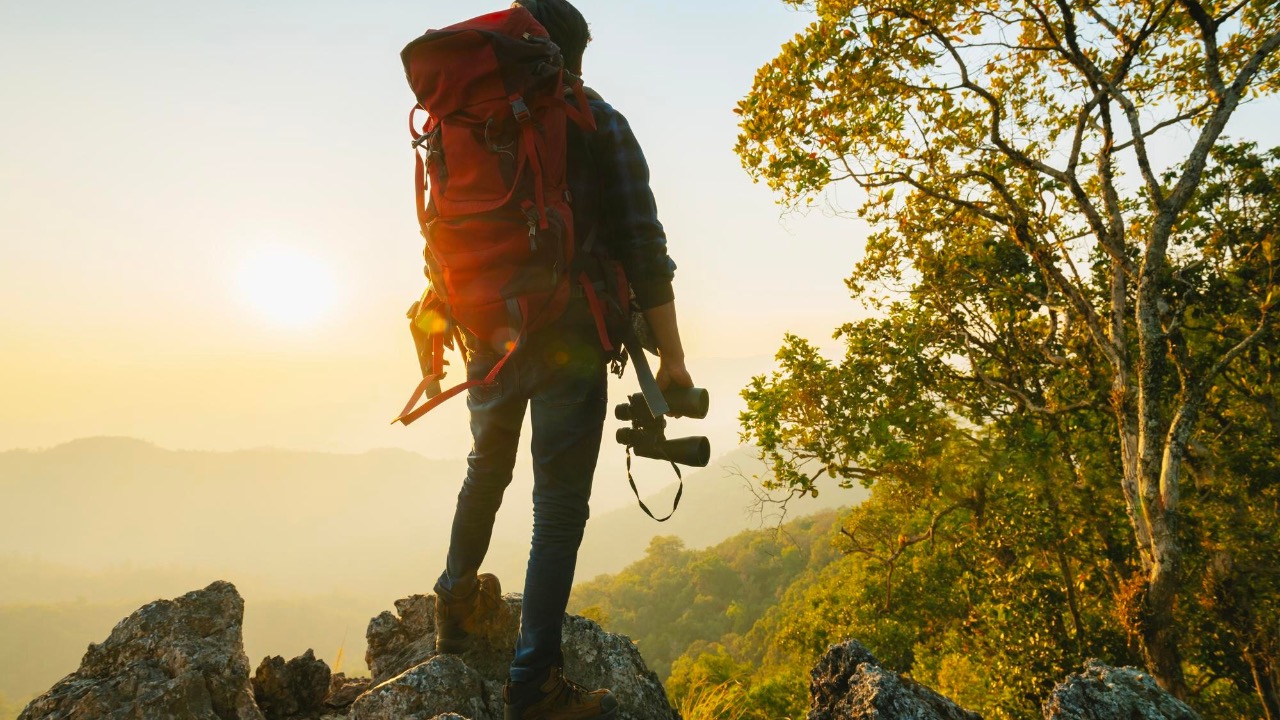
In many Western communities, the surge of hikers, bikers, and runners is no longer a seasonal blip. Near Bozeman, packed trailheads and overflowing parking lots now signal how fully outdoor recreation has saturated nearby public lands. Local biologists have warned that this crush of use is already linked to increased disturbance and habitat degradation around popular routes, a pattern documented in detailed Bozeman trail reporting.
The human boom is not limited to Montana. Earlier in the pandemic, a rush into Montana’s wilderness by new property buyers and urban refugees was chronicled as a kind of second gold rush, with cabins and rural land snapped up by people seeking space and safety. Coverage of that wave described how remote valleys suddenly filled with new construction and traffic, reshaping places that had been quiet for generations, as detailed in both a Montana wilderness rush feature and a separate report on a coronavirus-era property gold rush.
For longtime locals, the pressure shows up in small frictions that add up. Favorite trailheads fill by midmorning. Informal pullouts become illegal parking zones. Noise and off-leash dogs extend deep into what used to be quiet forest. For wildlife, the consequences are more severe, from fragmented habitat to disrupted feeding and breeding routines.
Wildlife is closer, and more stressed, than it looks
Scientists who study animal behavior around recreation areas say the visible encounters are only part of the story. Research on human presence in wild landscapes has found that many species respond to people at distances that surprise casual hikers. One synthesis of field work described how birds abandoned nests and mammals shifted their movements when humans passed within hundreds of meters, even if the animals were never seen. That work also highlighted how In Istanbul, dolphins ventured closer to shore, penguins wandered South African streets, and Nubian ibex grazed in urban spaces when lockdowns briefly pushed people indoors.
Those scenes looked charming on social media, yet they also revealed how quickly wildlife changes behavior when human pressure drops. On busy trails, the opposite is happening. Animals are pushed into steeper, less productive terrain or forced to move at night, which can reduce feeding time and increase stress. A separate analysis from Colorado State University described how development fragments wild habitat and how the presence of hikers can disturb wildlife up to half a mile away, undermining the value of movement corridors that are supposed to connect protected areas, as shown in a study of disturbance.
Some outdoor enthusiasts admit they feel uneasy about these encounters, even when the risk of attack is low. In one discussion among hikers, a poster described being afraid of wildlife even though none of the animals had ever attacked them or anyone they knew. They added that although sightings increased during drought in Southern California, they were told they would start to see them less as conditions changed, as recounted in a Southern California thread.
Fire seasons that no longer stay in their lane
Firefighters and researchers now describe wildfire behavior that does not fit old regional stereotypes. A recent explainer on fire dynamics stressed that wildfires are no longer limited to traditionally hot places like Australia or California. The piece tied the shift to climate change, drought, and expanding development, and asked why wildfires are becoming harder to fight, in a short video Part that framed the issue.
Longer dry spells and higher temperatures dry out fuels in regions that once expected only brief fire windows. At the same time, more homes and roads are built in the wildland-urban interface, which means more ignition sources and higher stakes for every blaze. When flames move toward subdivisions, crews must prioritize structure protection, which leaves less capacity to manage fire in remote forests where low-intensity burns could reduce future risk.
This new fire reality feeds back into how people use the outdoors. Smoke can blanket trail systems for weeks. Popular backcountry routes are closed repeatedly, sometimes in consecutive years. Visitors who grew up thinking of wildfire as a distant Western problem now confront evacuation orders in places that rarely made national fire maps before.
Invasive species hitchhike on recreation
Along rivers and bays, another slow-moving threat is taking advantage of human movement. Many invasive species thrive in their new habitats because they lack the natural predators and diseases that may threaten them in their native range. As a result, they are able reproduce and thrive, often outcompeting native plants and animals, according to a detailed explanation of Many aquatic invaders.
Boats, kayaks, fishing gear, and even waders move between lakes and rivers, sometimes in a single weekend. Without rigorous cleaning and drying, they can carry larvae, seeds, and small organisms into new waters. Once established, invaders such as hydrilla or zebra mussels can clog intakes, alter water chemistry, and smother native vegetation. The same networks that make it easy to plan a multi-state paddling trip also accelerate the spread of these species across entire watersheds.
Regional programs have responded with inspection stations, public awareness campaigns, and regulations on ballast water and bait. Yet enforcement is inconsistent, and many boaters still see decontamination as an optional extra rather than a basic responsibility. Social media posts that celebrate remote, little-known launch spots can unintentionally direct more traffic, and therefore more potential vectors, into vulnerable habitats.
Public lands under political and economic pressure
Behind the visible crowds and ecological shifts lies a quieter legal and financial battle over who controls the land itself. One widely shared explainer on public lands policy described how some states have sold more than half of their state lands that were granted from the federal government at their time of statehood. The video argued that this history should inform current debates over state versus federal control and called the trend a threat to national outdoor heritage, as laid out in a public lands overview.
As budgets tighten, the temptation to monetize land through sales, leases, or intensive development grows stronger. That can mean more roads and drilling pads, but also more recreation infrastructure pitched as economic development. Without careful planning, new trail networks and campgrounds can compound the very crowding and habitat fragmentation that already strain popular areas.
At the same time, agencies tasked with managing these landscapes often face hiring freezes and shrinking maintenance funds. Rangers who might once have had time for education and enforcement now spend much of their day on basic cleanup and emergency response. The gap between visitor expectations and on-the-ground capacity widens, and small conflicts over dogs, drones, and dispersed camping can escalate quickly.
Human risk is rising alongside environmental stress
For individuals heading outside, the hazards are not only ecological. Safety experts point to a pattern of behavior that turns manageable situations into emergencies. A widely circulated survival guide listed 11 Common Survival Mistakes That Can Get You Killed and put Going Alone near the top. The author framed it bluntly: maybe no one was free on the afternoon a person wanted to hike or scout, yet that choice to go solo without telling anyone is a common factor in search and rescue cases, as described in an Aug safety piece.

Asher was raised in the woods and on the water, and it shows. He’s logged more hours behind a rifle and under a heavy pack than most men twice his age.