Invasive species spreading faster than expected across U.S. woodlands
Invasive species are one of the toughest challenges facing U.S. woodlands today. These non‑native plants, insects, and pathogens move into forests where native trees and undergrowth haven’t evolved defenses against them. Once established, they rapidly outcompete local species, alter soil chemistry, change wildfire behavior, and disrupt wildlife habitat. What’s worse is that people — unintentionally and intentionally — have helped move these organisms around for decades.
You’ve probably heard of the emerald ash borer or gypsy moth, but there are threats moving under the radar that are quietly expanding their grip on woodlands from the Southeast to the Northeast and all the way out to the Midwest. The more you look into forest health reports, the more you realize how many fronts this problem is unfolding on.
Chinese Privet
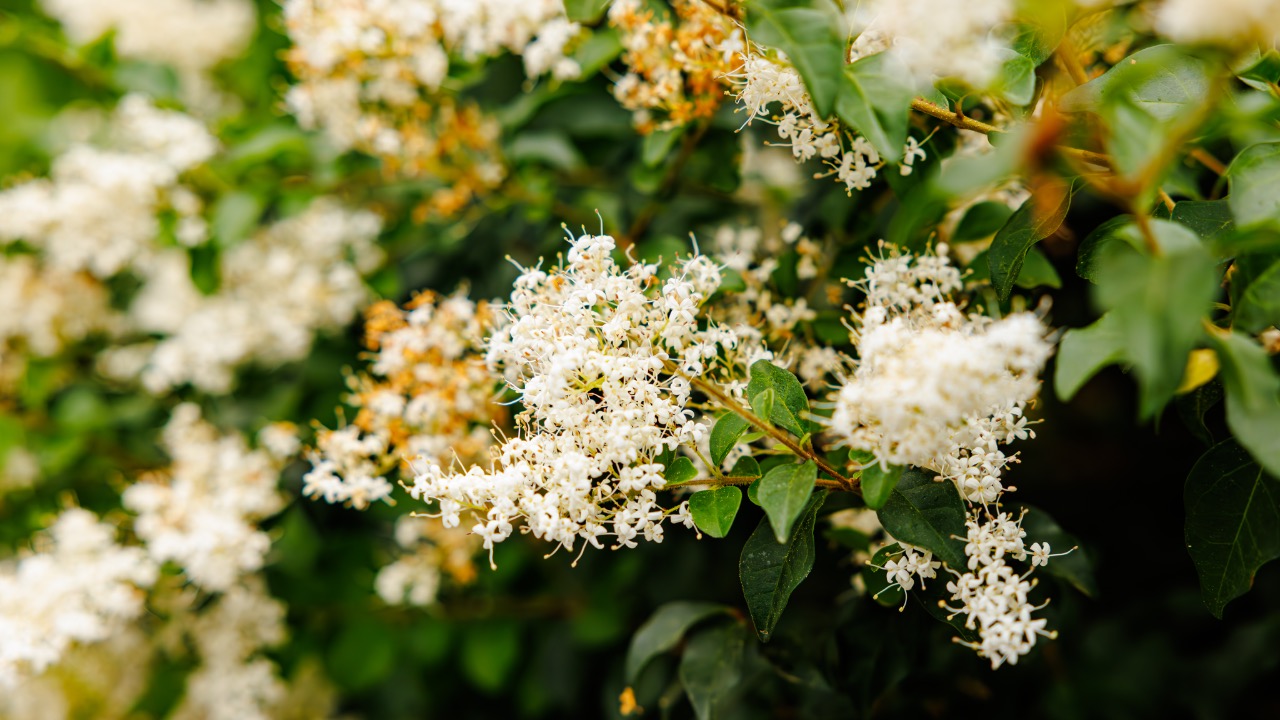
Chinese privet was introduced as a garden hedge in the 1800s, but it has since escaped cultivation and become a serious woodland invader, especially across the southeastern U.S. It forms dense thickets that cling to forest edges, crowding out native shrubs and young trees. As it spreads, the structural diversity of the understory declines, which can cascade through the ecosystem.
Unlike some invasives that take decades to dominate, privet tends to move fast once established. Mature plants produce masses of seeds that birds and mammals distribute, and the seedlings sprout in a wide range of light conditions. That means forests that once had room for oaks, hickories, and native understory plants now find their floor dominated by one species with little value to native wildlife.
Alder Buckthorn
Alder buckthorn originally entered North America in the 19th Century as a hedgerow plant, but it’s now established in the Northeast and the Midwest. It thrives in moist woods and forest edges, tolerating a variety of soil types and light levels.
Once buckthorn takes hold, it casts deep shade and releases chemicals that suppress native plant growth. That lets it form near‑monocultures in places that used to support diverse native shrubs, wildflowers, and tree seedlings. Because it fruits prolifically and seeds spread by birds, controlling it is tough. Many landowners and forest managers now spend years cutting, spraying, and monitoring regrowth rather than letting woodlands recover naturally.
Laurel Wilt (Spread by Ambrosia Beetle)
Laurel wilt disease is caused by a fungus transmitted by the redbay ambrosia beetle, which arrived from Asia. It’s moving through woodlands in the Southeast and killing trees in the laurel family like redbay, sassafras, and spicebush.
Once infected, trees typically wilt and die quickly, leaving gaps in the canopy. That opens the door for other invasive plants like privet and honeysuckle to move in. What makes this pathogen especially worrying is that it often spreads ahead of detection, carried long distances by beetles or on firewood. Forests that once supported a mix of hardwoods now show stark skeletons of dead laurel trees in patches stretching for miles.
Spotted Lanternfly
Since its arrival in 2014, the spotted lanternfly has spread through parts of the Mid‑Atlantic, feeding on sap from a wide range of plants, including hardwood trees found in woodlands. Recent monitoring shows nymph populations emerging earlier and expanding their range.
While this insect is often talked about in agricultural circles, its impact on woodlands shouldn’t be ignored. It can weaken trees over time, leaving them less able to resist other stressors like drought or disease. Its rapid hop‑and‑crawl movement, combined with egg masses transported on vehicles, firewood, and outdoor gear, makes it a fast‑moving threat forest managers struggle to contain.
Cheatgrass
Cheatgrass is an invasive annual grass that has spread widely in parts of the West. Once established, it changes fire behavior, drying out and becoming fuel that ignites easily. After a fire sweeps through, cheatgrass often returns faster than native species, creating a feedback loop of more frequent burns.
While cheatgrass is often associated with rangelands, its spread into ponderosa pine and pinyon‑juniper woodlands is increasing fire risk in what were once more resilient forests. Every wildfire leaves behind breaks in the native plant layer, and every new patch of cheatgrass turns a smaller fire into something much more expansive.
Japanese Knotweed
Japanese knotweed is a clumping perennial that creeps along streambanks, forest edges, and trailsides. Its hollow stems can crack pavement, and its dense stands block light, choking out native vegetation.
In woodlands, knotweed often moves in where the forest has been disturbed — after logging, floods, or trail building — and it doesn’t take long before native wildflowers and tree seedlings struggle to grow. Control efforts involve repeated cutting and herbicide applications over multiple seasons, and the roots can survive deep in the soil, sprouting back long after the aboveground plants are gone.
Emerald Ash Borer
The emerald ash borer has killed hundreds of millions of ash trees since arriving here, and its impacts continue. This beetle invades forests and lays eggs under bark; larvae tunnel through the vascular system, eventually girdling and killing the tree.
What makes this insect a standout invader is its sheer scale. Infestations cover much of the Eastern and Midwestern U.S., and trees die within a few years of infection. That reduces canopy cover, disrupts wildlife habitat, and leaves room for opportunistic invasive plants to take root. It’s one of the most damaging forest invasions in North American history.

Asher was raised in the woods and on the water, and it shows. He’s logged more hours behind a rifle and under a heavy pack than most men twice his age.