The Mistake That Costs Anglers Fish All Day
Every angler knows the feeling: perfect weather, promising water, and yet the rod stays stubbornly still. The difference between a banner day and a blank one often comes down to a single bad habit that quietly sabotages every cast. The mistake that costs anglers fish all day is not a knot, a lure, or even a cast, it is the decision to keep fishing “dead” water instead of systematically finding where fish are actually feeding.
Once that core error takes hold, it drags a whole chain of smaller mistakes behind it, from clinging to one “lucky” spot to ignoring conditions and rushing through presentations. I see it across freshwater and saltwater, from beginners to veterans: anglers work hard, but they work in the wrong 90 percent of the water, then blame their gear, the moon phase, or their luck.
The real mistake: fishing empty water all day
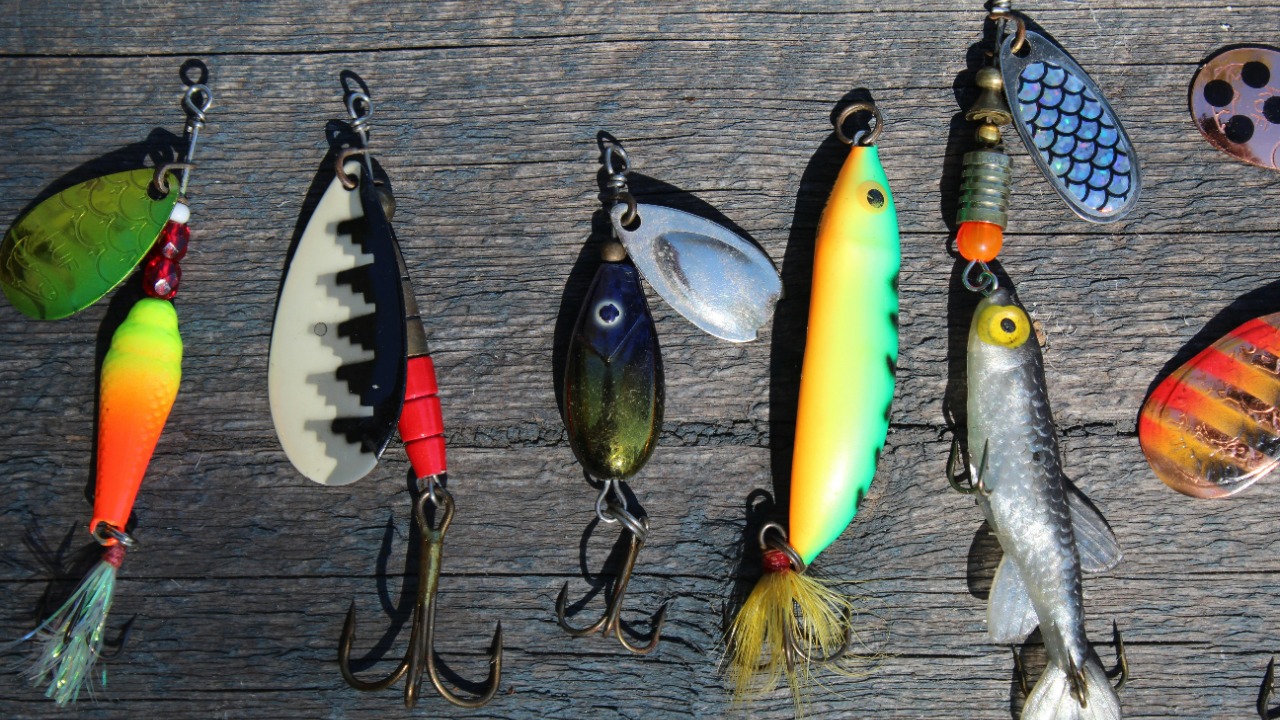
The most costly pattern I see on the water is anglers committing to a location instead of committing to finding fish. They launch, run to a familiar shoreline or reef, and then grind away for hours even as their rods stay quiet. The problem is not effort, it is allocation. If fish are concentrated in a small slice of habitat, spending the day in the wrong area guarantees a slow trip no matter how sharp your knots or how expensive your rod.
Saltwater coaches often describe this with a simple ratio: at any given time, roughly 90% of the feeding fish hold in about 10 percent of the water. That principle shows up in inshore redfish strategies and in how guides hop between spots until they see life. When I watch anglers ignore that math and sit on a barren flat or channel, I know they are making the one mistake that will quietly erase their chances from sunrise to the ride back to the ramp.
“Lucky Spot Syndrome” and the comfort of staying put
Freshwater anglers fall into a similar trap, often described as “Lucky Spot Syndrome,” where they keep returning to the same dock, point, or laydown because it produced once. Instead of reading the day’s conditions, they cling to the memory of a past bite and wait for history to repeat itself. That habit turns into hours of casting over inactive fish, or no fish at all, while more productive water sits untouched a short run away.
Analysts who track bass behavior point out that this “sticking to the same spot” mindset is one of the core mistakes that cost you more, especially when anglers ignore upcoming weather and water conditions that push fish to new structure or depths. When I talk to frustrated bass anglers at the ramp, they often describe camping on a single cove or brush pile all morning, even as wind direction, light level, and baitfish movement all screamed for a move. The comfort of a “lucky” waypoint quietly replaces the discipline of hunting.
Preparation: the quiet edge most anglers skip
Underneath the decision to sit on dead water is a deeper issue, which is lack of preparation before the first cast. Anglers who do not check tides, wind, water clarity, or seasonal patterns are essentially guessing where fish might be. That guesswork leads them to default spots, then keeps them there because they have no alternative plan. In contrast, a little pre-trip homework on maps, weather apps, and seasonal movements gives you a short list of high percentage areas to rotate through until you find life.
Experienced educators stress that “Being unprepared” is one of the Big Mistakes That, right down to having the wrong lures buried at the bottom of your tackle bag when conditions change. Other coaches frame it more broadly, arguing that a little bit of prep work is what separates consistently successful anglers from those who just get lucky once in a while, whether that is tying leaders the night before or organizing a small set of confidence baits in easy reach, as detailed in common fishing mistakes guides. When I see someone rummaging through a chaotic tackle box while the tide is peaking, I know they are losing the most valuable minutes of the day.
Gear and technique: when “wrong” means wasted effort
Even when anglers move around, they often handicap themselves by pairing the wrong gear with the water they are fishing. In saltwater, that might mean using light freshwater hooks on powerful inshore species, or throwing tiny baits on heavy leaders in ultra clear flats. In freshwater, it might be dragging a deep diving crankbait across a shallow grass flat or flipping heavy jigs on line that is too light to pull fish out of cover. The result is the same: missed bites, broken fish, and a creeping sense that “they just are not biting today.”
Saltwater coaches list “Common Mistake: Using the Wrong Gear” as one of the most frequent errors that keeps new anglers from connecting, especially when they target species that feed heavily at night like snook and tarpon, which often require specific tackle and timing, as detailed in Saltwater Fishing Mistakes breakdowns. On the freshwater side, tackle educators warn that even when anglers own the right lures, they often fish them incorrectly, such as working a jig too fast in cold water or burning a spinnerbait through muddy current where a slower, thumping retrieve would shine, patterns that show up repeatedly in lists of common errors. When I watch someone “high stick” a fish and snap their rod at the boat, I know the issue is not the spot, it is technique layered on top of poor gear choices.
Patience, impatience, and the myth of constant change
Ironically, the same anglers who sit on one dead spot all day often show the opposite behavior with their lures, changing baits every few casts in a kind of restless panic. That habit is usually rooted in a misunderstanding of patience. They are patient with the wrong thing, the location, and impatient with the right thing, the presentation. True fishing patience means giving a good area enough time with a smart, methodical approach, not endlessly cycling through colors and profiles while ignoring the bigger picture of where fish are holding.
In one widely shared Comments Section on beginner mistakes, anglers singled out “Lack of patience” as a core problem, describing how switching baits every ten minutes or changing spots constantly can keep you from ever really learning what works. Video educators echo that point, with hosts like Alli Deandria on the Take Me Fishing channel walking through three of the most common errors that derail new anglers, including rushing through retrieves and failing to let a lure work in the strike zone. When I slow down my own cadence and commit to a thoughtful sequence of casts around a piece of structure, my catch rate almost always climbs, even if I never change the bait tied on.
Reading signs and knowing when to leave
The anglers who consistently avoid the all-day skunk are not necessarily better casters, they are better observers. They scan for bait flickering on the surface, birds dipping low, current seams, and subtle changes in water color. When those signs are missing, they do not wait for magic, they move. That willingness to leave a dead zone, even after a long run or a tough wade, is what keeps them intersecting with active fish instead of hoping that inactive fish suddenly wake up under their boat.
Coaches who work with inshore anglers along the Gulf Coast describe how “Most LA” inshore anglers make the same five costly mistakes, including staying too long in unproductive areas instead of rotating through spots with better current, bait, and structure, a pattern highlighted in breakdowns of costly mistakes. Offshore and freshwater guides echo the same principle, urging anglers to give a promising area a defined window, often 15 to 30 minutes, then move if they see no bait, no follows, and no strikes. When I adopt that rule on my own trips, I find myself touching more high percentage water in a day, which naturally raises the odds that I intersect a feeding window somewhere.
How pros structure a day to avoid the all-day skunk
When I ride along with experienced guides, the biggest difference is not secret lures, it is structure. They start with a clear plan built around tides, wind, and seasonal movements, then they work through that plan with discipline. If the first flat or point does not show life, they do not take it personally or double down out of stubbornness. They check their list, make a short run, and reset. Over the course of a morning, they might fish six or eight distinct spots, but each one is chosen for a specific reason tied to current, bait, or cover.
Instructional videos that break down the “3 Biggest Mistakes Anglers Make” emphasize this structured approach, with hosts on channels like Take Me Fishing explaining how planning, spot selection, and adaptation matter more than any single lure. Other coaches teaching the 90/10 principle for redfish show how they use that ratio to decide which 10 percent of the water to focus on, then move quickly when a flat or shoreline fails to show bait or wakes, as detailed in breakdowns of the 90% rule. When I borrow that mindset, I treat each spot as a test rather than a destination, which keeps me from falling into the trap of grinding away in the wrong place all day.

Leo’s been tracking game and tuning gear since he could stand upright. He’s sharp, driven, and knows how to keep things running when conditions turn.