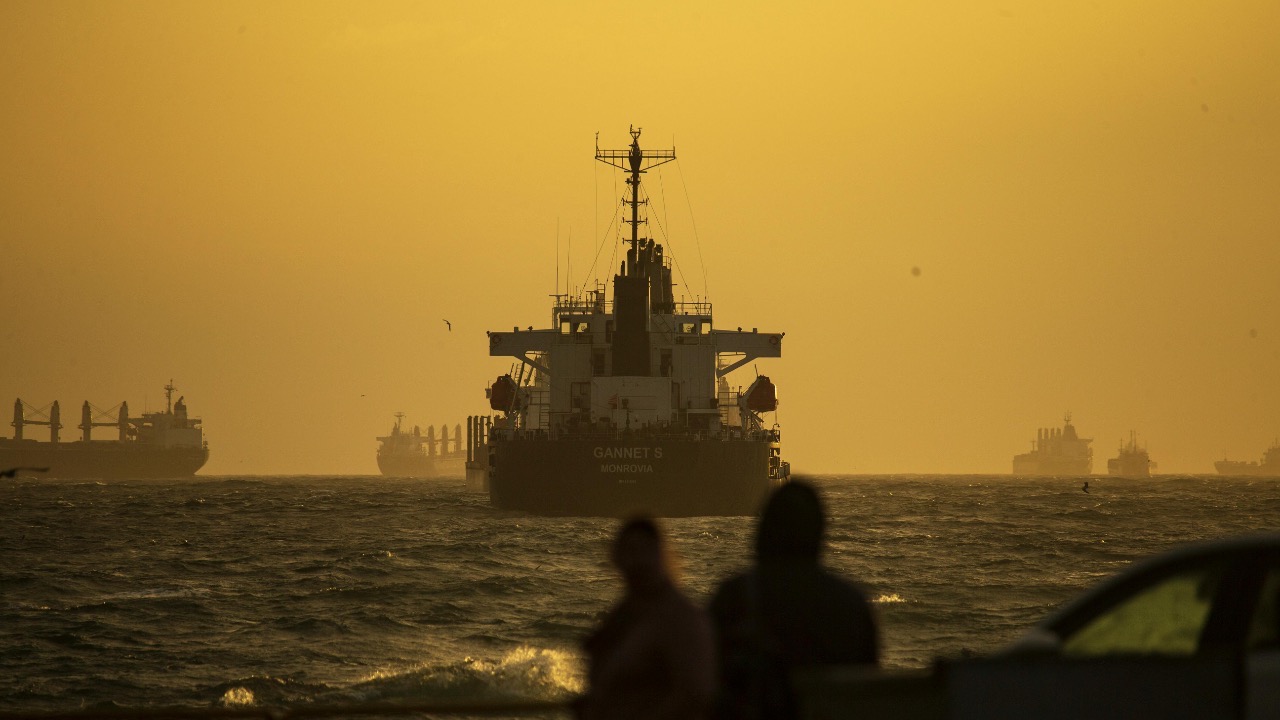
China Defies Trump’s Blockade Orders, Warning Against Interference in Its Affairs
Tensions between China and the United States are flaring again after reports and political commentary suggested tougher measures targeting Chinese trade and maritime movement. The situation is being discussed heavily in political circles, even as details remain unclear and debated.
China has pushed back strongly against any suggestion of outside control over its shipping routes or economic activity. Officials say interference in its internal affairs or trade access crosses a line and could trigger wider consequences if pressure continues.
Background of tensions
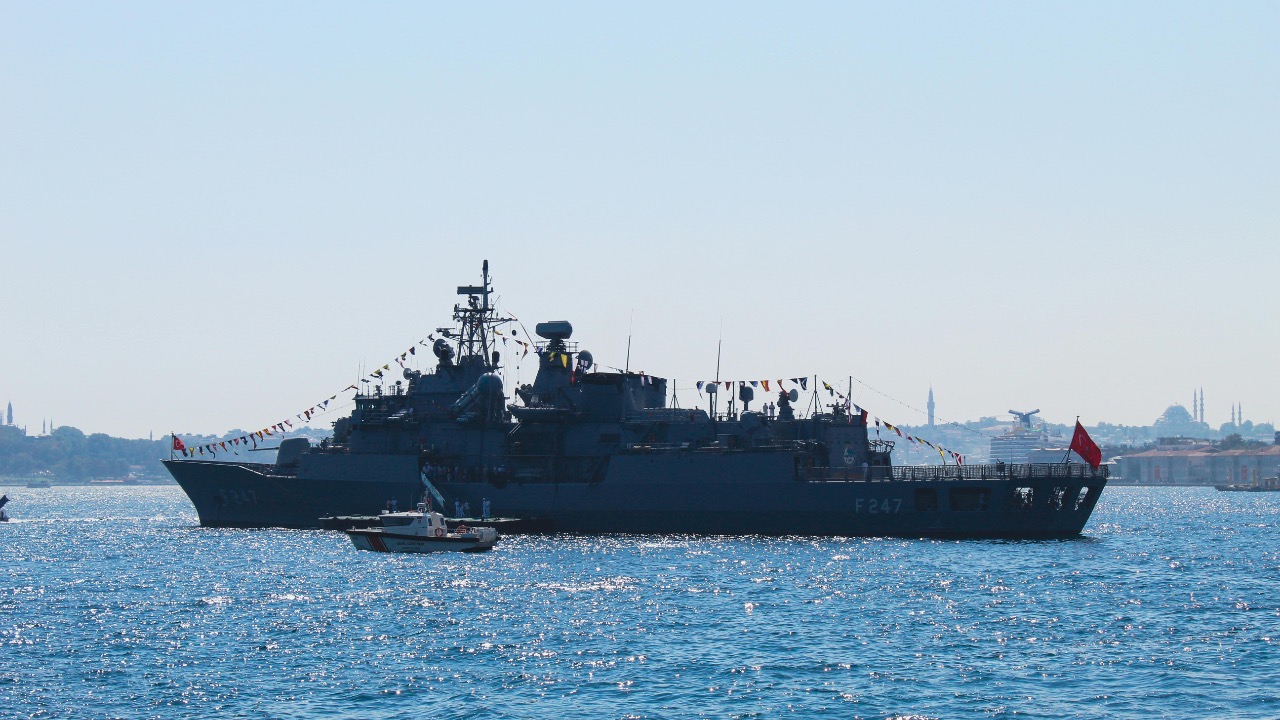
Tensions between China and the United States have continued to rise over trade routes, technology limits, and military positioning in key regions. Recent reporting has focused on new pressure tactics tied to shipping lanes and restrictions.
In response, discussions around blockade-style policies have sparked concern in international markets. Officials on both sides frame the situation differently, adding confusion to what is actually policy versus rhetoric.
China response
Chinese officials pushed back strongly, saying outside interference in its trade and maritime activity is unacceptable. They argue that access to international waters should not be restricted by political pressure.
Beijing has also warned that continued pressure could lead to broader economic retaliation. Statements emphasize protecting sovereignty while keeping shipping routes open for global commerce.
U.S. policy claims and debate
Reports and political commentary have pointed to hardline proposals linked to former U.S. President Donald Trump’s approach toward China. These ideas often center on stronger control over trade routes and strategic access points.
Supporters say such measures are meant to protect national interests, while critics warn they could escalate tensions and disrupt global supply chains if implemented in practice.
Global impact and uncertainty
Markets and allied nations are watching closely, since any disruption in major shipping lanes would affect energy, manufacturing, and food supply chains across multiple regions.
For now, the situation remains more political than operational, but even the discussion of restrictions adds pressure to already fragile international relations.

Leo’s been tracking game and tuning gear since he could stand upright. He’s sharp, driven, and knows how to keep things running when conditions turn.